In a decisive pivot toward strategic diversification, the European Union formally approved a sweeping trade agreement with the Mercosur bloc on Friday, January 9, 2026. The deal, which has been in negotiation for over a quarter-century, will establish one of the world’s largest free-trade areas, connecting the 27-nation EU with Argentina, Brazil, Paraguay, and Uruguay.
The agreement passed via a qualified majority vote in the European Council, overcoming a high-stakes diplomatic standoff led by France. The resulting trade zone will encompass more than 715 million people and a combined GDP of approximately €2.2 trillion, positioning the two blocs as a unified economic counterweight to rising global protectionism.
Strategic Rationale: The “Trump-Proofing” Strategy
The timing of the approval is widely viewed as a direct response to the escalating trade tensions and tariffs imposed by the second Trump administration. By securing access to South American markets, Brussels aims to reduce its economic reliance on both the United States and China.
- Tariff Elimination: The pact will remove duties on 91% of EU exports to Mercosur, including high-tariff sectors like automobiles (currently 35%), machinery, and chemicals.
- Cost Savings: European businesses are projected to save over €4 billion annually in export duties, with EU exports to the region expected to grow by nearly €50 billion by 2040.
- Raw Materials: The deal provides the EU with predictable, duty-free access to critical raw materials, such as lithium, which are indispensable for Europe’s green energy and digital transitions.
The “Italian Pivot” and Agricultural Safeguards
The deal’s passage was made possible by a significant shift from Italy, which had previously blocked the agreement in late 2024. To secure Rome’s support, the European Commission introduced a series of robust “sweeteners” designed to protect the European agricultural sector.
| Feature | New Protection Measures |
| Market Trigger | An automatic investigation into market distortion will now be triggered if imports rise or prices fall by just 5% (down from the initial 8%). |
| Crisis Fund | A €6.3 billion emergency fund has been established to compensate EU farmers for any losses incurred due to the deal. |
| Subsidy Access | Farmers will receive early access to roughly €45 billion in subsidies from the 2028-2034 EU budget. |
| Geographical Indications | The deal protects 357 traditional EU food products (e.g., Champagne, Parmigiano Reggiano) from South American imitations. |
Dissent in the Ranks
Despite the safeguards, the vote revealed deep fissures within the EU. Five member states—France, Ireland, Poland, Hungary, and Austria—voted against the pact, while Belgium abstained.
Critics, led by French President Emmanuel Macron, argue that the deal represents an “assault” on European farming standards, asserting that South American producers are not held to the same environmental or sanitary requirements. Environmental groups have also raised alarms, claiming the pact lacks enforceable measures to prevent further deforestation in the Amazon.
Next Steps: The Road to Asunción
With the Council’s mandate secured, European Commission President Ursula von der Leyen is scheduled to travel to Paraguay on January 17, 2026, for a formal signing ceremony.
However, one final hurdle remains: the European Parliament must ratify the deal in a vote expected later this month in Strasbourg. Farm lobby groups have already vowed to shift their pressure to MEPs in a final attempt to delay or block the implementation of the historic accord.
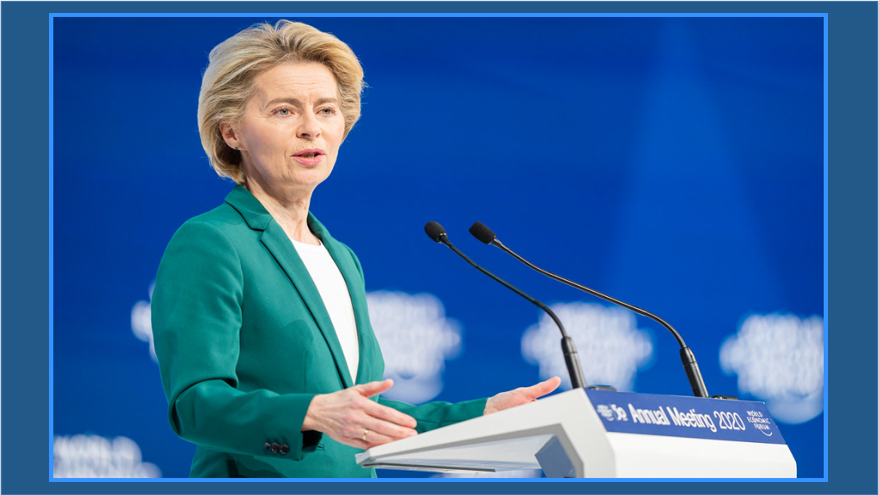
European-Commission-President-Ursula-von-der-Leyen-Flickr-Picture-by-WEF