On January 19, a court in Makhachkala, the capital city of Russia’s Dagestan region, sentenced women’s rights defender and journalist Svetlana Anokhina to five years in prison for allegedly spreading “fake news” about the Russian armed forces.
The sentence was handed down in absentia: Anokhina left Russia in 2021 after a shelter her organization Marem ran for abused women and girls in Makhachkala was ransacked by Chechen and Dagestani police. The charges against Anokhina stemmed from two posts about Russian war crimes that she published on Instagram in 2022, just weeks into Russia’s full-scale invasion of Ukraine.
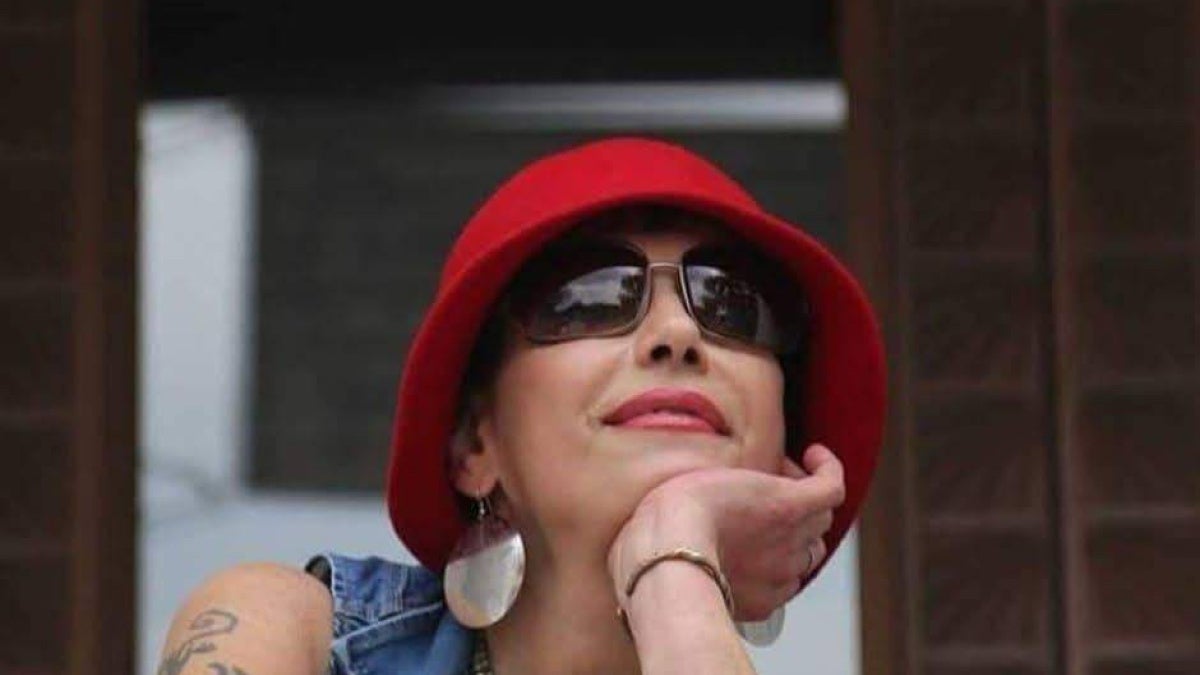
For many years, Anokhina was one of my key contacts in Dagestan, a turbulent region in southern Russia infamous for blatant and systematic human abuses by law enforcement and security agencies. A slight woman with her nonconformist clothes and clunky jewelry, she has no patience for religious or traditional biases. She devoted her life to supporting abused women and girls and stood up for their freedom to make their own choices: about what to wear, whom to love, and how to live their lives.
When Anokhina left Russia, she viewed her departure as a temporary breather after the abusive raid on Marem. However, about six months later, Russian forces invaded Ukraine, and she—an outspoken critic of the war—could no longer return to her home country. The criminal proceedings against her, which resulted in this draconian prison sentence, were launched in 2023, leaving her with no option but long-term exile.
Even from abroad, nevertheless, Anokhina continued her work: providing essential support to and organizing “rescues” of girls and women from acute danger, helping them access safe houses and build new lives from scratch. In 2024, the BBC included her in its 100 Women list, which features some of the most inspiring and influential women worldwide, including Nobel Peace Prize laureate Nadia Murad.
When I called Anokhina to commiserate about the politically motivated court ruling, she said it made her “feel sick and disgusted,” but that it would not break her resolve to carry on her work. I hope that one day Anokhina, and many other exiled activists and journalists, will be able to return to a Russia where human rights and fundamental freedoms are valued.