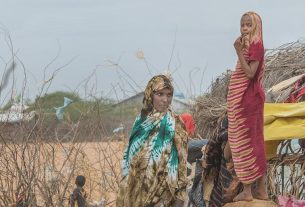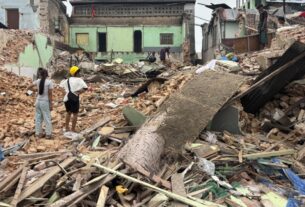
The escalation of conflict in eastern Democratic Republic of the Congo (DRC) is driving mass displacement.
The resources of food, water and shelter are stretched to breaking point and women and children increasingly left exposed to violence and exploitation. As Commissioner for Crisis Management Hadja Lahbib visits the region, the EU is mobilising €81.2 million in humanitarian aid across the Great Lakes.
With this new humanitarian funding, the EU will provide life-saving services to the most vulnerable in the eastern DRC, but also to Congolese refugees forced to flee the country. The funding will also support aid projects in Burundi, where a fragile humanitarian situation continues to leave vulnerable communities at risk, as well as in Rwanda and in Tanzania.
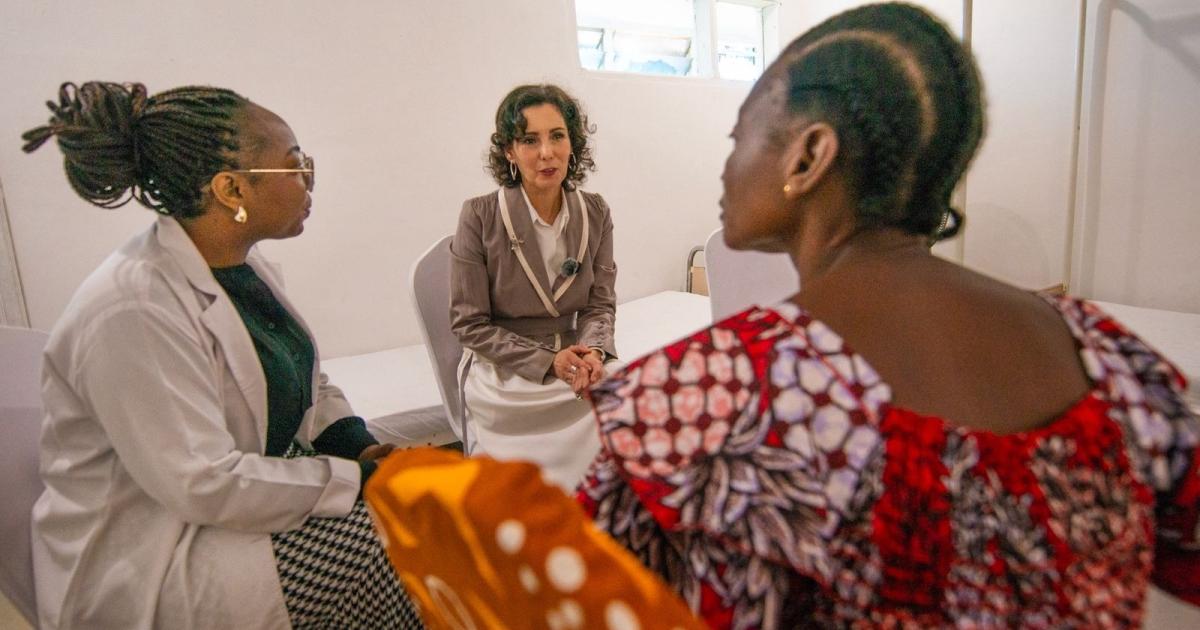
Commissioner Lahbib is currently visiting the DRC, Burundi and Rwanda to assess the most pressing humanitarian needs on the ground and to advocate for humanitarian access with all parties to the conflict in eastern DRC. This follows the Foreign Affairs Council discussion on 29 January, where the Commissioner received full support from Member States for her mission, with a view to developing tangible humanitarian diplomacy initiatives. During her visit, she will be meeting with government representatives in the three countries, humanitarian partners and visit EU-funded humanitarian aid projects.
Of the €81.2 million, €68 million will fund humanitarian aid inside the DRC, where conflict and displacement are driving the most urgent needs. The funding will provide food assistance and emergency health and nutrition care, restore access to water, sanitation and basic shelter for displaced families, and support protection services, including care for survivors of violence and child protection.
€13.2 million will support the regional refugee response and strengthen disaster preparedness across the Great Lakes region, helping partners respond quickly to new displacement and emergencies linked to the crisis.
Commissioner for Equality, Preparedness and Crisis Management, Hadja Lahbib, said:
‘Civilians in eastern DR Congo are trapped between bullets and hunger. Families are fleeing, and survivors of violence are struggling to find even basic care. The EU is mobilising €81.2 million in humanitarian assistance to ease the suffering of those most at risk. But money alone will not stop suffering. Aid workers must be able to reach people safely, quickly and without obstacles. International humanitarian law is not a buffet table. You don’t pick and choose. It is a duty for all parties, and it must be fully respected.’
Background
The Democratic Republic of the Congo is facing one of the world’s most severe humanitarian crises, driven by persistent armed conflict, mass displacement, disease outbreaks and deep poverty. More than 21 million people require humanitarian assistance, while violence in the eastern provinces continues to force families to flee repeatedly, often into overcrowded shelters or temporary camps. The crisis is compounded by widespread human rights violations, conflict-related sexual violence, and alarming food insecurity affecting nearly 28 million people.
Burundi’s humanitarian situation remains fragile, with hundreds of thousands of Burundian refugees still displaced across neighbouring countries and many more internally displaced by natural hazards such as floods and landslides, while returnees face challenges rebuilding their lives and accessing basic services like food, healthcare, water, sanitation and protection. Recent escalations in neighbouring eastern DRC have triggered large cross-border movements, with tens of thousands of Congolese refugees arriving in Burundi since late 2025, putting additional pressure on already stretched resources, including camps, health services and water systems.
The European Union remains a major humanitarian donor to the region, allocating €129.5 million in 2025, most of which to the response in the DRC, to deliver life-saving assistance in the DRC, as well as to refugees across neighbouring countries.