In a sharp escalation of rhetoric that has heightened fears of a wider security crackdown, Iran’s Supreme Leader Ayatollah Ali Khamenei broke his silence on Saturday, January 3, 2026, to address the wave of unrest currently sweeping the nation. Speaking in Tehran, the 86-year-old leader characterized the demonstrations—sparked by a collapsing currency and soaring inflation—as a divide between legitimate economic grievances and foreign-backed “rioting.”
While Khamenei acknowledged that the demands of shopkeepers and market traders are “fair,” his televised remarks issued a chilling directive to the state’s security apparatus: “There is no benefit to talking to rioters. Rioters must be put in their place.”
A Week of Volatility: The Human Cost
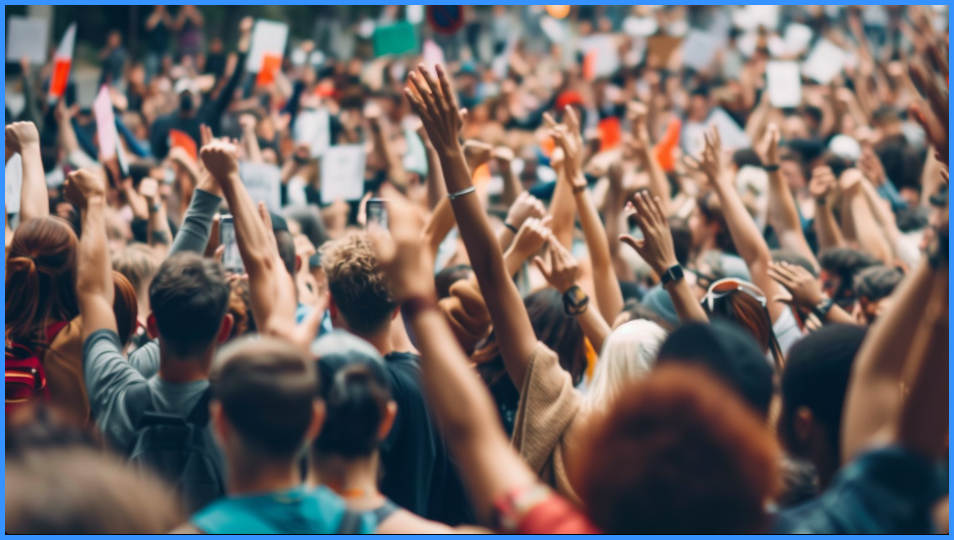
The protests, which began on December 28, 2025, after the Iranian rial hit a record low of 1.45 million to the U.S. dollar, have now spread to over 100 locations across 22 of Iran’s 31 provinces. The violence reached a new peak overnight into Saturday, bringing the confirmed death toll to at least 10 people.
- The Qom Incident: In the holy city of Qom, state media reported that a man was killed when a grenade he was allegedly carrying to attack security forces exploded.
- Harsin Fatality: In the town of Harsin, a member of the Basij—the volunteer paramilitary arm of the Revolutionary Guard—was reportedly killed in a “gun and knife attack.”
- Mass Arrests: Rights groups, including Hengaw and the Human Rights Activists News Agency (HRANA), report that scores of protesters, including women and minors, have been detained in cities like Shiraz, Ilam, and Tehran.
The “Foreign Hand” and Geopolitical Tensions
As is customary during periods of domestic unrest, Khamenei attributed the instability to “the enemy,” specifically pointing toward the United States and Israel. These accusations carry heightened weight following the June 2025 war with Israel, which saw U.S.-backed strikes on Iranian nuclear facilities, further crippling the nation’s energy revenue.
The situation has been further inflamed by comments from U.S. President Donald Trump, who warned on Friday that the United States is “locked and loaded” and will “come to the rescue” of peaceful protesters if the regime resorts to lethal force.
Comparison to the 2022 “Mahsa Amini” Uprising
While the current unrest is the largest since the 2022 protests triggered by the death of Mahsa Amini, analysts note several key differences:
- Economic Catalyst: Unlike 2022’s focus on social freedoms and the hijab, the 2026 movement is driven by 42% inflation and the inability of the middle class to afford basic goods.
- Class Participation: The involvement of “Bazaaris” (merchants) and shopkeepers—historically a pillar of support for the Islamic Republic—suggests a deeper systemic threat to the government’s stability.
- Government Response: While reformist President Masoud Pezeshkian has attempted to signal a desire for “dialogue,” Khamenei’s “put them in their place” mandate effectively overrides the civilian government, empowering hardline Revolutionary Guard units to take control.