DOHA — In a major blow to global energy security, Saad al-Kaabi, CEO of state-owned QatarEnergy, confirmed on Saturday, March 21, 2026, that the damage sustained during recent Iranian drone strikes on the Ras Laffan industrial complex will take between three and five years to fully repair.
The announcement follows a detailed technical assessment of the facility, which serves as the heart of Qatar’s liquefied natural gas (LNG) production and a critical artery for European and Asian energy markets.
A Systemic Hit to Global LNG Supply
The drone attack, part of the broader regional escalation that began in early March, specifically targeted the complex’s liquefaction infrastructure. The damage is more extensive than initial satellite imagery suggested:
- Liquefaction Trains Offline: Two of Qatar’s 14 liquefaction trains—the massive units used to cool natural gas into a liquid for export—were directly struck.
- Capacity Loss: The incapacitation of these two trains represents a 17% reduction in Qatar’s total annual LNG output.
- Specialized Components: Al-Kaabi noted that the multi-year repair timeline is driven by the need to source highly specialized, long-lead components, including custom cryogenic heat exchangers that currently face a global manufacturing backlog.
Market Fallout: The “Gas Gap” Widens
The news has sent immediate ripples through natural gas exchanges in London and Tokyo. Qatar provides roughly 20% of the world’s LNG, and any sustained reduction in its output directly impacts global price stability.
- European Vulnerability: Since the 2022 pivot away from Russian pipeline gas, the European Union has become heavily reliant on Qatari “spot” cargoes. Analysts at Energy Aspects warn that this 17% shortfall could lead to mandatory industrial rationing in Germany and Italy by the winter of 2026.
- Asian Price Surge: Japan and South Korea, which hold long-term contracts with QatarEnergy, are now scouring the market for replacement volumes, driving the Japan-Korea Marker (JKM) to its highest level since the peak of the 2022 energy crisis.
- The “Strait” Compounding Factor: The damage at Ras Laffan is exacerbated by the ongoing blockade of the Strait of Hormuz. Even the remaining 83% of Qatar’s capacity faces severe logistical hurdles as tankers remain unable to transit the high-risk zone.
Strategic Infrastructure Assessment (March 21, 2026)
| Metric | Status | Impact |
| Total LNG Trains | 14 | 2 Indefinitely Offline |
| National Output | 77 MTPA | -13 MTPA (Approx.) |
| Repair Timeline | 3–5 Years | Sustained long-term supply gap |
| Global Market Share | ~20% | Major tightening of Atlantic and Pacific basins |
A Diplomatic and Economic Shift
The prolonged repair timeline suggests that Qatar’s ambitious North Field Expansion—intended to boost production to 126 million tonnes per annum (MTPA) by 2027—may be significantly delayed or diverted to cover the existing deficit.
International energy observers describe the strike on Ras Laffan as a “calculated blow” to global economic stability. Unlike oil, which can be rerouted via pipelines or trucks, LNG requires specialized maritime infrastructure that cannot be easily replaced. As Qatar prepares to operate at diminished capacity through the end of the decade, the global transition toward gas as a “bridge fuel” faces its most severe structural challenge to date.
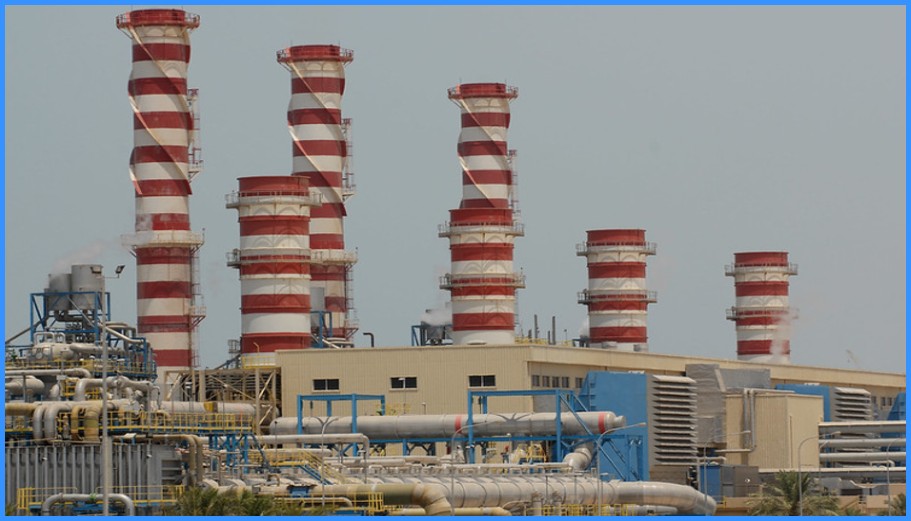
Ras Laffan Industrial Complex, Qatar by Stefano Campolo