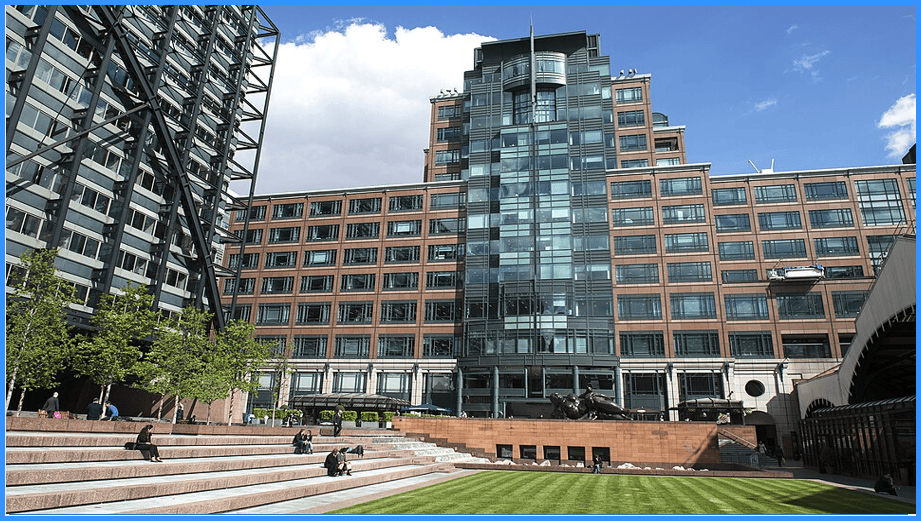
LONDON — The European Bank for Reconstruction and Development (EBRD) has unveiled a high-stakes roadmap for the next half-decade, formally approving a strategy to mobilize at least €150 billion in cumulative green financing between 2026 and 2030. Announced on Thursday, March 5, 2026, the target signals a massive scaling of the bank’s role as a primary architect of the low-carbon transition across its 36 economies.
The €150 billion figure represents a “minimum floor” for the institution, which aims to catalyze both direct investments and a significant surge in private capital mobilization.
A Multiplier for Transition Capital
The 2026–2030 strategy is designed to move beyond traditional lending, focusing on “blended finance” models that de-risk green projects for private investors in emerging markets.
- Direct Investment vs. Mobilization: Of the €150 billion, a substantial portion is expected to come from the EBRD’s own balance sheet, while the remainder will be unlocked through syndications and co-investments with commercial banks and institutional funds.
- Exceeding the Target: EBRD leadership emphasized that as global demand for climate adaptation and renewable energy infrastructure accelerates, the bank intends to “consistently exceed” these baseline projections.
- Geographic Focus: The strategy places a renewed emphasis on “hard-to-abate” regions in Central and Eastern Europe, Central Asia, and the Southern and Eastern Mediterranean, where the capital gap for green energy remains most acute.
Strategic Pillars: Resilience and Innovation
The new roadmap is built on the success of the bank’s previous Green Economy Transition (GET) approach, but adds layers of complexity suited for the volatile mid-2020s.
- Nature-Positive Investing: For the first time, the 2026 strategy integrates biodiversity and “nature-positive” metrics into its core financing criteria, aligning with the global push to value natural capital.
- Decarbonizing Heavy Industry: A significant slice of the €150 billion is earmarked for the decarbonization of steel, cement, and chemical sectors—industries that are critical to the economies the EBRD serves but are notoriously difficult to transition.
- Energy Security: Amidst the ongoing regional instability in the Middle East and Eastern Europe, the bank is doubling down on “resilient renewables,” focusing on wind, solar, and green hydrogen projects that reduce reliance on fossil fuel imports.
The Roadmap to 2030
As the EBRD enters this new strategic phase, the bank’s President, Odile Renaud-Basso, noted that the institution is no longer just a lender of last resort, but a “strategic partner” in the global climate race. With the 2030 United Nations Sustainable Development Goals (SDGs) fast approaching, the EBRD’s €150 billion commitment acts as a critical signal to the markets that the transition in emerging economies is gaining irreversible momentum.
For the private sector, the EBRD’s strategy provides a clear “green signal”: the bank is ready to put its capital on the line to lead the way into the next decade of sustainable growth.
The European Bank for Reconstruction and Development (EBRD) by Dermot Doorly