DUBLIN — The long-running legal saga surrounding the brutal abduction and torture of Kevin Lunney has reached a definitive conclusion. The Court of Appeal has officially dismissed applications from three men seeking to overturn their convictions for the 2019 attack on the former Quinn Industrial Holdings (QIH) director. The ruling marks a significant moment for the Irish judiciary, affirming the original trial’s findings despite complex arguments regarding digital privacy and surveillance evidence.
Legal & Justice: Convictions Upheld
The three-judge panel delivered a comprehensive judgment on Tuesday, January 13, 2026, confirming that the original trial in the Special Criminal Court was both fair and robust. The appellants—Alan O’Brien, Darren Redmond, and a third individual known only as YZ for legal reasons—had sought to have their sentences and convictions quashed. Their legal teams primarily challenged the admissibility of mobile phone data and CCTV footage used to track their movements on the night of the assault.
In its decision, the court ruled that the evidence linking the men to the isolated site in County Cavan, where the assault occurred, was “overwhelming” and “untainted by procedural error.” The court also rejected claims that the use of the non-jury Special Criminal Court had prejudiced the outcome, citing the clear threat to the administration of justice and potential for jury intimidation in such high-profile organized crime cases.
Security & Investigation: A Landmark for Digital Evidence
The investigation into the Lunney abduction remains one of the most sophisticated cross-border operations in the history of the Gardaí and the Police Service of Northern Ireland (PSNI). The use of cell-site analysis—which the defense had heavily contested—was ultimately validated by the appellate court as a necessary and proportionate tool in modern criminal investigations.
The court noted that the meticulous “breadcrumb trail” of digital footprints was essential in dismantling the cell responsible for the attack. This ruling is expected to set a firm precedent for future cases involving organized crime groups that utilize burner phones and cross-border movements to evade detection. While the “paymaster” behind the attack, Cyril McGuinness, died during a police raid in the UK shortly after the incident, the dismissal of these appeals ensures that the primary executors of the violence remain behind bars.
Business & Corporate Impact: Restoring Stability to the Border Region
For the business community in the Fermanagh-Cavan border region, the ruling provides a much-needed sense of closure. The attack on Mr. Lunney was not merely a personal assault but a calculated strike against the leadership of Quinn Industrial Holdings (now Mannok). At the time, the violence threatened the economic stability of a company employing thousands of people.
Company representatives have consistently stated that the safety of their staff is paramount. The confirmation of these convictions is seen as a victory for corporate security and the rule of law in an area once plagued by lawlessness and intimidation. It reinforces the message that the state will aggressively pursue those who attempt to destabilize major employers through campaigns of terror.
Human Rights: A Victim’s Resilience
At the heart of this legal battle remains the traumatic experience of Kevin Lunney. The details of his ordeal—including being abducted from his driveway, tortured in a horse box, and left for dead on a rural road—shocked the nation and drew international condemnation.
Human rights advocates have pointed to the case as a stark example of the need for robust witness and victim protection programs. The Court of Appeal’s decision acknowledges the “extraordinary gravity” of the crimes committed. While the physical and psychological scars of the 2019 incident remain, the finality of today’s ruling ensures that the perpetrators will serve the remainder of their substantial sentences, which range up to thirty years for the lead offender.
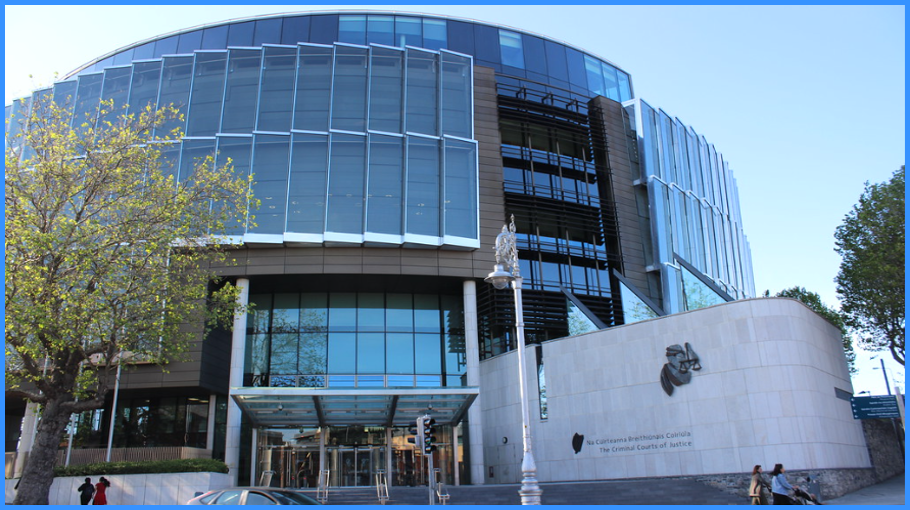
Criminal-Courts-of-Justice-Dublin.-Wikimedia-Picture-by-Metro-Centric-Creative-Commons-2.0