WASHINGTON / TEHRAN — The Middle East stands on the precipice of a catastrophic expansion of hostilities this Saturday, March 7, 2026. In a volatile exchange of ultimatums, President Donald Trump warned of imminent strikes targeting “certain death,” while Iranian President Masoud Pezeshkian vowed that his nation would never succumb to a U.S. demand for unconditional surrender.
The rhetorical escalation follows a week of naval carnage in which the U.S. military confirmed the sinking of 43 Iranian navy vessels, effectively neutralizing Tehran’s surface fleet as carrier strike groups enforce a suffocating maritime blockade.
Trump’s Saturday Ultimatum: New Targets Identified
In a series of social media posts, President Trump signaled that “Phase Two” of the campaign would commence today, expanding the scope of the conflict to areas previously considered off-limits.
- The Warning: Trump stated that Iran would be “hit very hard” on Saturday, citing “bad behavior” as the catalyst for a shift in targeting strategy.
- Expanded Scope: “Under serious consideration for complete destruction and certain death… are areas and groups of people that were not considered for targeting up until this moment in time,” the President wrote.
- Dover Context: These threats coincide with Trump’s attendance at the dignified transfer of six U.S. service members at Dover Air Force Base today—a solemn event serving as the emotional backdrop for a renewed offensive.
Pezeshkian’s Defiant Apology
In a pre-recorded address aired Saturday morning, President Pezeshkian struck a complex tone of defiance mixed with regional contrition.
“A U.S. demand for an unconditional surrender is a dream that they should take to their grave,” Pezeshkian declared, reinforcing that Iran remains “unbroken” despite the loss of its naval assets.
Crucially, Pezeshkian issued a rare formal apology to neighboring Gulf states for recent missile and drone strikes that hit civilian infrastructure. He attributed these incidents to “miscommunication in military ranks” and pledged that Iran would no longer target neighbors—with one major caveat: “unless an attack on Iran originates from those countries.”
A Shift in the Maritime Balance
The Pentagon’s report of 43 Iranian vessels sunk marks a historic shift in regional power. The U.S. Fifth Fleet confirmed that the Revolutionary Guard’s “mosquito fleet” has been largely dismantled, leaving the Strait of Hormuz under total Western carrier-group dominance. This blockade has effectively halted Iran’s ability to export its remaining oil or receive maritime military resupply.
The “Neutrality Trap”
Pezeshkian’s apology appears to be a calculated diplomatic maneuver to prevent the Gulf Cooperation Council (GCC) from providing further logistical support to the U.S. military. By threatening countries that host U.S. launch platforms, Tehran is forcing its neighbors into a “neutrality trap” just as B-2 stealth bombers arrive at regional staging areas.
With the clock ticking on Trump’s “Saturday strike,” the world is watching to see if the U.S. will target the “groups of people” alluded to in the President’s warning—a move that international observers fear would represent a “point of no return” for the global order.
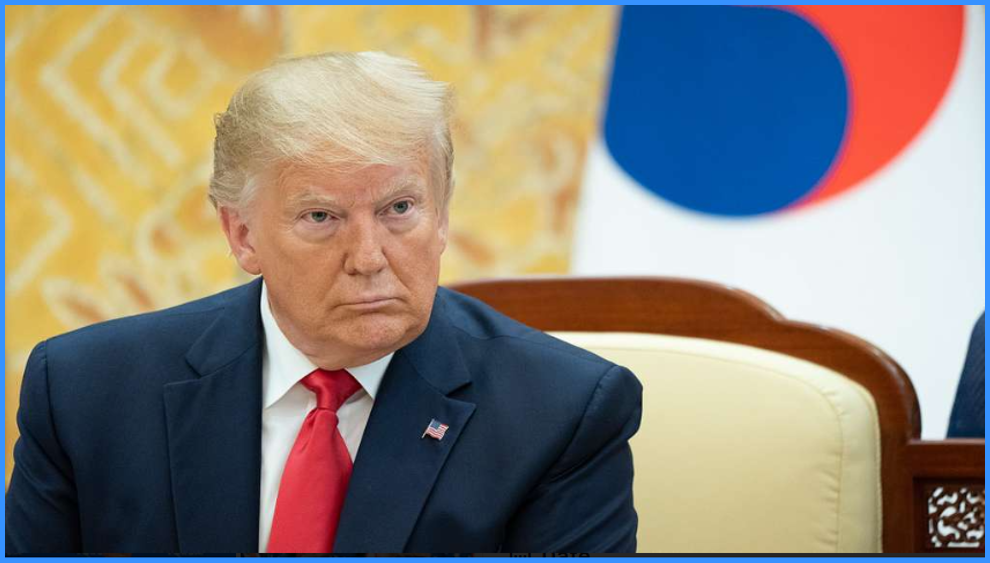
President Donald J. Trump Picture from Picryl, Public Domain