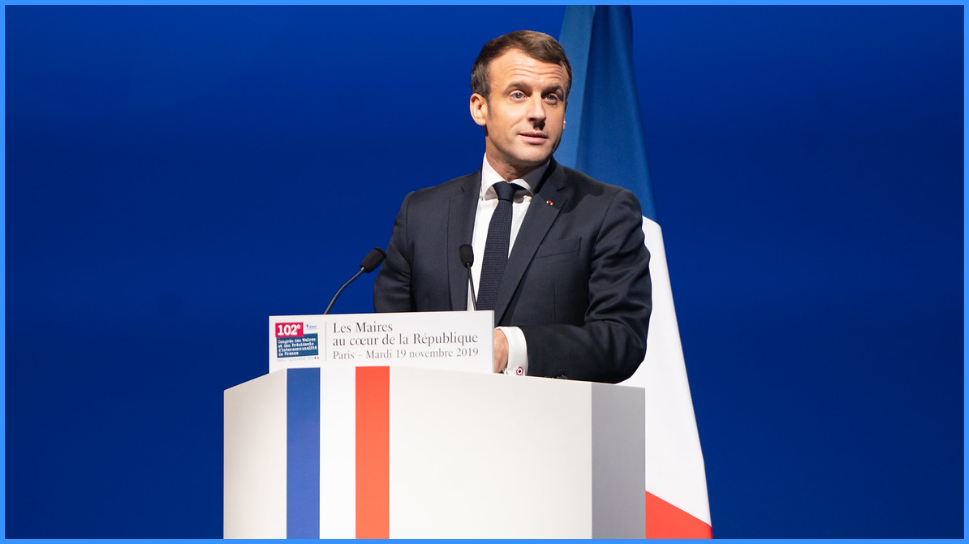
In a nuanced display of “En Même Temps” (at the same time) diplomacy, French President Emmanuel Macron has delivered a split verdict on the U.S. military operation that toppled the Venezuelan government.2 On Monday, January 5, 2026, Macron clarified that while France views the departure of Nicolás Maduro as “good news,” it categorically refuses to support or approve the unilateral military tactics employed by the United States.3
The statement follows a weekend of intense diplomatic friction, during which Paris initially voiced sharp concern over the breach of international legal norms during Operation Absolute Resolve.4
The “Legitimacy” Paradox
Macron’s stance reflects a delicate balance: endorsing the political outcome while distancing the European Union from the precedent of foreign-led regime change.5
- Outcome vs. Process: Macron described Maduro as a “dictator” who had “trampled on fundamental freedoms” and “gravely undermined” the dignity of his people.6 From this perspective, Paris views the end of his 13-year rule as a victory for democracy.
- The Legal Rebuke: Conversely, the French presidency was explicit that the “method” used—unilateral airstrikes and the extraction of a sitting head of state—contravenes the UN Charter. Government spokesperson Maud Bregeon confirmed that Macron told a cabinet meeting the operation was “neither supported nor approved” by France.7
- No “Crying” for the Regime: Despite the legal concerns, Bregeon underscored the lack of sympathy in the Elysée Palace, stating that France “will not shed tears” over the fall of a leader who lost his popular mandate following the disputed 2024 elections.8
Leading the European Response
France has become the primary architect of a broader European consensus that seeks to moderate U.S. unilateralism in the Western Hemisphere.
| Entity | Primary Stance | Key Concern |
| President Macron | Critical of U.S. “Method” | Potential for a “Dangerous Precedent” in global order. |
| Foreign Ministry (Quai d’Orsay) | Legalist Opposition | Violation of the “Non-use of Force” principle. |
| 26 EU Member States | Multilateral Caution | Ensuring the transition is “Venezuelan-led” and democratic. |
The Vision for “Venezuelan-Led” Transition
Macron has called for the international community to shift its focus from the U.S. military action toward a stable, diplomatic future for Caracas.
- Recognition of González: Macron reaffirmed France’s support for Edmundo González Urrutia, whom Paris recognizes as the legitimate winner of the 2024 election, to guide the transition.9
- Safety of Nationals: The French government remains “fully mobilized and vigilant” regarding the safety of French citizens in Venezuela amid reports of ongoing instability and RSF-style militia activity in the capital.10
- Humanitarian Priority: Paris is advocating for the immediate release of all remaining political prisoners and the opening of humanitarian corridors to address the nation’s severe economic crisis.11
The Long-Term Impact
As Maduro enters the judicial phase in New York, Macron’s “half-approval” serves as a strategic marker. By welcoming the dictator’s exit but condemning the U.S. raid, France aims to preserve its status as a defender of the rules-based international order while maintaining a functional—if tense—special relationship with the Trump administration.
The challenge for the Elysée will be ensuring that “good news” for the Venezuelan people does not come at the cost of a global “might makes right” security landscape.
President Emmanuel Macron Flickr Picture by Jacques Paquier