GENEVA / DUBAI — In a forceful appeal for regional restraint, the United Arab Emirates (UAE) called on the international community to halt the “unwarranted” targeting of third-party nations and return to the negotiating table. On Monday, March 9, 2026, Jamal Al Musharakh, the UAE Ambassador to the United Nations in Geneva, emphasized that the Emirates would not partake in any offensive actions against Iran, even as the country grapples with the humanitarian and physical fallout of a ten-day regional conflict.
The Ambassador’s statement to the UN correspondents’ association (ACANU) underscored a policy of disciplined neutrality amid the ongoing U.S.-Israeli “Operation Epic Fury” and Iran’s subsequent retaliatory strikes across the Gulf.
The Toll of Neutrality
Despite its official stance of non-involvement, the UAE has become a primary target of Iranian aerial bombardment. Ambassador Al Musharakh provided a sobering account of the conflict’s impact on Emirati soil:
- The 1,400 Benchmark: Since hostilities began on February 28, the UAE has been subjected to over 1,400 attacks involving cruise missiles, ballistic missiles, and drones.
- Casualties and Infrastructure: The strikes have resulted in four civilian fatalities and 114 minor injuries. The Ambassador labeled the targeting of civilian infrastructure—including vital desalination plants and energy facilities—as “unacceptable” and without legal basis.
- Defense Success: The UAE Ministry of Defence confirmed that its air defense systems successfully intercepted 12 of 15 ballistic missiles launched on Monday alone, with the remainder falling into the sea.
A “No” to Offensive Basing
A central pillar of the UAE’s diplomatic push is the public reassurance that it is not a combatant. “Our bases are not being used to attack Iran,” Al Musharakh stated, clarifying that the UAE has no desire to see the conflict expand.
This position serves as a direct response to President Masoud Pezeshkian’s weekend offer to halt attacks on neighbors who refuse to host U.S. strikes. However, the Ambassador signaled skepticism regarding the offer’s sincerity, noting that “actions on the ground speak for themselves” as missiles continue to enter Emirati airspace.
The Path to Geneva 2.0
The UAE is now advocating for a return to the diplomatic framework that existed just days before the war began. On February 26, indirect talks between the U.S. and Iran took place in Geneva via Omani mediators—a process the UAE hopes to revive.
“We were one of the countries that constantly called for the need for negotiation, diplomacy, and de-escalation,” Al Musharakh noted. “This is a standing position we have, and we will continue to offer that.”
As global oil prices remain volatile and the regional death toll mounts, Abu Dhabi’s “stoic” refusal to retaliate is seen as a strategic effort to prevent the Gulf from sliding into a total, irreversible war. By maintaining open diplomatic channels while hardening its defenses, the UAE aims to remain the “bridge” in a region that is rapidly burning.
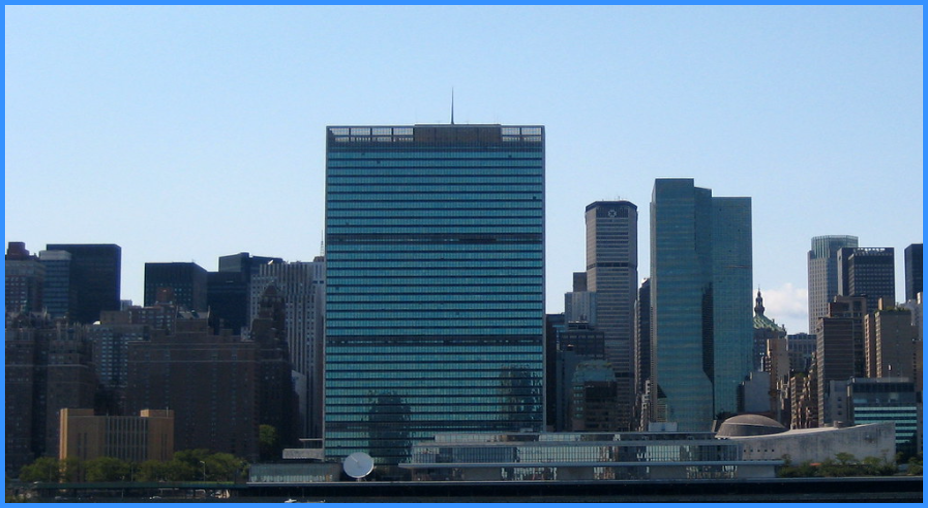
The-United-Nations-Hq-NYC-by-Wally-Gobetz.