WASHINGTON, D.C. — The U.S. Senate is scheduled to hold a high-stakes vote today, Wednesday, March 4, 2026, on a privileged War Powers Resolution designed to curb President Donald Trump’s unilateral military campaign in Iran. The resolution, spearheaded by Minority Leader Chuck Schumer and Senators Tim Kaine and Adam Schiff, marks a pivotal attempt by Congress to reassert its constitutional authority over declarations of war as “Operation Epic Fury” enters its fifth day.
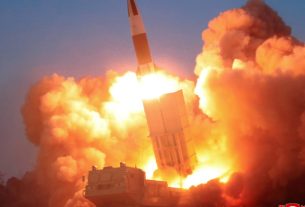
The push for a vote follows a weekend of intense U.S.-Israeli strikes that resulted in the death of Iran’s Supreme Leader, Ayatollah Ali Khamenei, and a series of retaliatory missile barrages that have left at least six U.S. service members dead.
Reasserting the “Power of the Purse and Sword”
The resolution seeks to “direct the removal of United States Armed Forces from hostilities” against Iran unless explicitly authorized by a formal act of Congress. While the resolution does not prevent the U.S. from defending itself or its allies against an imminent attack, its sponsors argue that the current air campaign lacks a coherent strategy or clear legal mandate.
- Schumer’s Warning: Senator Schumer criticized what he described as “shifting goals” from the administration, stating on Tuesday, “The American people do not want an endless war that will cost billions… Congress has the duty to rein in this belligerence.”
- Strategy Concerns: Senator Kaine, a member of the Armed Services Committee, emphasized the risks of “mission creep,” noting that the administration has failed to provide a detailed briefing on the long-term objectives of the current escalation.
- The Schiff Perspective: Senator Schiff argued that the Founders designed the War Powers Act specifically to prevent an executive from “growing too fond of war-making,” a fear he claims has now been realized.
A Uphill Battle in a Divided Chamber
Despite the urgency felt by the bill’s sponsors, the resolution faces a difficult path in a Senate where Republicans hold a 53-seat majority.
- GOP Opposition: Senate Majority Leader John Thune has dismissed the resolution as “dangerous,” arguing that the President is acting in the best interest of national security and currently possesses all the authority needed to “finish the job.”
- The Fetterman Factor: The resolution’s odds further dimmed after Democratic Senator John Fetterman signaled he would join Republicans in opposing the measure, meaning proponents would likely need at least five Republican defections to reach the 50-vote threshold.
- The Veto Threat: Even if the resolution were to pass both the Senate and the House—where a similar vote led by Reps. Ro Khanna and Thomas Massie is expected Thursday—President Trump has signaled a certain veto. Overriding such a veto would require a two-thirds majority in both chambers, a feat no War Powers Resolution has ever achieved.
Global Plea for Restraint: UN Warns of “Uncontrollable Conflagration”
The legislative showdown in Washington coincides with a chorus of international alarm. United Nations Secretary-General António Guterres has issued an urgent plea for “maximum restraint,” warning that the Middle East is standing on the precipice of a total, uncontrollable conflagration. As the death toll in Iran reportedly climbs past 780, Guterres emphasized that neither the region nor the world can afford the “forever war” that critics in the Senate now fear is beginning.
As the roll call begins this afternoon, the vote serves as more than just a procedural hurdle; it is a formal record of where each Senator stands on the most significant American military engagement in the Middle East since the Iraq War.
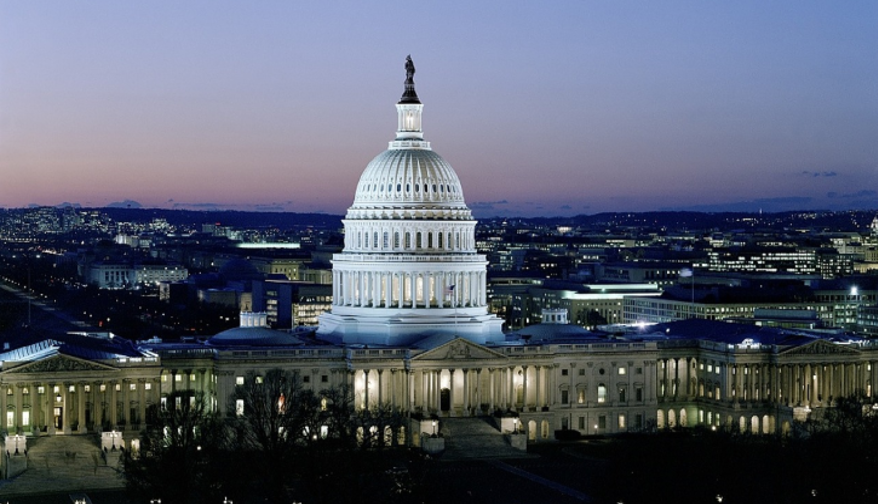
U.S. Capitol Building, Senate and the House of Representatives Meeting Space