Foreign Secretary Chatham House essay: Britain’s place in the new world order

The world is more dangerous than it has been for decades, and families across the United Kingdom are feeling the impact. War has returned to Europe, pushing up energy bills at home. A closed strait 3,000 miles away drives up prices at the petrol pump. Cyber-attacks from the other side of the world force British […]

Continue Reading
Chemical weapons: list of designations and sanctions notices

Notices Foreign, Commonwealth and Development Office notices issued from 28 January 2026 about additions, revocations/delistings and variations/corrections to the UK Sanctions List. Previous notices See previous financial sanctions notices for Chemical weapons issued by the Office of Financial Sanctions Implementation prior to 28 January 2026. Designations This regime provides for the designation of individuals and […]

Continue Reading

UN Human Rights Council 62: UK Statement for the Interactive Dialogue on South Sudan

Mr Vice President, We thank the High Commissioner for this report and commend OHCHR’s continued technical assistance in South Sudan. The report makes clear that the human rights situation continues to deteriorate. Escalating political tensions and intensified hostilities have driven a sharp increase in violence, with civilians continuing to bear the brunt, including through indiscriminate […]

Continue Reading

Global push for AI governance amid warnings of ‘catastrophic harm’

Governments, tech companies, academics and civil society will spend two days at the Global Dialogue on AI Governance wrestling with how to regulate a technology that is evolving faster than the rules meant to contain it. AI, if used responsibly, could bring transformational benefits to people across the world, but there are also fears the […]

Continue Reading

How do governance frameworks operate and what can major public projects gain from them?

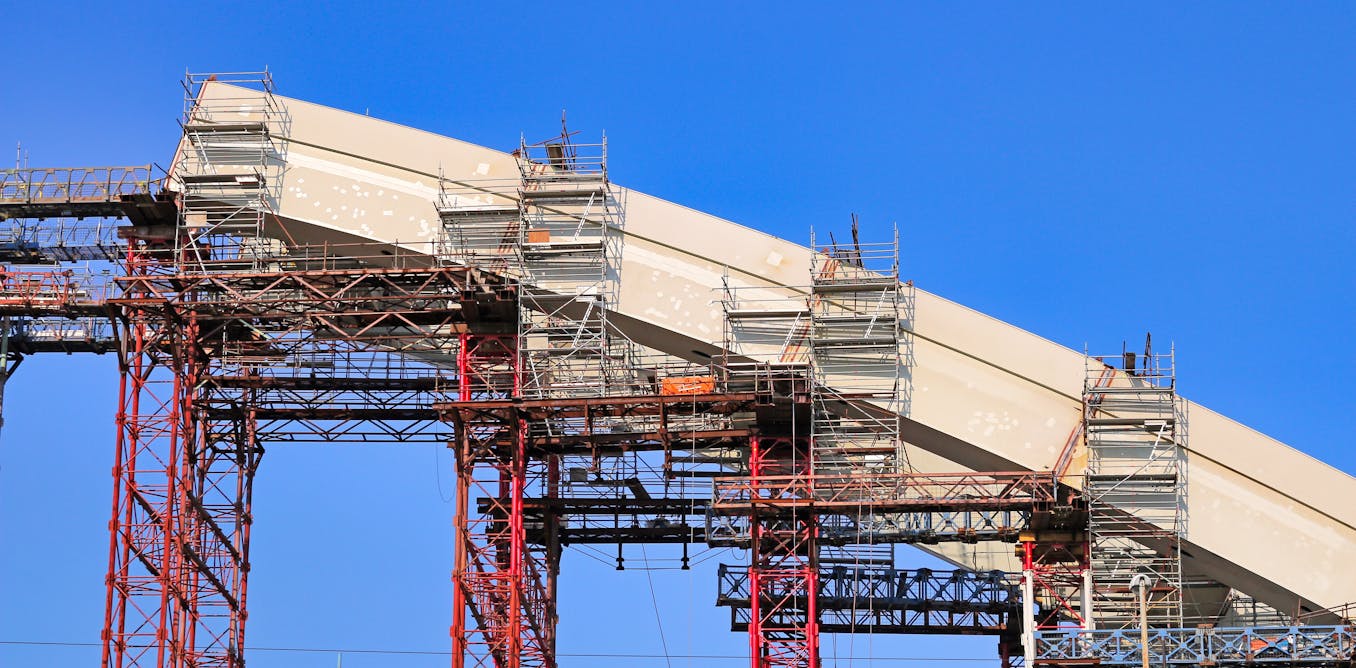
Highways, rail networks, airports, national healthcare systems, defence and information technology… As governments around the world prepare to invest heavily in critical infrastructure, an important question remains: who ensures that the major projects to deliver it are well governed and how? Global infrastructure investments are expected to exceed $150 trillion through 2050, with annual spending […]

Continue Reading

Chile’s Food Warning Labels Reduced Sugary Drink Consumption

– Advertisement – Chile has the strictest mandatory labelling requirements for unhealthy foods in the world. Advertising aimed at children is also heavily restricted. Following the introduction of these measures, consumption of sugar-sweetened drinks fell significantly and products became healthier. Although obesity remains a major problem, Austria can learn from the Chilean approach. In the […]

Continue Reading

As deadly as war and as powerful as governments, global organized crime remains in the shadows

When people think of the world’s deadliest threats, armed conflicts usually come to mind first. Yet every year, organized crime quietly claims a comparable number of lives. Since 2000, the UN estimates that organized criminal groups have been linked to about 95,000 homicides annually. That figure is strikingly close to the average annual death toll from […]

Continue Reading

A safe return home: Tackling stigma on Uganda’s Ebola frontline

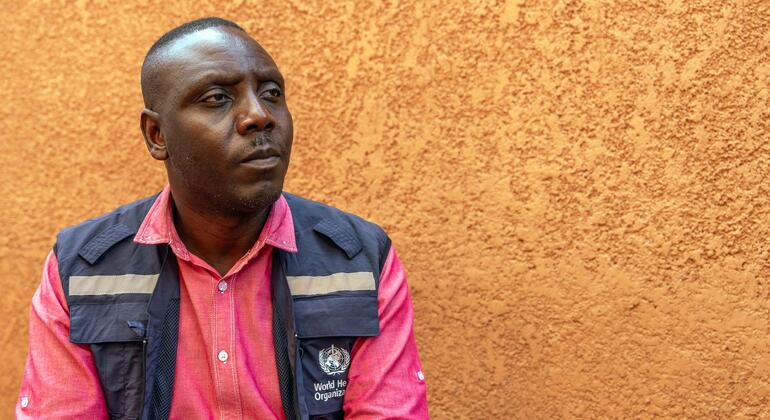
According to the latest figures, more than 1,400 confirmed cases of Ebola Bundibugyo virus disease, including 350 deaths, have been reported in the two countries. More than 90 per cent of infections are concentrated in Ituri province in DRC, a major cross-border trading hub with Uganda – ravaged by years of armed conflict. Calling Kampala […]

Continue Reading

Invisible peacebuilders: How ‘diplomacy works’ to prevent conflict

Many of the United Nations’ biggest successes are the crises that never make the headlines. Around the world, special political missions work quietly to ease tensions, broker agreements and support fragile political transitions. Their tools are negotiation, mediation and diplomacy. Unlike the perhaps more visible peacekeeping missions, they have no armoured vehicles or armed troops. […]

Continue Reading

Civilian dangers multiply as drones transform Ukraine’s battlefield

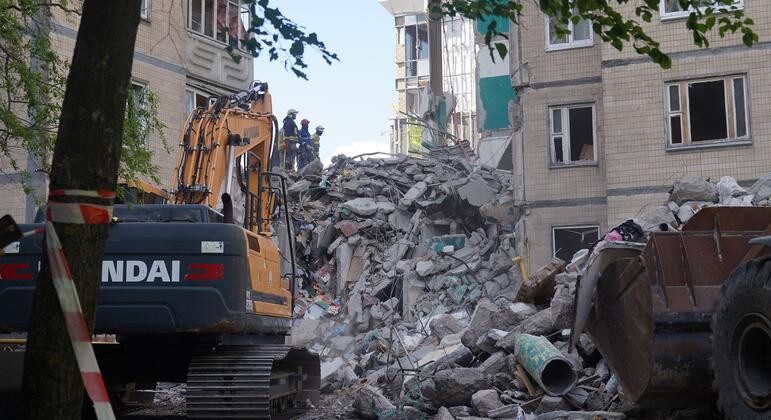
“The battlespace has become a lot deeper, a lot wider and a lot more lethal,” Paul Heslop, Chief Mine Action Adviser at the UN Development Programme (UNDP) in Ukraine, told UN News in a recent interview. Unlike the early stages of Russia’s full-scale invasion, when opposing forces fought from relatively fixed trench lines, drones now monitor […]

Continue Reading