Is AI replacing the work of skilled radiologists? They give us their thoughts

Radiology team analysing a scan. Do they think AI could do better? DC Studio /Shutterstock Since the 2010s, breakthroughs in AI have prompted discussion about their implications for work, including a possible “workless” future. Those forecasted to face replacement are no longer only the lower-skilled, but also professionals, once viewed as impervious to technological automation. […]

Continue Reading
Crocodiles can have extra growth cycles in a year – why this matters for estimating the age of dinosaurs

In biology and palaeontology (the study of extinct organisms) there are a few ways to estimate the age of an animal’s skeleton. One is the extent of fusion of sutures in the skeleton – how much the plates of bone have joined together as the animal matured. Another is the texture of the bone surfaces. […]

Continue Reading

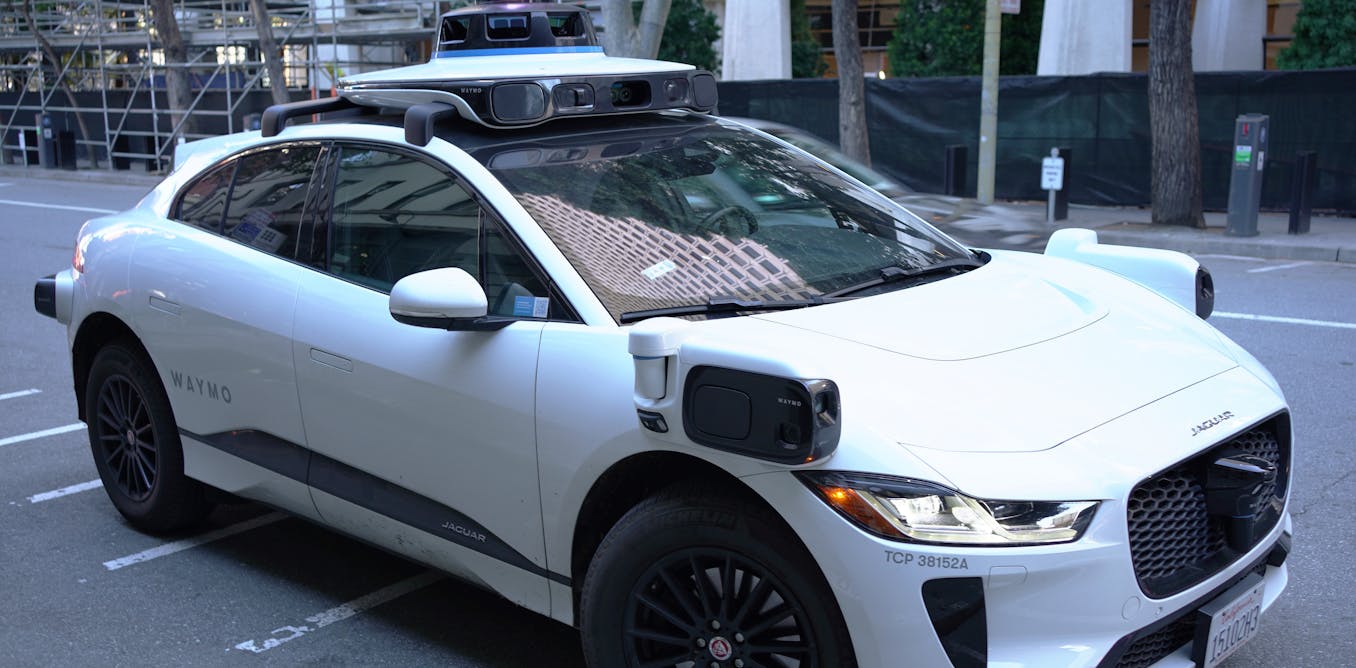
How driverless vehicles can be made safer for deaf and hard of hearing people

Self-driving cars are very much a reality and no longer a vision from science fiction. In the UK, automated vehicles (AVs) such as self-driving shuttles are already being tested on public roads. Self-driving taxi services are expected to launch in 2026, and the Automated Vehicles Act is scheduled for implementation in 2027. This act establishes […]

Continue Reading

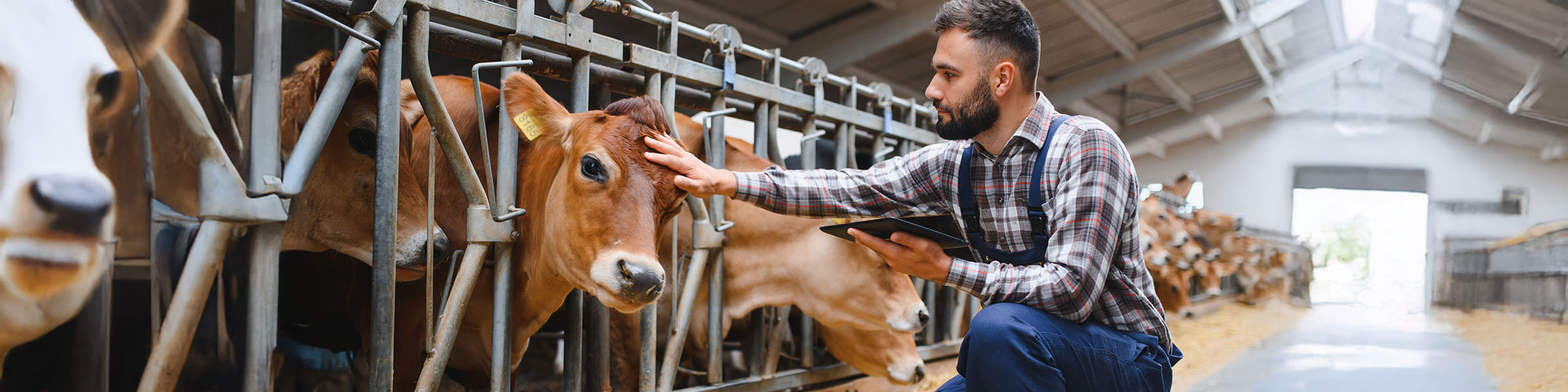
Connected countryside: smart tech is recharging rural Europe

Getting children ready and on time for school can be stressful. In Finnish Lapland, where winters are long and snowy and some students travel long distances by bus, the challenge is even greater. In two Lapland communities, a school transport app developed through an EU-funded initiative called AURORAL has streamlined school bus pick-ups, reducing morning […]

Continue Reading

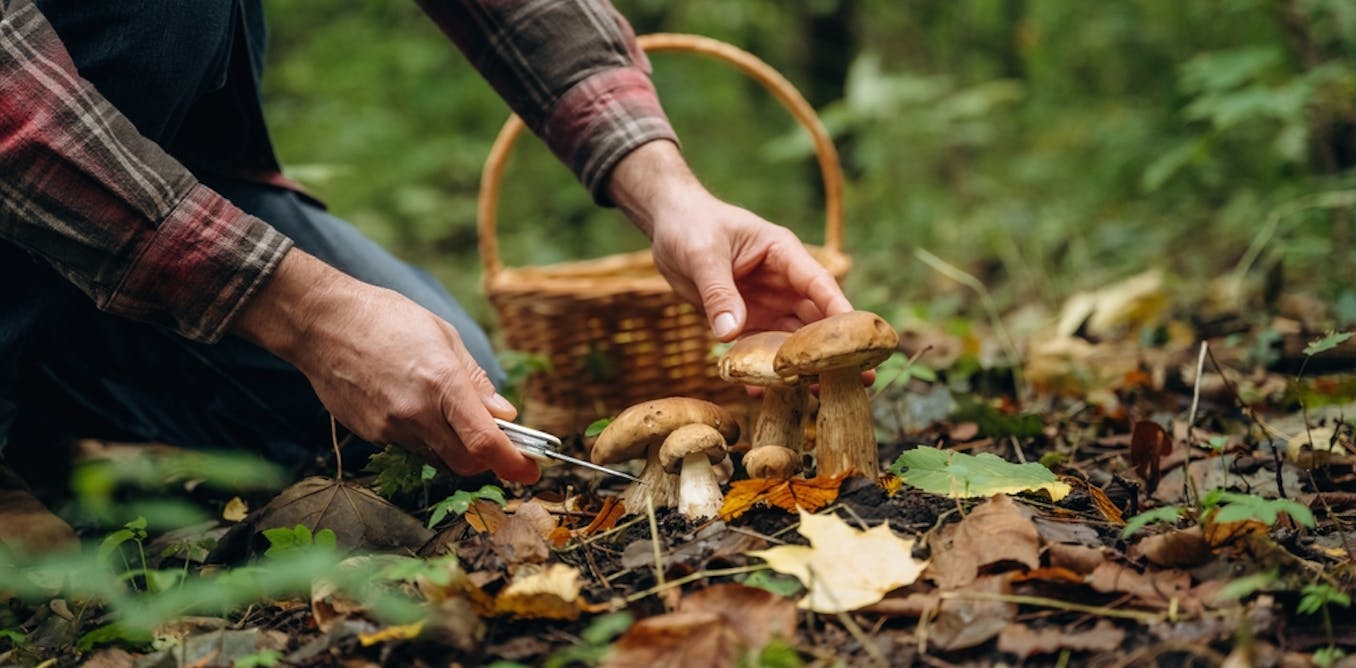
Foraged mushrooms and sea beet featured in British meals in the 16th century. Why not today?

Knowledge about eating wild mushrooms has been lost. Sandret/Shtterstock Wild garlic, oyster mushrooms and sea beet were once regularly gathered and eaten as part of meals across the UK. Today, some people have concerns about eating food growing in the woods or hedgerows, but are keen to discuss why – as our research shows. Our […]

Continue Reading

The story of the first telephone call – nine words that changed the world

“Mr Watson, come here. I want to see you.” Hardly momentous words, but their implications were enormous. Spoken by Scottish-born Alexander Graham Bell in his Boston laboratory on March 10 1876, they were the first intelligible words to be transmitted electrically through a wire from one place to another. With that, the telephone age began. […]

Continue Reading

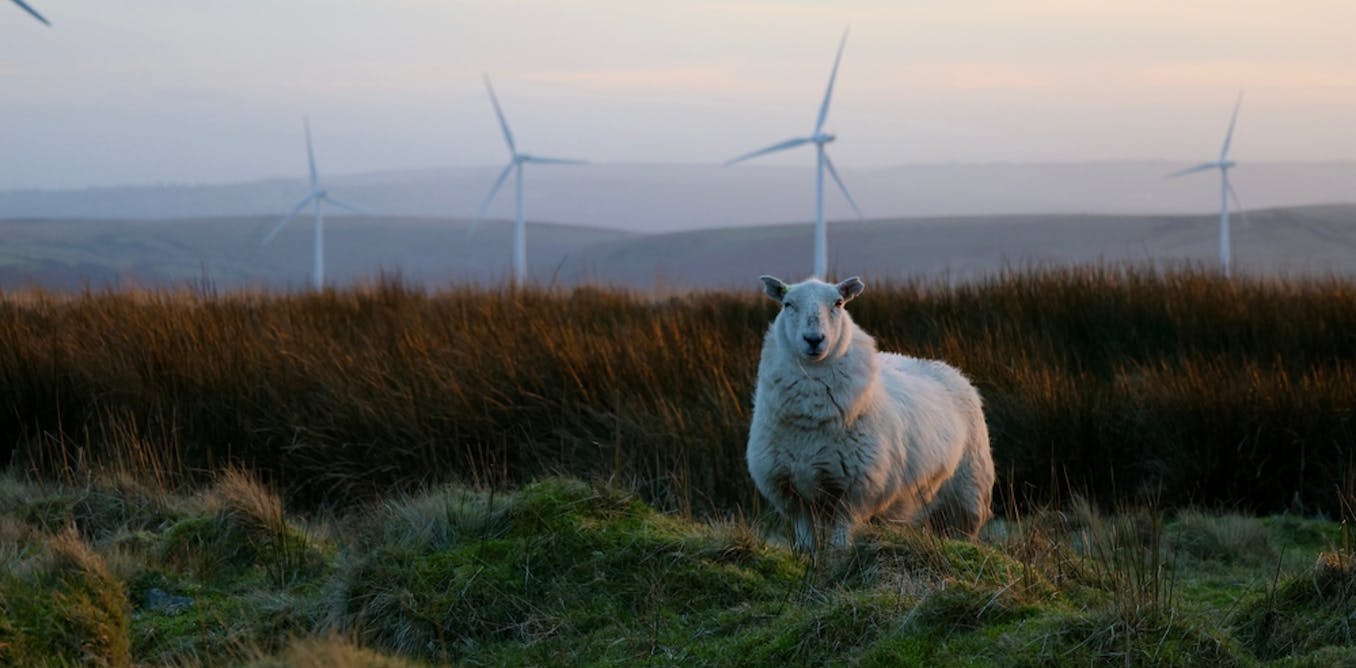
Plaid Cymru plans to share wind farm profits with local people – here’s how that idea has been tried elsewhere

Ellie Ford/Shutterstock When wind turbines rise above a Welsh hillside, who should benefit financially? Plaid Cymru’s Rhun ap Iorwerth believes it should be local communities. In a recent speech, the leader of the party that is currently heading the polls for the upcoming Welsh election said he would require renewable energy projects over 10 megawatts […]

Continue Reading

Why do sports shoes squeak? Here’s what our research reveals

The unofficial soundtrack of every basketball, squash or hard-court tennis match is the constant high-pitched squeak or shreak of the players’ shoes. But can this squeak be designed out of them while retaining the grip? That’s the question an international team of engineers and applied physicists, including me, have been investigating. It sounds like a […]

Continue Reading

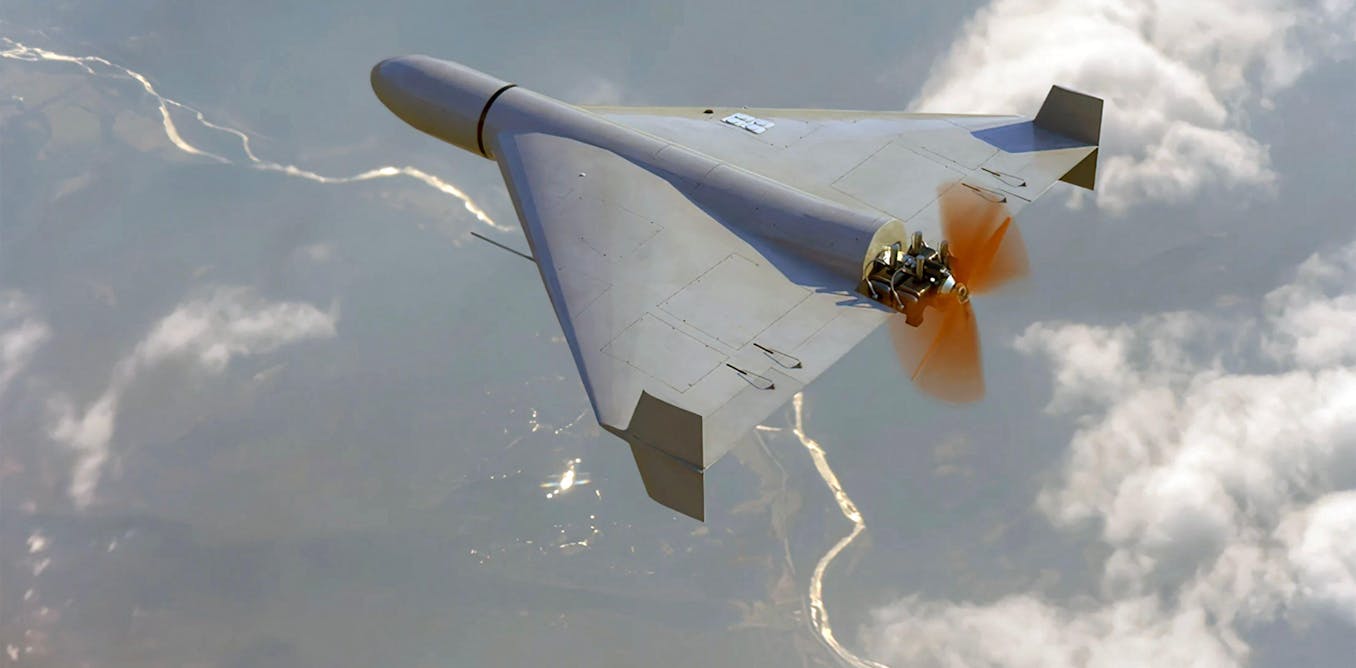
The US is using repurposed Iranian drone technology to attack Iran – a military expert explains why

Amid the biggest concentration of American military power in the Middle East in decades, the significance – and irony – of one aspect of the US war on Iran has gone largely unnoticed. In the opening salvoes of the attack, the US quietly introduced its Low-Cost Uncrewed Combat Attack System (Lucas), a one-way attack drone […]

Continue Reading

That cosy candle? It’s also polluting the air you’re breathing

During the winter months, when days are short and cold and nights are long and dark, creating a warm and cosy indoor atmosphere can feel especially important. Where I live in Denmark, around 75% of the population burns candles two or more times a week, and 34% use them daily during the winter months. In […]

Continue Reading