Why ‘superbugs’ thrive in hospitals

Jason Grant/Shutterstock Police Scotland has launched an investigation into the deaths of six patients, including adults and children, believed to have contracted fatal infections at the Queen Elizabeth University Hospital in Glasgow. The inquiry follows a long-running controversy over hospital-acquired infections at the site, with concerns raised by families and clinicians about water contamination, ventilation […]

Continue Reading


Your morning coffee might protect your brain as you age – here’s the sweet spot

Barillo_Images/Shutterstock.com Scientists have found that drinking two to three cups of coffee a day may significantly reduce your risk of developing dementia, but drinking more won’t help protect your brain any further. A major study tracked 131,821 American nurses and health professionals for up to 43 years, starting when they were in their early 40s. […]

Continue Reading

Autistic people seem to feel joy differently – here’s what it can tell us about neurodivergence

ViDI Studio/Shutterstock When people talk about autism, they often think about a child who is different and may be distressed by their surroundings. Or if the conversation moves beyond childhood, the focus might be about an autistic adult with analytical superpowers, such as The Good Doctor or Patience, who still has difficulty with their surroundings […]

Continue Reading

Why do our joints crack, pop and crunch and should we worry about it?

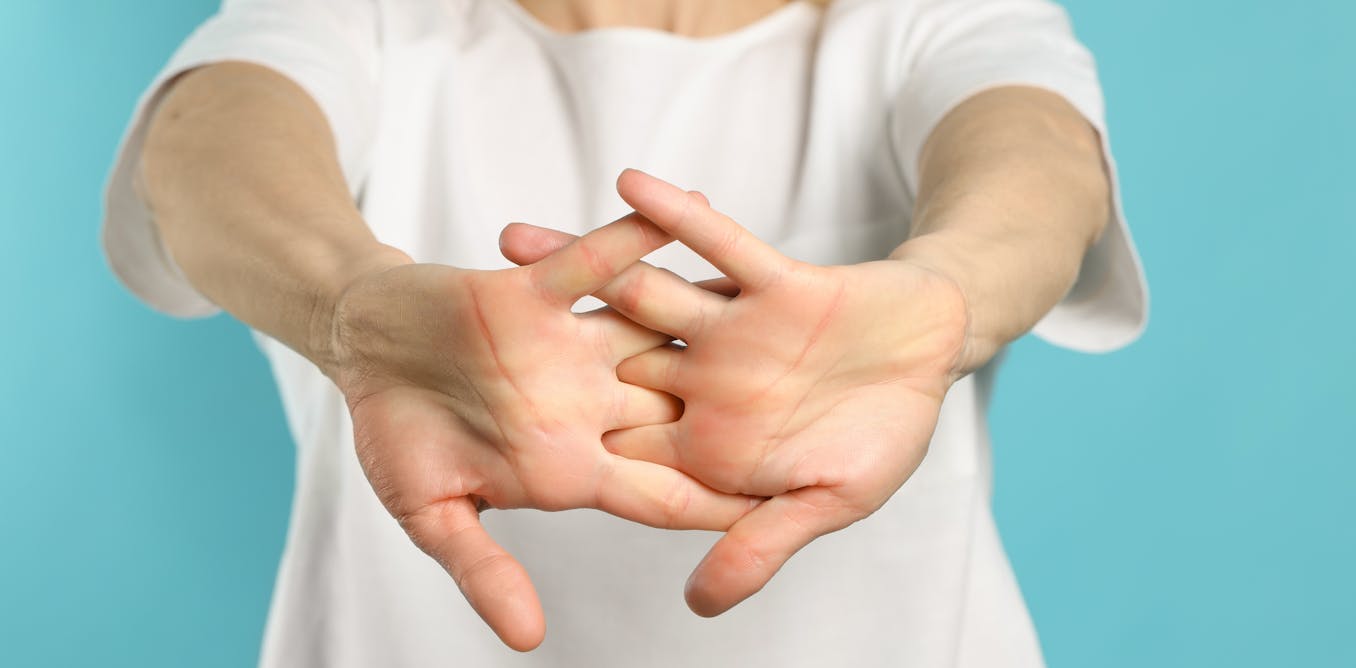
New Africa/Shutterstock Many of us have noisy joints. Knees crack on the stairs, necks pop when we stretch, and knuckles seem to crack almost on demand. These sounds can be startling and are often blamed on ageing, damage or the looming threat of arthritis. As a physiotherapist and researcher of chronic joint pain, I am […]

Continue Reading

What new twins study reveals about genes, environment and longevity

Digital Media Pro/Shutterstock.com Why do some people live to 100 while their sibling dies decades earlier? Is it luck, lifestyle, or something written into their DNA? Relative to many other species, humans are particularly long lived, but there is an ongoing argument about how much of our long lifespan is shaped by our genes and […]

Continue Reading

How our lab is helping develop an Alzheimer’s test that can be done at home

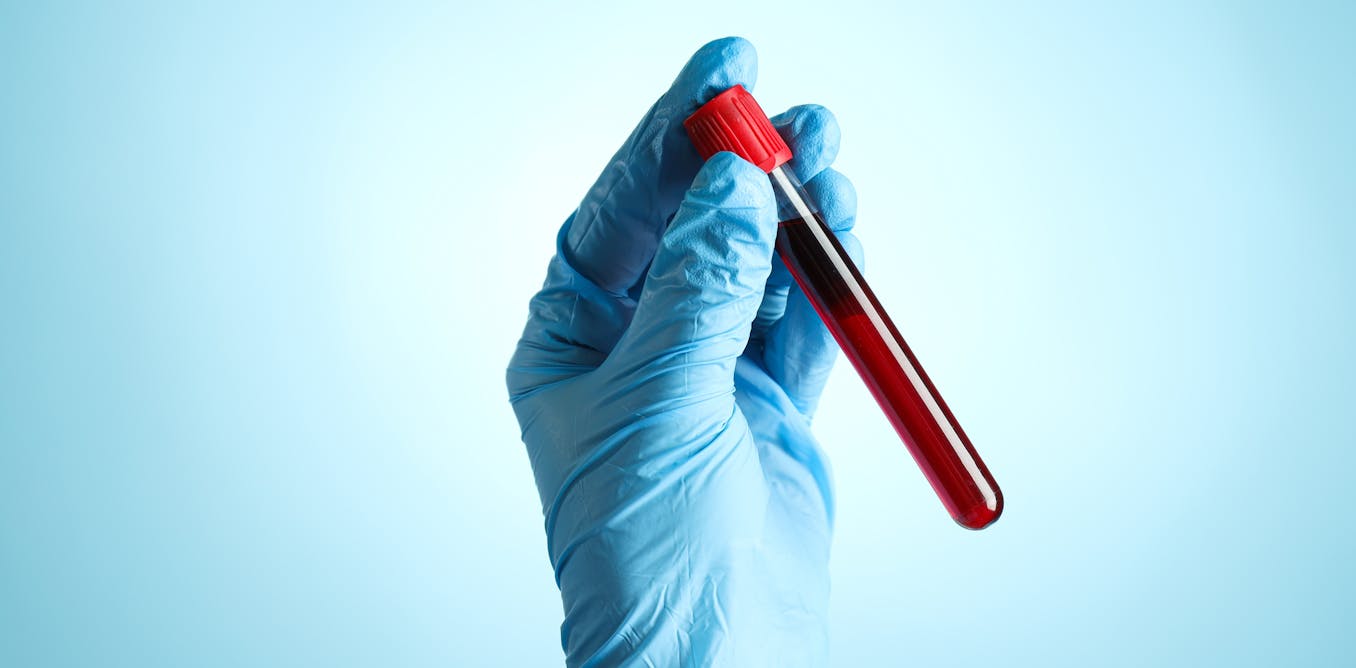
These tests could be done at home, making Alzheimer's diagnosis more accessible. nito/ Shutterstock Imagine diagnosing one of the most challenging neurological diseases with just a quick finger-prick, a few drops of blood and a test sent in the post. This may sound like science fiction, but we are hoping our research could soon help […]

Continue Reading

Bamboo: superfood or superfad? Here’s what our study actually said

boommaval/Shutterstock.com According to the New York Post, our research team has discovered a much-overlooked “superfood”: bamboo shoots. Before you rush out to harvest the ornamental bamboo growing in your garden, there are a few things you should know. We systematically reviewed all the available evidence on bamboo as a food and its effect on human […]

Continue Reading

Haemochromatosis: the iron overload condition that too often goes undiagnosed

The condition causes the body to absorb too much iron from food. AtlasStudio/ Shutterstock When we think about iron imbalance, most people are familiar with iron deficiency and the health problems it can cause. What many may not realise is that the opposite problem, iron overload, can be just as serious – yet many aren’t […]

Continue Reading

From bodybuilding to the local gym: how performance-enhancing drugs can damage the heart

Gym-goers who use IPEDs may not be aware of their heart harms. Andrii Iemelianenko/ Shutterstock Image and performance-enhancing drugs (IPEDs), such as steroids and human growth hormone, can harm the heart – and it isn’t just elite bodybuilders who are at risk. With a growing number of everyday gym-goers taking these drugs to improve their […]

Continue Reading

The truth about energy: why your 40s feel harder than your 20s, but there may be a lift later on

Some of us remember having more energy in our 20s. We could work late, sleep badly, have a night out, recover quickly and still feel capable the next day. By our 40s, that ease has often gone. Fatigue feels harder to shake. It’s tempting to assume this is simply the ageing process – a one‑way […]

Continue Reading