Why do some people react so badly to mosquito bites? The answer lies in mosquito saliva

Your reaction to mosquito bites can even change over time. Marina Demeshko/ Shutterstock Two people spend an evening in the same garden and receive roughly the same number of mosquito bites. By morning, one barely notices them – while the other is covered in large, swollen, intensely itchy welts that linger for days. Most of […]

Continue Reading
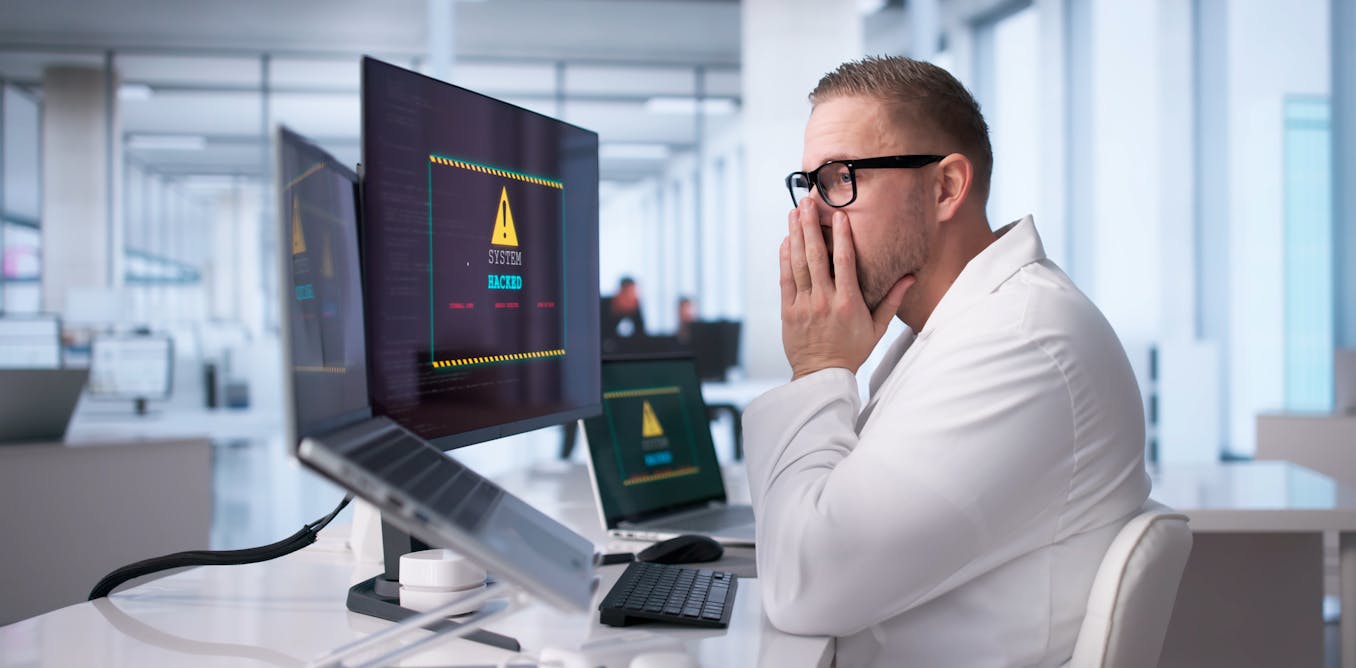

The government wants households to prepare for disaster – but the UK’s real test will be the NHS

shutterstock Andrey_Popov/Shutterstock What happens when the NHS is hit by an emergency it cannot predict? A heatwave can send thousands more people to hospital. A power cut can put patients who depend on electricity at risk. A cyber-attack can suddenly knock out systems that hospitals rely on to function. Government officials told reporters at the […]

Continue Reading

Stockholm syndrome isn’t a diagnosis – so why do we still treat it as one?

Police sharpshooter during the Kreditbanken siege. Roland Janson/Wikimedia Commons Fifty-three years ago, convicted criminal Jan-Erik Olsson walked into a bank on Norrmalmstorg, a square in central Stockholm, pulled a submachine gun from under his jacket and fired at the ceiling. Concrete and glass rained down. “The party has just begun!” he shouted in a fake […]

Continue Reading

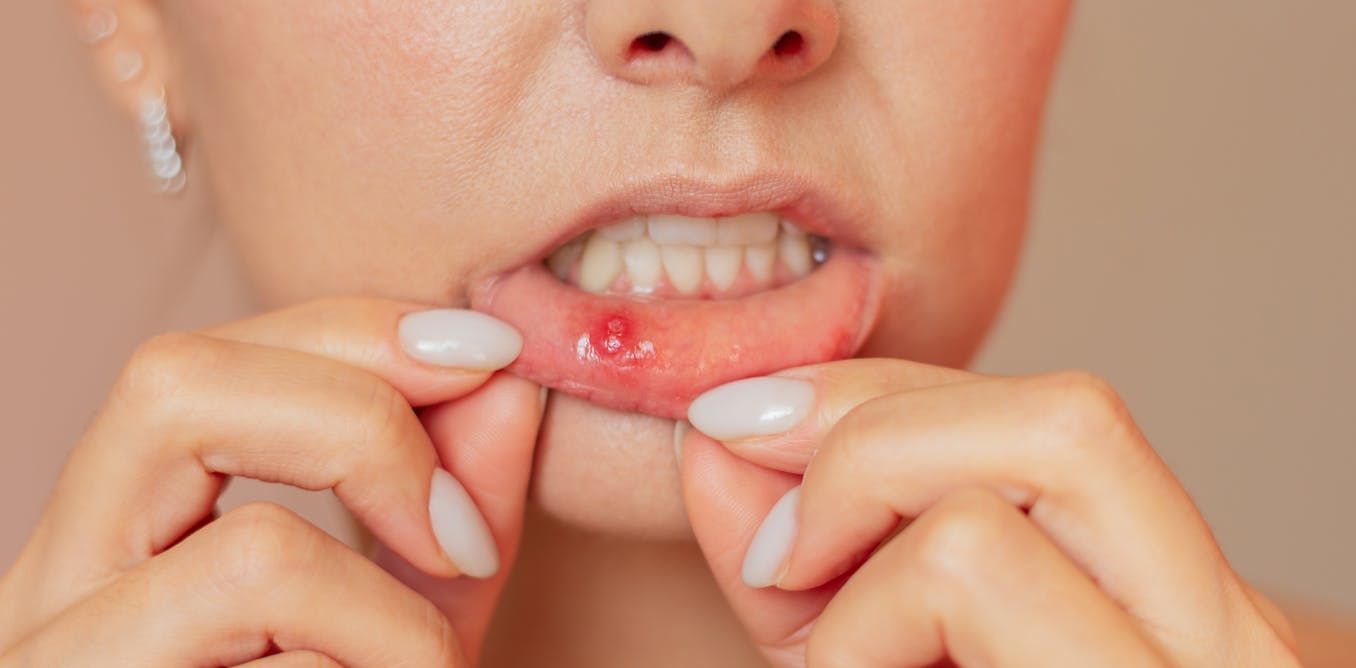
Mouth ulcers: why have I got them and how can I get rid of them?

Olga by Shefer/Shutterstock.com If you’ve ever had a mouth ulcer, you’ll know how much a tiny sore can take over your day. These small, painful patches that suddenly appear inside your mouth make eating, drinking and even talking surprisingly uncomfortable. The good news is that most heal on their own within a week or two. […]

Continue Reading

Introducing our new collaboration: Health Gap – Sundhedskløften

At first glance, Denmark and the UK do not seem to offer obvious health comparisons. One is associated with cycling commutes, harbour swims and pastries. The other with crowded trains, pub lunches and the NHS – a healthcare system that is rarely far from political debate. Beneath those surface differences, though, the foundations are strikingly […]

Continue Reading

Denmark versus UK: which country gets more health for their money?

Denmark and the UK both wear the badge of universal healthcare with pride. Nobody is turned away, nobody is handed a bill on the way out. And the principle – that where you are born or how much you earn should not determine whether you live or die – is sacred in both countries. But […]

Continue Reading

Five ways the human body can sync up with other people

AYO Production/ Shutterstock The myth that when women live together their menstrual cycles become synchronised has long persisted – despite research showing there’s no evidence that this so-called McClintock effect exists. Any overlap that does happen is probably just down to chance. However, just because this isn’t true doesn’t mean our bodies don’t sync with […]

Continue Reading

Restraint in mental health hospitals: what families want staff to understand

myboys.me/Shutterstock A mother discovered her son was restrained 33 times in six weeks. Another was told her distressed daughter is “aggressive” as six staff pin her to the floor and inject her with medication. Through tears, families describe images they cannot forget: bruises, broken bones, loved ones left sitting in urine-soaked clothes, isolated and afraid. […]

Continue Reading

How medieval infertility was experienced and understood

Two lovers, from a 14th-century manuscript of the Le Roman de la Rose. Bibliothèque nationale de France Infertility was a source of stress and sadness for some medieval couples, as it is for modern ones. It was a personal matter, but also a public one. Both families and the church assumed that the purpose of […]

Continue Reading

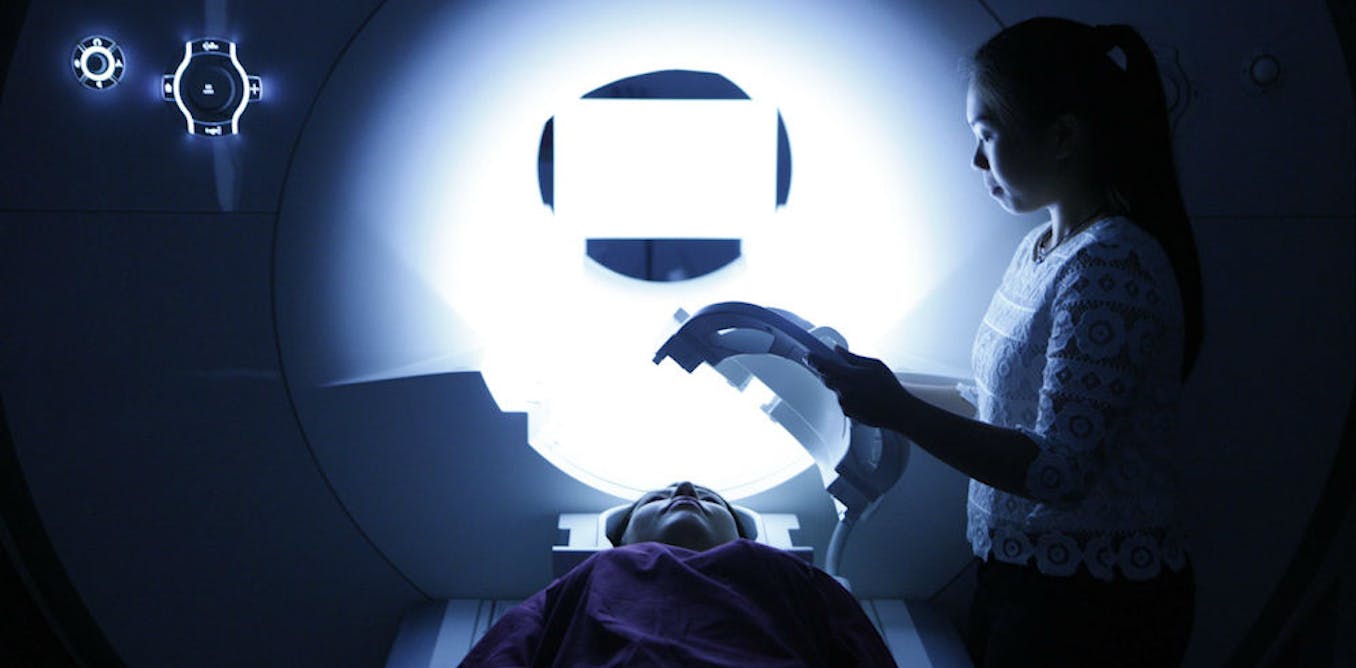
New MRI method could help track Huntington’s disease and its treatments

About 8,000 people in the UK are living with Huntington’s disease, a devastating inherited condition that gradually affects movement, thinking and mood. Now, an advanced type of MRI scan could give researchers a way to estimate the cellular damage it causes in living people, which could eventually help show whether treatments are working. New research […]

Continue Reading