Cover stories (110:10): Inferring plant–plant interactions using remote sensing

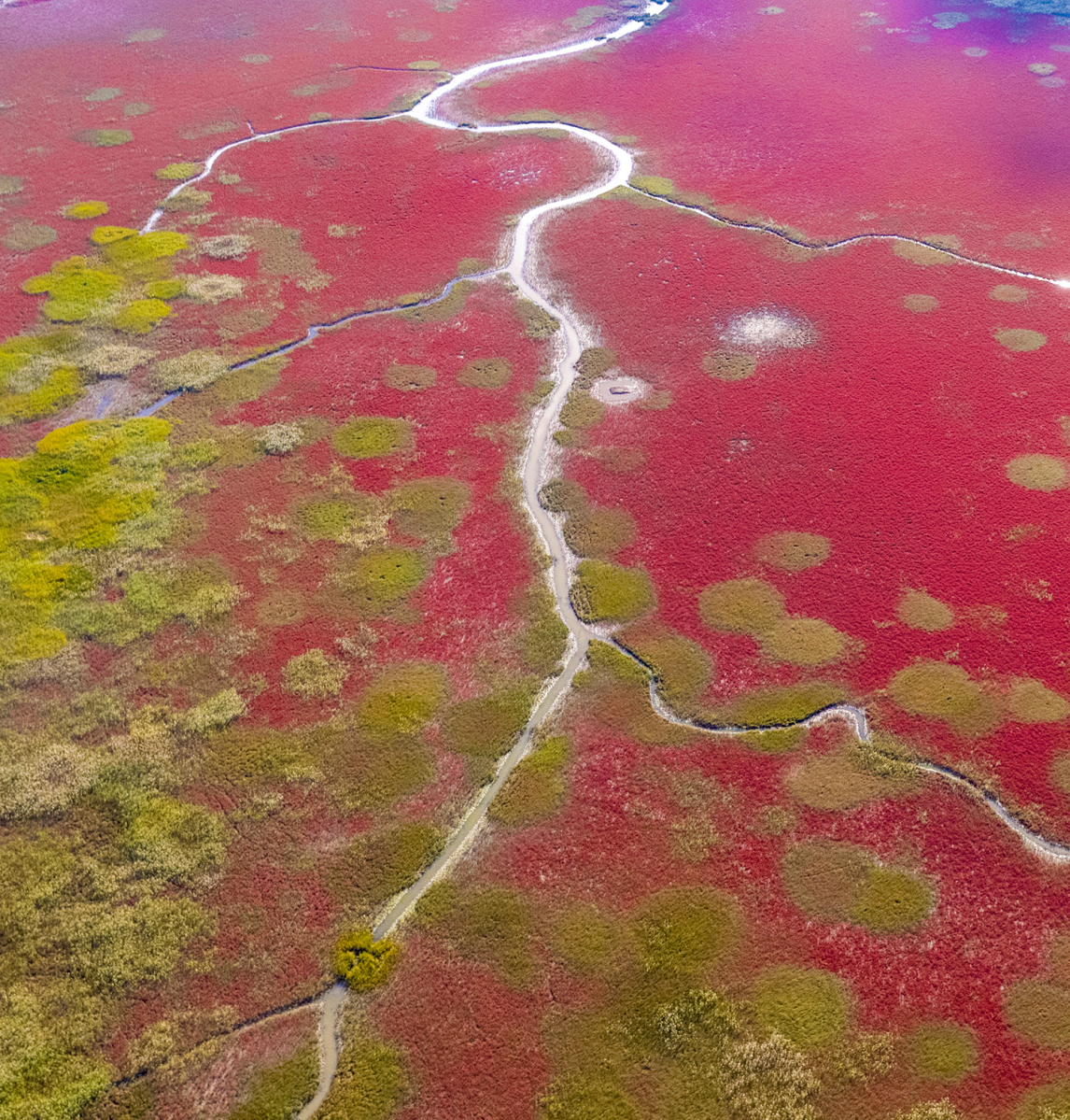
📸Credit: Guoyuan Chen The cover image for our October issue features a typical saltmarsh landscape along the Yellow sea coast, China. This image relates to the article: Inferring plant-plant interactions using remote sensing, by Chen et al. Here, authors Bin Chen, Quan-Xing Liu and Chi Xu tell the story behind the image. Just like us […]

Continue Reading

Writefull trial announced on Journal of Ecology

We are delighted to announce that we have integrated the language editing software, Writefull, into the online submission system of Journal of Ecology.   Writefull is an automatic proofing and editing AI tool trained on published articles from STEM subject areas. It screens text for correctness of grammar, spelling, vocabulary and punctuation, as well more subtle language issues […]

Continue Reading

🏆Eminent Ecologist 2022: Hans Cornelissen (part 3)

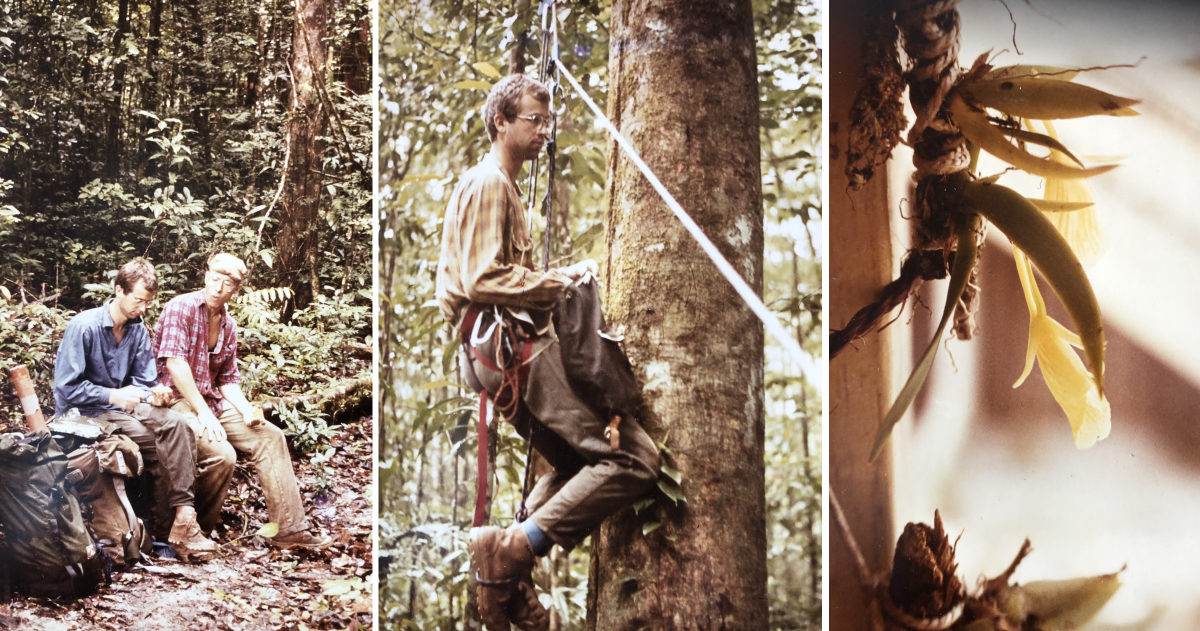
The Journal of Ecology Editors are delighted to honour Hans Cornelissen as our Eminent Ecologist award winner for 2022! In recognition of his work, we asked Hans to put together a virtual issue of some of his favourite contributions to the journal. Hans has also written this blog series related to the virtual issue, linking the main research themes throughout his career, and […]

Continue Reading

Editor’s Choice (110:11): Does the life of the parent affect the fitness of the child, and the grandchild?

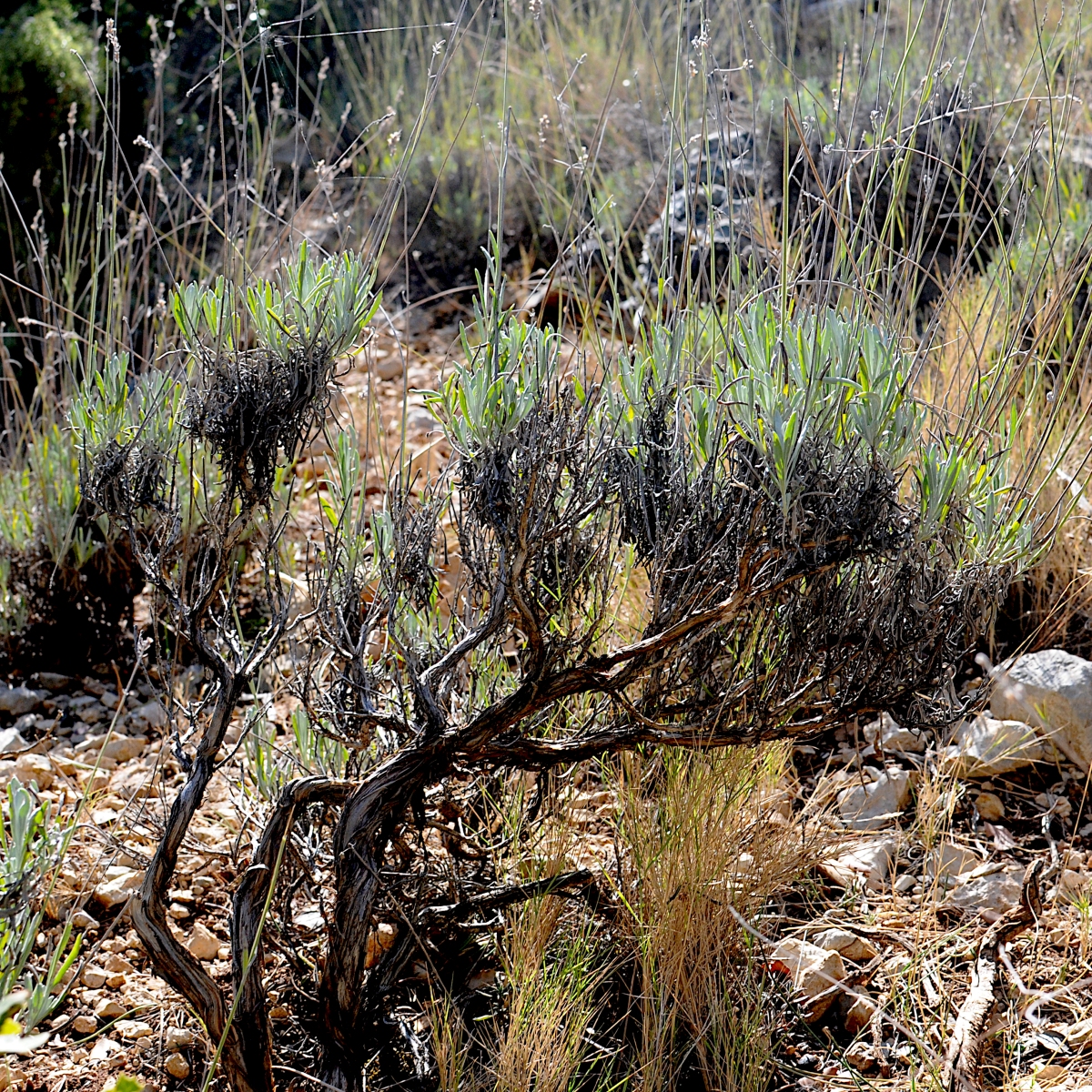
The editor’s choice for our November issue is “Ecological significance of intraplant variation: Epigenetic mosaicism in Lavandula latifolia plants predicts extant and transgenerational variability of fecundity-related traits” by Carlos M. Herrera et al. Here, Associate Editor Richard Shefferson explains the importance of this research:  Plants do some strange things. We are surrounded by plants in our day-to-day lives, […]

Continue Reading

How much genetic variation exists in a plant population?

F. Xavier Picó discusses the recent article: ‘Spatio-temporal dynamics of genetic variation at the quantitative and molecular levels within a natural Arabidopsis thaliana population‘. Find out more about the importance of long term monitoring for investigating genetic diversity. In science, the simplest questions are commonly hard to answer. In the field of plant population biology, […]

Continue Reading