[ad_1]
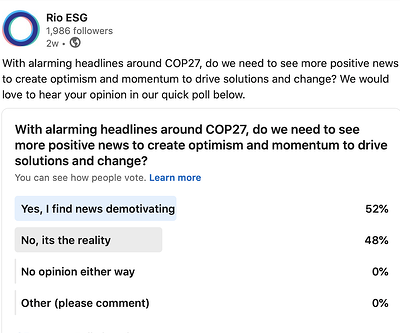
We recently did a poll on whether we need to see more positive news to create optimism and momentum to drive solutions and change or if we need to be confronted with the stark reality of climate change, with a clear split in the results.
[ad_1]
We recently did a poll on whether we need to see more positive news to create optimism and momentum to drive solutions and change or if we need to be confronted with the stark reality of climate change, with a clear split in the results.
[ad_1]
This post is also available in Dutch here.
Nelleke Buitendijk discusses a newly published study from her and her colleagues on the impact of grazing on agricultural grasslands. Highlights include that decreasing herbivore abundance may not directly translate to a decreased yield loss, and that management tools should be used with care.
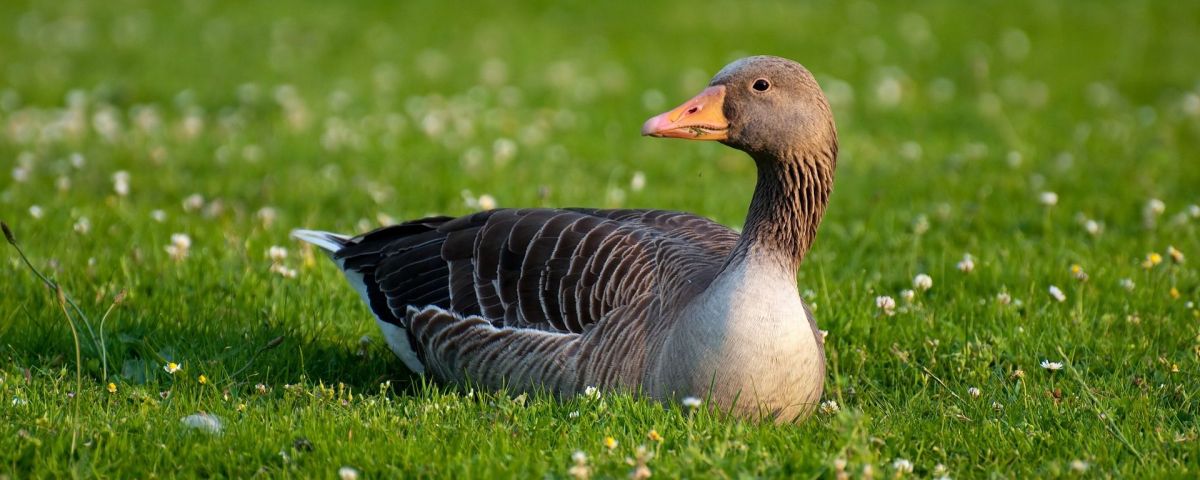
Grazing by geese can cause a lot of damage to agricultural crops. Goose management aims to reduce such damages, for example by actively reducing population sizes. An alternative approach is to chase geese away repeatedly in certain areas – encouraging them to move to dedicated agricultural land where they are left in peace (so-called accommodation areas).
However, many of the goose species that now occur in large numbers were threatened with extinction only a few decades ago, and are still protected as a result. Therefore, we need to be sure that a particular management approach will result in a decreased impact on agriculture before applying it – especially when the approach can have a negative effect on the species in question.
We looked at the relationship between assessed damages on agricultural grassland and the number of geese to help us understand how changing the number of geese in an area can affect yields. We included barnacle, white-fronted and greylag geese in our study, and focused on the first harvest in accommodation areas in Fryslân, the Netherlands. The Dutch Center for Field Ornithology (Sovon) provided detailed monthly goose counts, which we combined with tracking data from geese we equipped with GPS-transmitters. We received reports on assessed damages from BIJ12, who handle compensations for fauna damages in the Netherlands.
Our study in Journal of Applied Ecology shows that yield loss is higher when there are more barnacle geese, but the two do not increase at an equal rate: for every extra barnacle goose added to a field, the subsequent extra damage is a little less. This means that concentrating geese in accommodation areas might result in lower overall yield losses, while population reduction may not be an effective tool to lower damages.
The relationship also depends on the presence of other goose species, with highest damages occurring when there are only barnacle geese on a field. In the region we studied, white-fronted and greylag geese have little effect on the assessed losses to spring harvests. This is likely because these species start their migration to the breeding grounds much earlier than barnacle geese and well before the time of first harvest.
We also see that large flocks of barnacle geese do not occur together with large numbers of white-fronted and greylag geese. This is likely because the species have different food preferences. Barnacle geese have a small bill, and can easily handle short grass, which is more difficult for the two larger species. However, the larger white-fronted and greylag geese have the benefit of a longer digestive tract, which helps to digest tough foods avoided by smaller species. This means that an area suitable for one goose species may be unattractive to another.

It may even be suggested that larger species are pushed out of areas where barnacle geese are abundant, because the grass has been grazed too short. A study in Norway also observed this, with larger pink-footed geese leaving areas where large numbers of barnacle geese had moved.
If these areas are too small to accommodate multiple goose species, large goose species may be forced out of safe accommodation areas. Subsequently, the larger species would suffer more from active scaring or derogation shooting (i.e. chasing geese away by shooting at them, under permit) outside of refuges, while potentially contributing less to agricultural yield loss.
Our results show that we need to be careful when using management practices such as population reduction or active scaring. These practices can negatively affect the animals in question, while not necessarily reducing yield loss. It is also important to ensure that any management targets the right species; some species may affect yields much more than others. Finally, to make sure all species can find refuge, accommodation areas should represent feeding grounds of multiple species, and should be large enough to prevent competition between them.

[ad_2]
Source link
[ad_1]
by Gael O’Brien
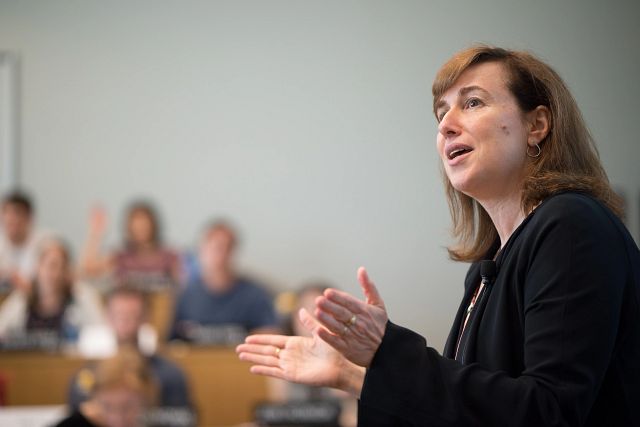
Sigal Barsade, a pioneering researcher on the impact of emotions in the workplace, leaves a legacy for leaders who want to get their culture right. Professor Barsade, the Joseph Frank Bernstein Professor of Management at Wharton, died at 56 in February 2022 of brain cancer. For nearly 30 years, she researched, taught, and consulted on “how emotions shape workplace culture and influence the performance of both individual employees and teams.”
At the beginning of the pandemic, business articles encouraged leaders to lead with empathy. Many did. However, leading with compassion is often more effective. Barsade’s and Olivia O’Neill’s research had already demonstrated that “Employees Who Feel Love Perform Better” and have more job satisfaction and loyalty. The love referenced is “companionate love,” emotions that Barsade knew belonged in the workplace like compassion, caring, kindness and warmth. However, many leaders, she said, haven’t made room for emotions at work or connected love to culture. Their focus is cognitive culture, setting the tone for how employees think and behave at work.
Barsade argued leaders needed to broaden their idea of culture. Emotional culture, she explained “is the set of emotions necessary for a group to enact to meet its goals.” Her work was ahead of its time and so relevant now. Her research on managing emotional culture, how emotions spread (emotional contagion) and balancing cognitive and emotional cultures were followed by next-step approaches. We’ll look at some. Getting culture right means leaders working with culture in its entirety (cognitive and emotional), modeling the behaviors and emotions they want to cultivate supporting employee and company success.
When culture isn’t approached that way, problems multiply. While expressing emotions connected to companionate love support healthy cultures, a recent study indicates toxic cultures are a driver in “the Great Resignation.” In addition, Navex’s 2022 Global Incident Management Benchmark Study documents that workplace incivility is on the rise. Do we really want culture to slide backwards?
Living the Work
Growing up, seeds of Barsade’s big purpose were planted as she listened to her parents talk at dinner about their work days. She learned about the human dynamics of management from their stories. The discussions, she said, gave her an appreciation for the importance of one’s work life. As an undergraduate, she decided her career would involve helping improve people’s work experience. Before getting her doctorate in organizational behavior, she worked as an executive assistant to CEOs in different industries to gain workplace experience.
An advisee of Barsade’s wrote on social media after her death: “She was an unstoppable force. Fierce in advocacy for people and ideas.” Sigal Barsade operated out of high emotional intelligence. She expressed the kindness and care of companionate love, which increased her impact and drew others to her. She wanted business leaders to make room for “feelings people have and express at work.” Wharton Dean Erika H. James, wrote that Barsade “encouraged business leaders to think differently and widen their beliefs about what matters in the workplace.”
Thinking Differently About Culture
The role of emotional culture
A theme throughout much of Barsade’s work is how emotions and managing them are central to building the right culture. Corporate culture contains both emotional and cognitive cultures and each transmits differently. Cognitive culture is often communicated verbally while emotional culture is often communicated nonverbally through facial expressions and body language.
 “Companies that build the optimum ratio of cognitive and emotional culture for their employees,” Barsade wrote and “can succeed in generating the best worker performance with the lowest turnover.” However, when leaders disregard emotional culture, she added, “they overlook a fundamental part of being human and thereby stunt the potential of their companies.”
Employee satisfaction, teamwork, burnout, financial performance, and work absences are influenced by emotional culture. Positive emotions impact quality, better performance, and customer service. If negative emotions are constructive, they can be useful, but otherwise, they can lead to undesirable outcomes. The current rise in toxic cultures would be one example.
Aligning reality with the intention
Barsade wanted leaders to succeed and provided many ideas for identifying and managing emotional culture. Her big picture was to advocate that what’s expressed in mission statements and other company pronouncements is reflected in daily micro-moments. “For example, little acts of kindness and support can add up to an emotional culture characterized by caring and compassion.” Or a manager’s facial expressions and body language consistently looking angry can cultivate a culture of anger.
Identifying a company’s emotional culture
For leaders who don’t know what their company’s emotional culture is, Barsade suggested a process for how they could measure it:
In “Quantifying Your Company’s Emotional Culture”, Barsade and O’Neill point out that groups can have more than one emotional culture. “Once (managers) gauge which cultures are prevalent they can determine which ones they must focus on the most to meet their strategic goals.” Leaders’ behavior is a key tool in changing emotional culture. Their emotional expressions and attitudes influence others.
Emotional Contagion
Employees and leaders at every level “continuously spread their own moods and receive and are influenced by others’ moods.” However, whether negative or positive, emotional contagion can also transfer across workgroups, zoom, “video, television, social media, and even email.”
Barsade wrote that the goal for managers was “an environment that enhances employee engagement and performance by paying attention to the emotional contagion occurring in your team.” She suggested several “action steps.”
What Matters in a Workplace
Whether in a company’s location or a home office, what matters in the workplace are people and how the company’s culture impacts and motivates them.
In a 20-minute talk to leaders preserved on YouTube entitled “All You Need is Love … At Work?,” Barsade summarized what matters most in workplaces. She spoke through the lens of emotional culture’s role in fostering business success. She reminded leaders that employees don’t leave their humanity or their emotions at the door when they walk into an organization.
The focus on the importance of humanity is a theme echoed in a recent Fortune article about what it takes to be a great employer now. Cisco has ranked first in 2022 and 2021 on Fortune’s 100 Best Companies to Work for list. One reason for that, according to Cisco CEO Chuck Robbins, is that:
“Employees don’t want to be employees, they don’t want to work for managers and they don’t want to work for executives. They want to be human beings who work for other human beings. And I think authenticity and the importance of being human, understanding the things they’re dealing with as humans, and building that into how you approach them, is so important.”
Sigal Barsade would agree.
Photos of Sigal Barsade courtesy of The Wharton School.
 Gael O’Brien is a catalyst in leaders leading with purpose and impact through clarity, presence and connection. She is an executive coach, culture coach, speech coach and presenter. She publishes The Week in Ethics and is also a Business Ethics Magazine columnist, on the Advisory Board of the Hoffman Center for Business Ethics at Bentley University, and a Senior Fellow Social Innovation, the Lewis Institute at Babson College.

[ad_2]
Source link
[ad_1]
by Gael O’Brien
EY, the consulting and audit firm, possesses a real sense of irony about ethics.
When the huge global firm earlier this month announced proposed plans to split into two separate organizations – one doing mainly auditing work and the other doing consulting and advisory work – most analysts cited it as an effort to help avoid conflicts of interest between the two businesses. The headline of a Bloomberg Tax article in May 2022 (before EY leaders voted on the split) was “EY Consulting Split Aims to Free Firm from Ethics Crackdown.”
“We firmly believe that we can embrace the changing landscape, build businesses that redefine the future of our professions, create exciting new opportunities, and deliver greater long-term value for EY people, clients and communities,” EY said in announcing the planned changes.
What EY didn’t discuss in its announcement was that only three months ago, in June 2022, EY agreed to pay a $100 million fine and comply with a 16-page Securities and Exchange Commission (SEC) Order that included twenty “undertakings” the firm would pursue over three years to address ethical issues involving “failures to act with the integrity of a public company auditor.” Specified violations included:
Integrity Lite?
Integrity Lite is about words without anchors, like “doing the right thing” (one of EY’s values) and self-justifying the idea that you’re not cheating when, in fact, you are. Ironically, EY’s February 2022 Global Integrity Report helps explain why integrity often stays aspirational and ethical standards aren’t top of mind.
The report surveyed nearly 5,000 board members, senior management, managers, and other employees. Some findings:
These red flags indicate that integrity matters in the big picture but respondents didn’t identify with integrity’s key attributes. For integrity and ethics to take root in every-day work settings, leaders need to explain, model, and act on values and the code of conduct. That works depending on how leaders see and respond to ethical and integrity issues in their own company.
Missing Integrity’s Point
At EY, ethical and integrity issues were words conveyed in values and the new Global Code of Conduct but clearly not a high priority.
In June 2019, the SEC sent EY a formal request asking whether EY knew of any current evidence of cheating. EY had just learned an audit professional had received an unsolicited exam answer key and reported it to a manager who told Human Resources. EY didn’t share the information with the SEC because it wanted to do its own investigation: it addressed instead resolved cheating issues. Nine months later, EY’s investigation finished, it sent information to the SEC. The 2022 Order gave EY credit for “a robust investigation,” but said time was lost and issues overlooked. The Order noted how investors were potentially impacted by EY’s delay:
“EY’s continued misrepresentations to the SEC Division of Enforcement significantly hindered the SEC’s ability to take action that would protect investors from audit professionals who do not understand their ethical obligations, fail to act with appropriate professional integrity and have not met – or needed to cheat in order to meet – minimum professional requirements to demonstrate their knowledge of important accounting principles.”
Included in the “undertakings” are “…policies, procedures and controls relating to ethics and integrity.” Also, EY is required to hire two consultants: one to review EY policies and procedures and the other to review EY disclosure failures. EY created a crisis that could have been avoided. However, being redirected to focus with greater intentionality on culture can enable words on paper to become actions.
Barriers to Ethics and Integrity
Increasingly, disconnects are getting in the way of creating cultures where ethics and integrity have a strong presence. Leaders looking for the disconnects find and resolve them if they want integrity to define their culture and stakeholders’ perceptions.
A barrier to strengthening ethics and integrity is leaders who see their culture as healthier and more ethical than it is. Creating with others company values and code of conduct can make the words chosen already feel engrained when they aren’t.
According to a 2022 Ethics and Compliance Initiative report, only about 15 percent of employees (from small to large organizations) “perceive a strong ethical culture in their organization “A useful question for managers to raise with their teams is: ‘what should a team with integrity act like and what do we need to do more of or less of?’”
The insights in EY’s Global Integrity Report 2022 would’ve been very useful guiding EY in 2019. For example, the Forward indicates another disconnect:
“The challenge is a growing gap between what organizations’ senior leaders say is important and what they are prepared to do for individual gain. What is sometimes called the “say-do“gap is not lost on employees as their confidence in the integrity standards of their management is much less than the managers’ confidence in themselves….”
Many EY audit professionals said they didn’t report exam cheating because they didn’t realize sharing answers was cheating. Others said they didn’t realize they’d violated the code of conduct. Troubling answers. Heavy workloads or not passing the exam previously were excuses from those who cheated. While cheating has no defense, it raises the question, if you want competent professionals, how should a culture support them? If EY had made temporary work adjustments or involved senior CPA’s in ethics training support would that have strengthened the culture and reduced cheating?
Simple Ideas for Reinforcing Ethics and Integrity
To support healthy work cultures, strengthening ethics and integrity is imperative and it will take long-term strategies. However, progress can be made by acting on what makes ethics and integrity more accessible, visible, and tangible. This short list is intended as a thought starter.
Leaders need to guard against being ethically mute. The more they create teachable moments bringing stories involving integrity, ethics, or values into a discussion, the more employees understand the behavior expected.
Strengthening integrity and ethics strengthens leaders and culture. It also sends Integrity Lite to the recycling bin.
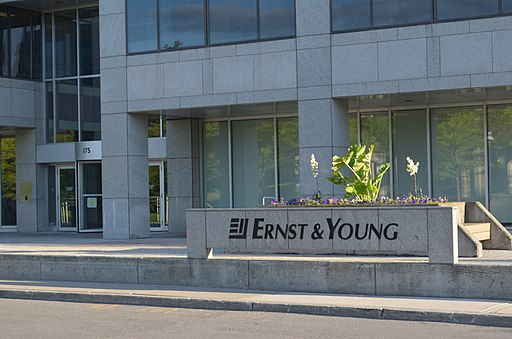
Photo: Raysonho @ Open Grid Scheduler / Grid Engine, CC0, via Wikimedia Commons
 Gael O’Brien is a catalyst in leaders leading with purpose and impact through clarity, presence and connection. She is an executive coach, culture coach, speech coach and presenter. She publishes The Week in Ethics and is also a Business Ethics Magazine columnist, on the Advisory Board of the Hoffman Center for Business Ethics at Bentley University, and a Senior Fellow Social Innovation, the Lewis Institute at Babson College.
[ad_2]
Source link
[ad_1]
COP15 is taking place in Montreal, Canada, from 5 December to 17 December, more than two years after the summit was meant to have taken place. Delegates from across the globe are meeting to produce a Paris Agreement-style deal for nature, resulting in an end to the degradation of biodiversity and the acceleration and mainstreaming of work to restore ecosystems and habitats.
[ad_1]
We are delighted to announce two new Blog Associate Editors who have joined The Applied Ecologist team! In this post, find out more about one of our new recruits, Valentine Seymour.
Hello.
I’m Valentine, one of the new Blog Associate Editor’s for The Applied Ecologist.
I currently live on the edge of the North Downs in Kent, UK and am a Research Fellow, a Knowledge Exchange Fellow and Academic Tutor at the University of Surrey.
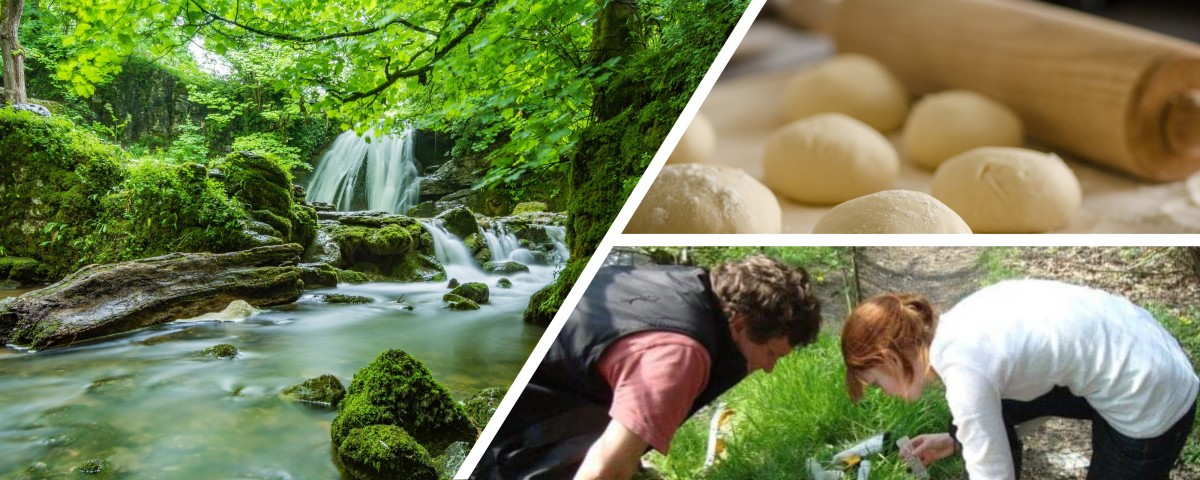
I’ve had a huge passion for ecology (especially rivers) since I was 4 years old and always knew I wanted to work in the environmental field. My other focuses beyond ecology include environmental social science, policy, human-nature relationships, citizen science and conservation management.
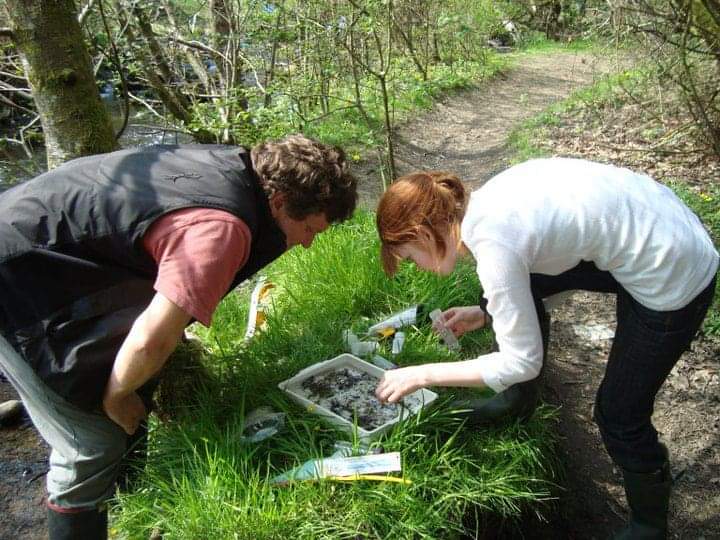
My PhD, focused on the interface between human health, policy, public engagement and the natural environment. During this time, I especially enjoyed working alongside volunteers and citizen scientists to create a wellbeing impact measurement tool. The experience enabled me to truly understanding the ways in which nature improved and supported their health and wellbeing, as well as making a positive difference to their lives.
At present, I am fortunate to be working on the Advocacy for Climate Change and Environment Social Science (ACCESS) project which aims to address key environmental challenges spanning biodiversity, sustainability, and decarbonisation by enhancing the value of social sciences and interdisciplinary work. Specifically, I will be learning from the experiences of social and natural scientists in climate and environment training, research, policy, and practice.
Before this, my passion for ecology led me to work at various places in different professions. This includes the Woodland Trust where I enjoyed writing campaign articles such as the UK ‘Tree Charter’. I have also travelled across the UK as part of my postgraduate degree, examining methane in rivers and what this means for ecology.
More recently, I have engaged with UK policy makers exploring the consequences of policy on air quality and evaluating the newly rolled out extreme Heat and Cold Weather Alert Systems. It was incredibly rewarding to see first-hand how my research is making a difference to society and how we are adapting to changing weather patterns resulting from climate change.

Outside of work, you are likely to find me at some natural beauty spot in Kent exploring new walks, taking photos or skimming stones on the beach. If it’s raining, then you’ll find me at a local garden centre or visiting museums in Kent with a coffee.

I am also a passionate traveller and enjoy many hobbies, including writing, baking, and gardening.
I am really excited to be joining the team and keen to put a spotlight on citizen science, environmental policy, early career researchers and of course the British Ecological Society’s Special Interest Groups! I am also looking forward to gaining more experience in publishing and engaging with many of you in ecological research and practice.
[ad_2]
Source link
[ad_1]
With ESG data, users can benchmark a firm’s ESG ratings against its peers and across its industry.

[ad_1]
Reportlinker.com announces the release of the report “ESG in the Automobile Industry“.
The detail analysis of automobile industry supply chain with respect to ESG is provided in the report. The detailed analysis of regulation for automobile industry is given in the report.
Further, it explains the major drivers, retains as well as trends impacting ESG implementation across automobile industry.
See related articles: Toyota to Invest Over $5 Billion in Japan/U.S. EV Battery Production, BMW Group Announces $1.7 Billion Investment to Build Electric Vehicles in the U.S., Intercontinental Exchange and McLaren Racing Launch New Partnership With Amplified Focus on Sustainability and Diversity
Report Includes:
– An overview of the recent trends and advancements with respect to ESG (Environmental, Social, and Governance) factors in the automotive industry
– Technology assessment of the market growth opportunities and challenges pertaining to the ESG implementation in automotive manufacturing companies and other key industry participants
– Review of ESG-related case studies and an industry overview of the automotives
– Discussion of the industry value chain analysis providing a systematic study of key intermediaries involved, current trends in the ESG industry, regulatory frameworks, market demands and growth forecasts in developed as well as developing economies
– Identification of the key players offering ESG services
– A look at the steps taken towards the ESG sustainability and recommendations for the future of the automobile industry
Summary:
The three pillars of environmental, social and governance (ESG) define the standards and practices that, taken as a whole, reveal an organization’s commitment to operating sustainably.Thanks to ESG reporting, organizations can comprehend and communicate the risks and opportunities related to their business activities.
Furthermore, with the help of ESG reporting, businesses can set goals and metrics, monitor performance and manage change, in order to make their operations more sustainable and more in line with the values of their shareholders. Organizations can also comprehend and communicate the opportunities and risks associated with their corporate activities through sustainability
reporting.
To evaluate levels of maturity concerning environmental impacts, compliance with health and safety requirements, business conduct relating to corruption and bribery, business ethics, and policies on essential areas like modern slavery and human trafficking, ESG performance is typically measured using numerical values.
Read the full report.
Source: Reportlinker
[ad_2]
Source link
[ad_1]
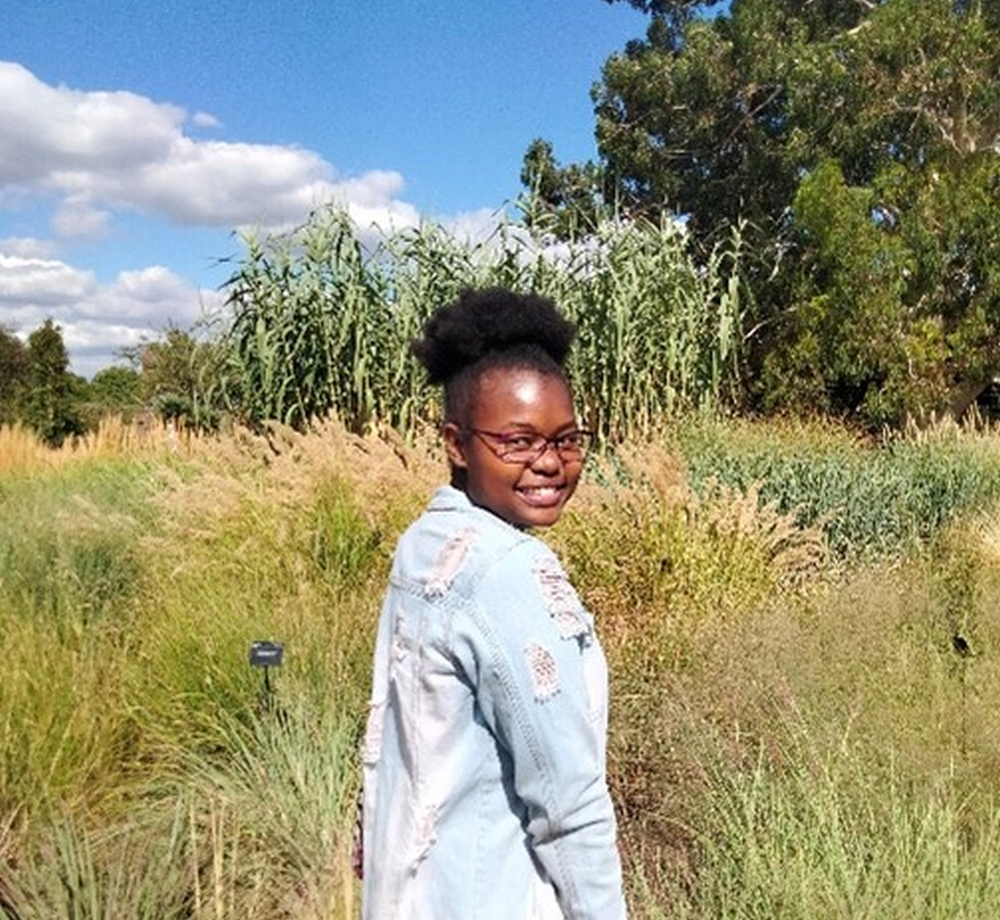
For Black History Month, the British Ecological Society (BES) journals are celebrating the work of Black ecologists from around the world and sharing their stories. The theme for UK Black History Month this year is Time for Change: Action Not Words. Londiwe Mokoena—a postgraduate student at the University of the Witwatersrand, South Africa—shares her story below.
If someone had told me at the beginning of this year that I would be writing about my journey as an ecologist—in a blog celebrating Black ecologists from around the world—I would’ve told you that I was an aspiring ecologist as opposed to an ecologist. My journey in finding my voice, and occupying space in the world of ecology, confidently and loudly begins with this blog. My name is Londiwe Mokoena—I am a postgraduate student—currently completing my MSc in Animal, Plants and Environment Sciences at the University of the Witwatersrand, South Africa—with a passion for savanna and fire ecology, and a mild obsession with grasses.
I would like to say I stumbled upon ecology; however, in total honesty my interests peaked at a very early age—I was just unaware. One thing I remember about my childhood is watching national geographic shows with my Dad every Sunday at 5pm. Unbeknownst to him, he sparked an interest in me at the age of 5. My flame was further ignited when I joined the scouts in primary school. Fortunately for me, the school I went to was part of the Eco-Schools Program sponsored by the WESSA and Birdlife. In this program, they took young promising students from townships and exposed them to environmental studies—this is where I learnt about birdwatching and plant identification skills. I then enrolled for a degree in biological sciences at the University of Witwatersrand and, in my 3rd year, I was fortunate to work as an assistant for Prof. Sally Archibald—a lecturer in one of my 2nd year modules. Working for and being mentored by Prof. Archibald exposed me to the world of savanna and fire ecology. This led me to develop an interest in grasses, and I enrolled for my Honours and am now pursing an MSc under the guidance of Prof. Archibald, Dr. Caroline Lehmann from the University of Edinburgh, and Dr. Anabelle Cardoso from the University of Buffalo.

My MSc aims to determine and quantify drought strategies in C4 grasses in southern Africa. This will hopefully help us to understand the links between drought tolerance and flammability in southern African grasses. In particular, I am looking at how the drought strategy of different grass species drives their seasonal patterns of leaf display (phenology)—this is largely experimental and has direct implications for understanding the distribution of grass species across southern Africa, as well as how they will respond to global change. This study aims to fill an important gap in correlative studies of species distribution modelling by developing a mechanistic understanding of the processes limiting different grass species across the region. So far, my results suggest that C4 grasses have varied drought strategies which can be linked to safety-efficiency trade-offs—as previously demonstrated in woody species. This suggests that grasses with low stomatal control (efficient) cure faster than those with a high stomatal control (safe) at the end of the dry season; thus, possibly resulting in longer dry, and more flammable, seasons.
The thing that I enjoy most about my research, and ecology in general, is that it allows me to ask questions and find innovative ways to solve problems—I get to work in an applicable science that also has an impact in the world. Furthermore, I especially enjoy that I am able to work on producing an African perspective of ecology. Lastly, I thoroughly enjoy all of the beautiful landscapes that I get to work in, and, of course, all of the grass species that I get to learn about and identify!

I am looking to expand my science network and meet other fellow grass/grassland enthusiasts! I am also looking for any PhD opportunities in savanna/grass ecology for 2023. I am also open to internship opportunities, I am interested in working in a collaborative setting where I can contribute to studies and gain necessary experience. I would love to be part of a global community of ecologists where we are all engaged in sharing and discussing research.
One of the downsides in STEM fields is the lack of representation and inclusion. I have not had the privilege to cross paths with a lot of black ecologists in the many years I have been in this field; however, fortunately I met Dr. Sivuyisiwe Situngu who is currently a lecturer in the School of Animal, Plant and Environmental Sciences at Witwatersrand University. In 2019, she made the Mail and Guardian top 200 Young South Africans list in Science and Technology. She obtained her BSc Honours in Biodiversity Conservation from Rhodes University, and her PhD in Ecology, also from Rhodes. The title of her PhD thesis is “Studies in leaf domatia – mite mutualism in South Africa”. Watching her enter, navigate, and thrive in the world of ecological academia has been very inspirational. It is such an honour to be part of the 2023 group of black ecologists in this British Ecological Society blog series. This has given me a chance to evaluate all my achievements and see my growth over the years in my academic journey. I can boldly say that I am a black ecologist!
Although I did not see a lot of black ecologists when I started my journey in ecology, I am however at ease with knowing a lot of my peers are entering this field that are doing amazing work! With this new generation of black scientists, I hope that there will be more visible representation for aspiring young black researchers.
I want to give a shout out to the following individuals:
Enjoyed the blogpost and want to reach out to Londiwe? Contact her via Twitter or email!
[ad_2]
Source link