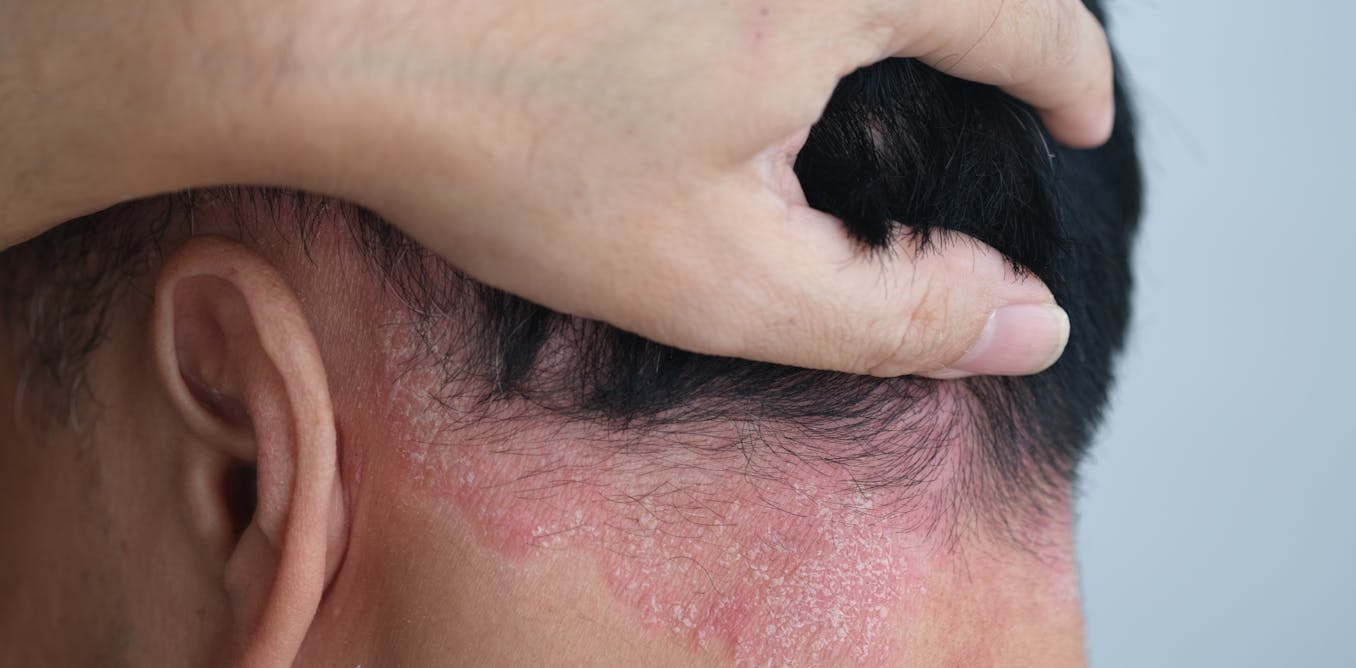
For many people living with psoriasis, the red, scaly skin patches are only part of the story. Another challenge is the uncertainty about whether there is anything they can do themselves to help manage their skin.
Treatments have improved greatly in recent years. Creams, tablets and injectable medicines can all help control symptoms. Even so, many people still ask a straightforward question in clinic: is there anything I can do alongside my medication that might make a difference? Weight often comes up in that discussion. Psoriasis is more common in people who are overweight or living with obesity.
Research now shows that, for people who are overweight, losing weight can improve both the severity of psoriasis and overall quality of life.
Doctors have long suspected that weight loss could help, but earlier research was inconsistent. Many studies were small, short term and did not always measure how people felt in everyday life. As newer weight loss treatments have become more widely available, it has been important to take another look at the evidence.
Body weight and psoriasis severity
To provide a clearer picture, my colleagues and I reviewed the highest quality studies available on weight loss support for people with psoriasis. In these studies, participants were randomly assigned to one of two groups. One group received structured support to help with weight management alongside their usual psoriasis care. The other group continued with usual care alone. Random assignment helps ensure that any differences seen are likely to be due to the support itself, rather than other factors.
The programmes varied. Some focused on reduced calorie diets. Others combined diet with exercise or behavioural support, such as coaching and goal setting to help people stick with changes. A small number included weight loss medicines. In all cases, researchers carefully measured both weight change and changes in the skin.

NinaKulagina/Shutterstock
Across the studies, people who received weight management support lost about seven kilograms more on average than those who did not. Their psoriasis improved more as well. Doctors’ assessments of skin severity showed greater improvement, and participants were more likely to experience a substantial reduction in their plaques, which are the thick, inflamed patches of skin typical of psoriasis. They also reported better day to day wellbeing, suggesting the changes were noticeable in everyday life, not only in clinical measurements.
Two patterns stood out. Greater weight loss was generally linked with greater improvement in psoriasis. People who started with more severe psoriasis often saw larger benefits.
This does not mean weight is the sole cause of psoriasis. Psoriasis is a complex condition involving the immune system, which is the body’s defence against infection, and it is influenced by both genetics and environmental factors. However, body fat is biologically active. It produces chemicals that promote inflammation, which is the body’s response to injury or illness. These chemicals circulate in the bloodstream and can affect many organs, including the skin. Reducing excess weight may lower this background inflammation and help calm the overactive immune response seen in psoriasis.
No single diet emerged as clearly superior. The studies used different approaches, yet the common factor linked with skin improvement was weight loss itself. This suggests there is no single diet that everyone must follow. Instead, supported and sustainable weight loss appears to be the key factor.
Ljupco Smokovski/Shutterstock
For patients, this is important. People with psoriasis were involved in shaping how we interpreted the findings. Some said they had wondered whether changing their diet or losing weight might help, but were unsure whether there was solid evidence. Others said they would feel more motivated knowing that weight management could benefit both their general health and their skin.
Read more:
Five things I wish everyone knew about weight loss – by an expert in nutrition
For clinicians, clearer evidence also helps. Conversations about weight can be sensitive. Without strong data, it can be difficult to raise the topic in a confident and constructive way. Bringing together the available trial evidence provides a stronger basis for these discussions when they are relevant to the person.
Another treatment tool
There are still limits to what we know. Most of the studies lasted only a few months. Psoriasis is a long term condition, and maintaining weight loss over time can be difficult. We cannot yet say with certainty how long the skin improvements last over several years.
Weight management is also shaped by many factors, including access to affordable healthy food, safe places to exercise, mental health and other medical conditions. Support needs to be practical, realistic and free from judgement.
Read more:
Obesity care: why “eat less, move more” advice is failing
Even with these limits, a consistent picture emerges when the trials are considered together. Adding structured weight management support to usual psoriasis treatment is likely to improve skin severity and quality of life for many people who are overweight.
This does not replace medical treatment. It also does not mean that everyone with psoriasis needs to focus on weight. But for those who are interested, there is now clearer evidence that weight loss can form part of overall care.
For someone living with psoriasis, that knowledge can change how much control they feel they have. Alongside prescribed treatments, there may be another tool available that benefits both the skin and overall health.

Sarah Morrow receives funding from the National Institute for Health and Care Research (NIHR) and has previously received funding from the British Skin Foundation.