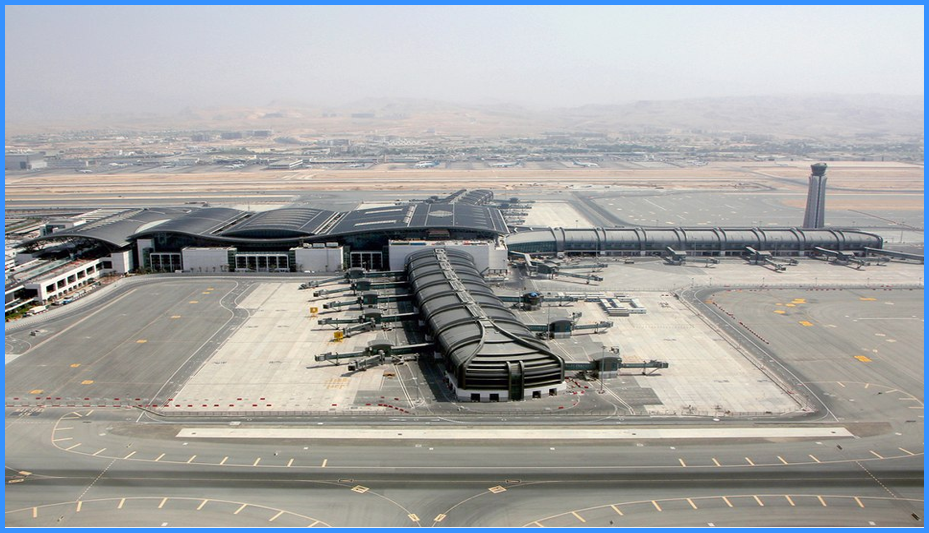
MUSCAT / DUBLIN — A government-chartered flight carrying 194 Irish citizens and their families departed Muscat International Airport on Saturday, March 7, 2026, marking a major milestone in the State’s effort to extract vulnerable nationals from the intensifying Middle East conflict. The flight, which was delayed by 24 hours due to what officials described as a “highly challenging and volatile” operational environment, is expected to touch down at Dublin Airport late tonight following a scheduled stopover in Cairo.
The mission, coordinated by the Department of Foreign Affairs (DFA), prioritized those with urgent needs, including children, the elderly, and those requiring medical attention who had been stranded since the outbreak of hostilities on February 28.
Navigating the “Oman Bridge”
The logistics of the evacuation underscore the complexity of moving civilians through a war zone. Most of the 194 passengers were transported from the UAE to Oman via a six-hour bus convoy organized by Irish Embassy teams in Abu Dhabi and Dubai.
- The Saturday Surge: After the original Friday departure was scrubbed for security reasons, the Department of Foreign Affairs covered the overnight hotel costs for all passengers in Muscat, ensuring they remained in a “secure bubble” until takeoff.
- Cost-Sharing Model: Passengers over the age of 16 contributed a subsidized €800 toward the cost of the flight—a model mirroring the repatriation efforts seen during the 2020 pandemic—while children under 16 traveled free of charge.
- Capacity and Demand: While the aircraft has a total capacity of 280 seats, officials confirmed that 194 people boarded this initial rotation. Minister for Foreign Affairs Helen McEntee noted that “several hundred calls” were made directly to citizens to finalize the manifest.
A Lifeline Amid Regional Paralysis
The charter flight is a critical “safety valve” for the estimated 24,000 Irish citizens currently registered across the Gulf region. While commercial flights from Dubai to Dublin have begun a staggered resumption, capacity remains severely limited.
“Intensive efforts to bring Irish citizens home are continuing,” Minister McEntee stated on Saturday. “We are in direct contact with citizens in other countries, including Qatar and Kuwait, to explain what options may become available as the situation evolves.”
The arrival of the flight in Dublin tonight will be met by DFA consular staff and representatives from the Irish Red Cross to provide onward support for those who have spent the last week sheltering from missile fire and navigating closed borders.
The Widening Net
Despite the success of the Oman departure, the government remains on “high alert.” With over 2,300 queries logged by the Consular Crisis Centre since last weekend, officials are weighing the necessity of further charter operations. For now, the focus remains on the “Oman Bridge” and encouraging those who can secure commercial seats via European hubs to do so immediately.
As the 194 passengers cross Mediterranean airspace tonight, their journey represents the first successful large-scale government extraction of Irish nationals since the “war of missiles” began—a moment of profound relief for families waiting at Terminal 1.
Oman-International-Airport-Muscat-Flickr-Picture-By-Konstantin-von-Wedelstaedt.