Author: Human Rights Watch

  • South Korea’s Climate Law Ruling a Win for Human Rights

    South Korea’s Climate Law Ruling a Win for Human Rights

    [ad_1]

    Last month, South Korea’s Constitutional Court held that the country’s current climate measures were insufficient for safeguarding citizens’ rights, particularly those of younger generations, who will bear the brunt of the effects of climate change. The ruling is the first of its kind in Asia, and could set a powerful example for the rest of the region.

    The groundbreaking decision found that South Korea’s climate measures violate provisions in its constitution that grant citizens the rights to live in “a healthy and pleasant environment” and to “liberty and happiness of [theirs] and [their] posterity forever.” The National Assembly of the Republic of Korea is now required to amend the law and create year-by-year carbon-reduction targets for 2031 to 2049 by February 2026.

    The ruling comes after four years of climate litigation lawsuits that comprised 255 plaintiffs, many of whom were minors when the cases were filed. The decision is a crucial acknowledgment that climate change will tangibly threaten the rights of young South Koreans. Yet, optimism for action is tempered by South Korea’s historically weak track record on climate legislation.

    In 2021, the National Assembly passed the Framework Act on Carbon Neutrality and Green Growth for Coping with Climate Change, pledging significant greenhouse gas reduction by 2030 and total carbon neutrality by 2050. But progress has been sluggish. In the latest available data from 2023, only about 9 percent of South Korea’s electricity comes from renewable sourcesfar below the 34 percent average among Organization for Economic Cooperation and Development (OECD) countries.

    Additionally, South Korea has not met carbon reduction benchmarks to reach its 2030 or 2050 goals, much less its obligations under the Paris Agreement. Movement on environmental legislation remains low, with numerous carbon reduction bills pending in the National Assembly. One such bill calls for the implementation of a carbon tax, a measure aimed at reducing emissions by an estimated 330 million tons of carbon dioxide equivalent between 2026 and 2030.

    The Ministry of Environment has expressed support for the court’s decision and announced plans to respond with follow-up measures. Now, President Yoon Suk-yeol and the National Assembly should act decisively to honor the ruling. Bipartisan support for robust climate legislation to ensure carbon reductions is essential for South Korea to meet its carbon reduction goals and align its actions with its climate promises – or risk leaving its youth to face preventable environmental harms.

    [ad_2]

    Source link

  • Gaza: Israeli Military’s Digital Tools Risk Civilian Harm

    Gaza: Israeli Military’s Digital Tools Risk Civilian Harm

    [ad_1]

    (Jerusalem, September 10, 2024) – The Israeli military’s use of surveillance technologies, artificial intelligence (AI), and other digital tools to help determine targets to attack in Gaza may be increasing the risk of civilian harm, Human Rights Watch said today in releasing a question and answer document about the tools. These digital tools raise grave ethical, legal, and humanitarian concerns.

    The Israeli military is using four digital tools in the Gaza hostilities to estimate the number of civilians in an area prior to an attack, notify soldiers when to attack, and to determine whether a person is a civilian or a combatant, as well as whether a structure is civilian or military. Human Rights Watch found that the digital tools appear to rely on faulty data and inexact approximations to inform military actions in ways that could contravene Israel’s obligations under international humanitarian law, in particular the rules of distinction and precaution. 

    “The Israeli military is using incomplete data, flawed calculations, and tools not fit for purpose to help make life and death decisions in Gaza, which could be increasing civilian harm,” said Zach Campbell, senior surveillance researcher at Human Rights Watch. “Problems in the design and use of these tools mean that, instead of minimizing civilian harm, the use of these tools could be resulting in the unlawful killing and wounding of civilians.”

    These tools entail ongoing and systematic surveillance of Palestinian residents of Gaza, including data collected prior to the current hostilities, in a manner that is incompatible with international human rights law. The tools use Palestinians’ personal data to inform threat predictions, target identification, and machine learning.

    Human Rights Watch relied on public statements from Israeli officials, previously unreported material published by the Israeli military, media reports, and interviews with experts and journalists, to assess the four tools, which the Israeli military has used in the hostilities in Gaza since October 7, 2023. This information, while incomplete, provides important details about how these tools work, how they were built, what data they use, and how they could support military decision-making.

    These include a tool based on mobile phone tracking to monitor the evacuation of Palestinians from parts of northern Gaza, where the Israeli military ordered the entire population to leave on October 13; a tool that generates lists of buildings or other structural targets to be attacked, called “The Gospel”; a tool that assigns ratings to people in Gaza related to their suspected affiliation with Palestinian armed groups, called “Lavender,” for purposes of labeling them as military targets; and a tool called “Where’s Daddy?”, which purports to determine when a target is in a particular location – often their presumed family home, according to media reports – so they can be attacked there.

    These tools are limited by issues common to other types of technology, but in military contexts they can have deadly consequences for civilians. Two of these tools, the evacuation monitoring tool and Where’s Daddy?, are apparently used to inform determining targets, troop movement, and other military actions using mobile phone location data. Although they have many practical uses in daily life, these tools are not accurate enough to inform military decisions, especially given the massive damage to communications infrastructure in Gaza.

    Two of the digital tools, the Gospel and Lavender, appear to rely on processes of machine learning to inform targeting decisions using criteria developed by an algorithm that is most likely biased and incomplete, and in a process that is technically impossible to scrutinize. Algorithmic outputs often reflect the biases of their programmers and their society. And while they may appear to be neutral, digital tools are often given excessive trust by human operators even though they are only as accurate as the data they were built with, which in military contexts is often incomplete and not fully representative of the context in which the tool is operating. Relying on these algorithms risks contravening international humanitarian law obligations regarding the protection of civilians.

    Lavender and the Gospel rely on machine learning to distinguish between military objectives and civilians, and civilian objects. Machine learning is a type of AI that uses computerized systems that can draw inferences from data and recognize patterns without explicit instructions. Using it to assign suspicion or inform targeting decisions can increase the likelihood of civilian harm.

    It has not been possible to document when and where the Israeli military is using these digital tools or the extent to which they have used these tools in conjunction with other methods of information and intelligence collection.

    The Israeli military should ensure that any use of technology in its operations complies with international humanitarian law. No targeting decisions should be made based solely on recommendations by a machine learning tool. If Israeli forces are acting upon any of these tools’ recommendations or assessments without sufficient scrutiny or additional information – as has been reported – resulting in attacks causing civilian harm, Israeli forces would be violating the laws of war. Committing serious violations of the laws of war, such as indiscriminate attacks on civilians with criminal intent, are war crimes.

    Israel should also ensure that as it is an occupying power in Gaza, its use of digital tools does not violate the privacy rights of Palestinians. In May 2024, Human Rights Watch discovered data posted publicly online by the Israeli military, apparently erroneously, that included what appears to be operational data related to systems used for monitoring the evacuation and movement of people through Gaza, as well as for projecting the likely civilian harm that would be caused by attacks in particular areas. The data was included in the source code of the Israeli military’s evacuation information website and included personal information and the surnames of the most populous extended families in each block.

    The Israeli army’s publication of this data online violates Palestinians’ right to privacy and demonstrates that the military is not taking adequate security precautions with the data it collects, Human Rights Watch said.

    Human Rights Watch sent a letter to the Israeli military on May 13 with detailed questions, but the military has not responded.

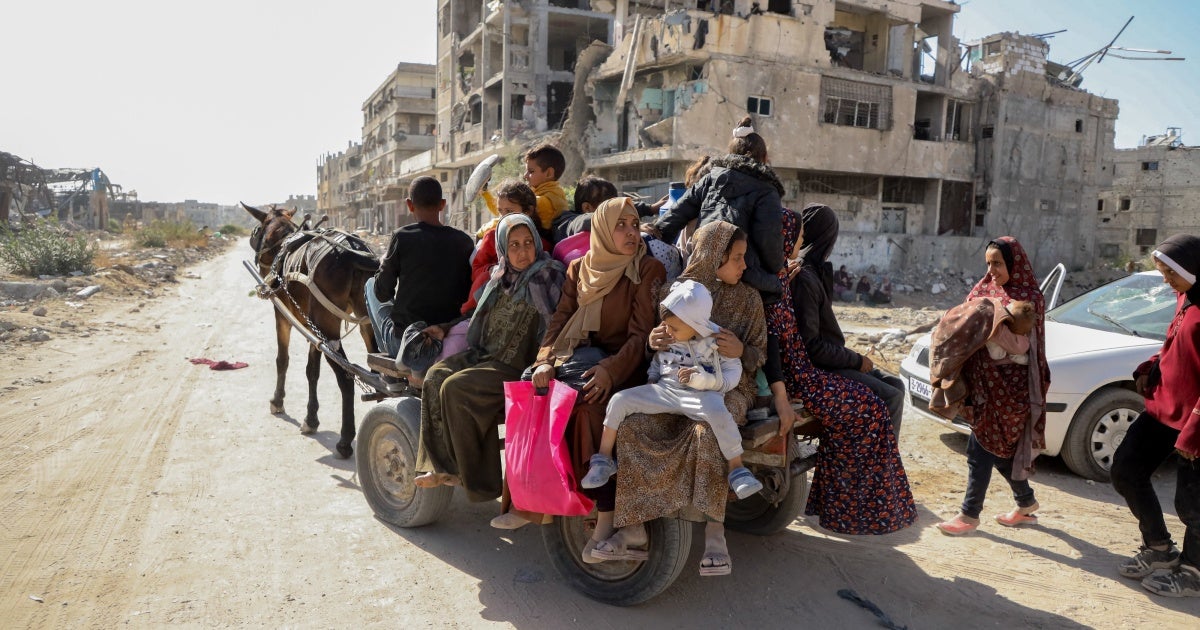
    Over the past 10 months in Gaza, over 40,000 people have been killed and 94,000 injured, according to the Gaza Health Ministry. Over 70 percent of civilian infrastructure and over 60 percent of civilian homes have been destroyed or severely damaged. Virtually all of Gaza’s residents have been displaced from their homes. Impartial investigations into the use of these digital tools is needed to determine whether and to what extent they have unlawfully contributed to the loss of civilian life and property, and the steps that are needed to prevent future harm, Human Rights Watch said.

    “The use of flawed technology in any context can have negative human rights implications, but the risks in Gaza couldn’t be higher,” Campbell said. “The Israeli military’s use of these digital tools to support military decision-making should not be leading to unlawful attacks and grave civilian harm.”

    [ad_2]

    Source link

  • Libya: Slow Flood Recovery Failing Displaced Survivors

    Libya: Slow Flood Recovery Failing Displaced Survivors

    [ad_1]

    (Amman) – Libyan authorities are failing to provide adequate compensation and reconstruction support a year after devastating floods wrecked the eastern Libyan city of Derna and left thousands dead or missing, Human Rights Watch said today. Armed groups have yet to face accountability for emergency response failures that prevented people from seeking safety. 

    The slow recovery and lack of a national response plan is having a severe effect on the economic rights of survivors, including to housing, health, electricity, and education. Flood survivors said they face hurdles getting equitable compensation and reconstruction support amid a political stalemate, severely limiting the ability of displaced people to return to their homes. In Derna, the hardest hit city, devastation and damage to infrastructure remains widespread, including to homes, water and sanitation networks, electricity grids, hospitals, and schools. Access to financial and government services is limited and thousands of victims remain unidentified or missing.

    “Displaced residents from Derna and other eastern Libyan towns, whose lives were upended after the calamity, face burdensome and often impossible hurdles accessing any kind of state support,” said Hanan Salah, associate Middle East and North Africa director at Human Rights Watch. “The authorities need to ensure an equitable approach to reconstruction efforts and remedy for residents.”

    On September 10, 2023, heavy rainfall caused two dams upstream of Derna to collapse, resulting in devastating flooding and leaving at least 5,923 dead, thousands missing, and more than 40,000 internally displaced, according to the United Nations, and large-scale destruction in eastern Libya. Despite flood warnings up to three days before the storm, officials in Derna issued conflicting evacuation orders and imposed a curfew that effectively trapped people, preventing them from seeking safety. A joint assessment by the World Bank, European Union, and UN found US$1.65 billion in damage and losses mostly in infrastructure.

    Human Rights Watch spoke with 16 flood survivors displaced from the eastern cities of Derna and Ajdabiya to the western city of Misrata, who described the impact of shelter in place orders and severe barriers to getting any kind of government support after losing their livelihoods. Most said the only support they received in the immediate aftermath was from private Libyan or foreign charities and local initiatives. Only one person said they received government compensation because they were in Derna when the eastern authorities offered one-time compensation to people who were there. The others said they could not even apply for compensation, as they were not in Derna when the disbursements were made. 

    A resident of the Deir al-Wadi area in Derna said that forces affiliated with the Libyan Arab Armed Forces (LAAF), the de facto authority in eastern Libya, ordered his family to shelter in place on the day of the flooding. “There is no freedom in Derna,” he said. “The army is involved in everything.” Two of his children were killed in the floods and authorities had yet to find and identify their bodies. “At the beginning, the dead were buried randomly and often in mass graves. Authorities are now excavating those bodies and then they bury them again. I want to know where my children are. Were they buried? Or are they in the sea?”

    On July 28, the Derna Criminal Court convicted and sentenced 12 Libyan officials to prison terms of up to 27 years, and fined them, for their role in the collapse of the two dams. It acquitted four others. The 16 officials did not include senior commanders and members of the LAAF, which managed the crisis response and issued and enforced the questionable orders to shelter in place. There has been no accountability for the orders that prevented people from leaving their homes as the storm hit and during the flooding. 

    The LAAF and affiliated security apparatuses and militias control eastern and southern Libya, including the area affected by the floods. A civilian affiliated administration is known as the “Libyan Government.” Their rivals, the Tripoli-based Government of National Unity, appointed by consensus through a UN-led process as an interim authority, and affiliated armed groups, control western Libya.

    Both rival governments have announced separate reconstruction funds for compensating victims and reconstructing Derna, yet the Central Bank of Libya appears to have withheld funding. Only the eastern administration tied to the LAAF proceeded with the limited one-time compensation payments to some victims. Derna residents said paymentsranged between 20,000-100,000 Libyan Dinar ($4,200-$21,000), depending on the level of damage and destruction to their homes. 

    The eastern Libya Development and Reconstruction Fund, controlled by Belqasim Hiftar, the son of the LAAF commander Khalifa Hiftar, also announced multiple reconstruction projects, including new housing units and bridges in Derna. However, the systems for financing the project and selecting the beneficiaries are unclear. 

    A displaced Derna resident and father of four children said he had not received any support or compensation from Libyan authorities since he had been forced to leave. Two of his children required specialized care for autism and cancer treatment.

    “I didn’t get any compensation, unlike my brothers who got LYD30,000 [$6,000] each from the eastern government,” he said. “They were not able to request my share on my behalf because I was not physically in Derna. All of my belongings are lost, including my papers. I cannot get a passport, or ID or driver’s license or a confirmation of the status of my family, because this all has to be issued in Derna. I don’t even have the means to go back to visit. I had to sell my daughter’s earrings, my wife’s gold, and other belongings just to cover costs.” 

    Survivors in Misrata said that they faced barriers getting cash and that Libyan commercial banks required displaced people to return over 1,000 kilometers to Derna to make simple cash withdrawals or transfers, refusing them services in Misrata. Displaced flood survivors said they had to resort to expensive private transfer options to get any access to cash. 

    Survivors also said that access to public records, such as house ownership documents, was often difficult because authorities required them to go to the public administration branch in Derna, even if they lacked the means to do so. Some also said they faced barriers to getting replacements for civil status documents, identification cards, and passports that they had lost in the floods. 

    They said they also faced barriers accessing education, including schools and universities, day care, and other specialized care centers because they were unable to pay the transportation costs and received no support from the authorities. 

    Human Rights Watch has backed a call by Libyan organizations for an independent international investigation into the Derna disaster. The mandate of the UN Independent Fact-Finding Mission on Libya ended in March 2023 and no international investigative entity is currently in place for Libya. 

    Libyan authorities are obligated to realize the rights to health, housing, education, electricity, and water and sanitation, including for those affected by the floods, and should ensure that the relief and reconstruction response respects people’s rights. 

    “Only an independent investigation into all aspects of the Derna calamity can shed light into officials’ responsibility for the dam collapse and the key role armed groups played in managing the response that resulted in such a high number of deaths,” Salah said. 

    [ad_2]

    Source link

  • Angola: President Signs Laws Curtailing Speech, Association

    Angola: President Signs Laws Curtailing Speech, Association

    [ad_1]

    (Johannesburg) – Angolan President João Lourenco has signed into law two bills that fail to meet international human rights standards and will severely restrict freedoms of the media, expression, and association, Human Rights Watch said today.

    Angola’s National Assembly approved the Bill on the Crimes of Vandalism of Public Goods and Services on July 18, 2024, which provides prison terms of up to 25 years for people who participate in protests that result in vandalism and service disruptions. On August 7, the National Assembly enacted the National Security Bill, which permits excessive government control over media, civil society organizations, and other private institutions. The president signed both bills on August 29.

    “The government’s adoption of two repressive laws portends serious challenges to the operation of media and civil society groups in Angola,” said Zenaida Machado, senior Africa researcher at Human Rights Watch. “The authorities should retrace their steps and repeal these new laws to protect the space for free and open media in the country.”

    Domestic and international human rights groups, including Human Rights Watch, and legal experts have criticized the new laws. The Crimes of Vandalism Bill contravenes the rights to freedom of expression, assembly, and the media protected by both the Angolan Constitution and the International Covenant on Civil and Political Rights, which Angola ratified in 1992, as well as other international and regional human rights treaties.

    Articles 8 and 15 of the law on Crimes of Vandalism impose prison terms of up to 15 years for people who “provide, disseminate or publish by any means information relating to security measures applicable to public goods and services.” Article 8 defines the simple act of recording or facilitating the recording, through analogue or digital media, photographs, videos, or drawings, of the security measures for public infrastructure and services as an attempt against the security of public goods and services.

    Article 23 allows the authorities to adopt “appropriate measures” to prevent the destruction and damage of public infrastructure or services, without specifying what would constitute “appropriate measures.”

    The Association for Justice, Peace and Democracy, an Angolan group, told Human Rights Watch that the law empowers the government to prosecute anyone who organizes protests against government conduct and policies. The United Nations Special Rapporteur on the rights to freedom of peaceful assembly and of association, Gina Romero, had urged Angola’s government and National Assembly not to adopt legislation that could be used limit basic rights.

    The National Security Bill also contains provisions contrary to national, regional, and international human rights law. For instance, article 36 gives government security forces the authority to prohibit public or private radio stations from broadcasting and to disrupt some telecommunication services under “exceptional circumstances” without a court order. The bill does not specify what would constitute “exceptional circumstances.” It also authorizes security forces to inspect “establishments or other public places or places open to the public” and “surveil [their] security equipment,” without judicial approval or oversight.

    Article 40 requires workers of public and private companies and others to report to security forces any facts they become aware of in the course of their duties or because of them that constitute risks and threats to national security. Failure to abide by this provision may result in criminal prosecution.

    Over the past decade, the Angolan government has frequently either enacted or attempted to enact repressive legislation. In January 2017, then-President Jose Eduardo Dos Santos signed a media law that granted the government and ruling party expansive authority to interfere with the work of journalists and potentially to prevent reporting on corruption or human rights abuses, severely limiting freedom of expression. In May 2023, the National Assembly voted on the first draft of the law on the status of nongovernmental organizations, which civil society groups said contradicts Angola’s international legal obligations to uphold the rights to freedom of expression and peaceful assembly. Following opposition from rights organizations, the bill was withdrawn pending further consultations.

    “The Angolan government has again ignored concerns from civil society groups that sends a message that it does not intend to stop its attempts to limit citizens’ rights,” Machado said. “Angola’s international partners should press the government to uphold its commitments to respect free speech by repealing the new laws or bringing them in line with international human rights standards.”

    [ad_2]

    Source link

  • Iran: Arrests of Family Members of Protesters

    Iran: Arrests of Family Members of Protesters

    [ad_1]

    (Beirut) – Iranian authorities have reportedly arrested on false charges, threatened, or harassed the family members of dozens of people killed, executed, or imprisoned during the protests over the last two years, Human Rights Watch said today. Two years after the outbreak of the 2022 “Woman, Life, Freedom” protests, Iranian authorities continue to silence and punish family members demanding accountability for violations against their loved ones.

    BBC Persian reported on August 16, 2024, that the Nazarabad criminal court in Alborz province in northern Iran sentenced Mashallah Karami to 8 years and 10 months in prison on charges of “participation in money laundering” and “obtaining property through illegitimate means.” Karami’s son, Mohammad Mehdi Karami, was executed on January 7, 2023, for participating in the protests. His father is also facing a fine and the confiscation of his assets as part of his sentence. Ali Sharifzadeh Ardakani, his lawyer, said in an interview with Shargh Daily newspaper that the funds and assets were public donations to support Karami, though none of the donors had sued for repayment.

    “Iranian authorities are brutalizing people twice over; executing or killing a family member and then arresting their loved ones for demanding accountability,” said Nahid Naghshbandi, acting Iran researcher at Human Rights Watch. “The Iran judiciary should urgently free unlawfully detained family members and ensure fair trials and a transparent judicial process for anyone accused of a crime.”

    Haalvsh, a Baluchi human rights group, reported on August 27 that the Special Court for Minors in Razavi Khorasan province issued an eight-month prison sentence for Faramarz Abil Barahoui, the 15-year-old brother of Ismail Abil Barahoui, a victim of the “Bloody Friday” crackdown on protesters in Zahedan. On August 4, 2023, Haalvsh reported that Faramarz Barahoui was arrested after he visited his brother’s grave.

    The Kurdistan Human Rights Network reported that on September 3, security agents raided the home of the family of Zanyar Aboubakri, who was shot and killed during the “Woman, Life, Freedom” protests in Mahabad on October 27, 2022, and arrested his 16-year-old brother, Ramyer.

    Also on September 3, security forces raided the home of Siavash Soltani, the son of Kobri Sheikha Saqqaa, who was killed in the October 2022 protests in Mahabad, and violently arrested Soltani without a warrant, the Kurdistan Human Rights Network reported

    Security forces arrested Raana Kourkour in her home in Pakdasht on July 4 after she criticized the conduct of the presidential elections and condemned the government for sentencing her brother Abbas (Mojahed) Kourkour to death on charges of “enmity against God” and “corruption on earth,” the Human Rights Activists News Agency reported. The authorities released her on August 10. The Supreme Court upheld her brother’s sentence in December 2023.

    Security forces arrested Ahmad Hasanzadeh and his daughter Solmaz Hasanzadeh on July 30 as they commemorated the birthday of Ahmad’s son, Mohammad Hasanzadeh, who was shot and killed during the 2022 protests, Kurdpa human rights organization reported. Ahmad  was released on bail the next day, but Solmaz was transferred to Urmia Prison, where she began a hunger strike on August 6 to protest her continued detention.

    Solmaz and her father had previously been summoned for interrogation at the Bukan Intelligence Office on September 5, 2023. She was also arrested by security forces at a checkpoint between Bukan and Saqqez on September 27, 2023, but was released shortly after. 

    Kurdpa reported on August 29 that Hassan Amini, whose brother Mohammad was killed during the 2022 protests, had been released from Sanandaj Prison under electronic monitoring. The Bukan Criminal Court Branch 101 had sentenced Amini on July 5, 2023, to six and a half months in prison and 40 lashes for “disturbing public order.” Amini had been arrested on June 9, 2023, along with families of other victims, after attending a ceremony for those killed during the 2022 protests at the cemeteries in Saqqez and Bukan.

    Iranian authorities have a long track record of pressuring families whose loved ones were killed by security forces or executed by Iranian courts. This includes Iranian authorities threatening and pressuring families of victims from the 2019 protests, as well as families of those killed on Flight PS752, a Ukrainian Airlines flight shot down by the Islamic Revolutionary Guard in 2020, to deter them from pursuing accountability.

    “It is critically important for governments engaging with Iran to publicly condemn these appalling injustices against people whose loved ones have already faced serious violations by Iran’s brutal government,” Naghshbandi said.


    [ad_2]

    Source link

  • UK Summit on Small Boat Crossing Fails to Address Deaths at Sea

    UK Summit on Small Boat Crossing Fails to Address Deaths at Sea

    [ad_1]

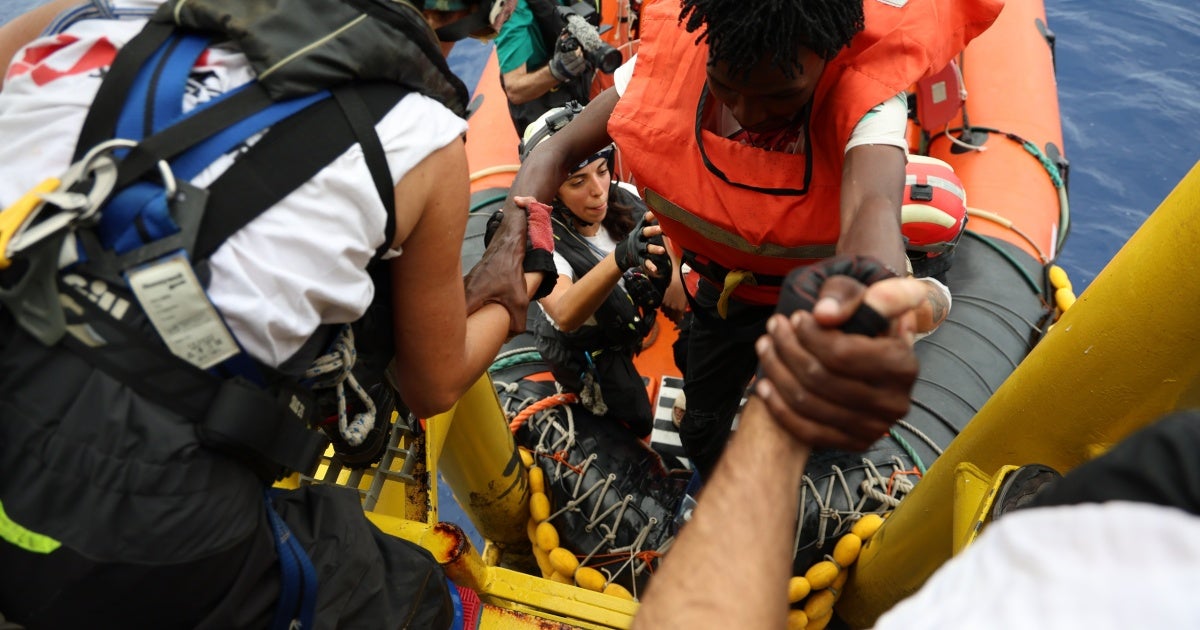
    Last week, the United Kingdom home secretary convened a summit with ministers, intelligence agencies, and law enforcement bodies to discuss small boat crossings, focused on stopping “smuggling gangs.” This followed the deaths of at least 12 people, including a pregnant woman and six children, attempting to reach the UK by boat, in what is believed to be one of the deadliest incidents in the English Channel this decade.

    Around 70 people were reportedly on board the flimsy and overcrowded dinghy, which capsized near the French coast. French authorities said that many who died appeared to be from Eritrea, whose nationals, including schoolchildren, continue to flee serious human rights violations and widespread repression at home as well as conflicts in the region.

    The UK government called it a “horrifying and deeply tragic incident,” but then doubled down on dismantling “smuggling gangs” and bolstering border security and said there are no plans to expand safe pathways to the UK. France responded, as Human Rights Watch has documented in the past, by deploying riot police and machines to clear the encampment near Calais, where the people who died at sea were said to have been staying, and forcing some of those remaining in the camps onto buses to the north-east of France.

    The new UK government’s focus on law enforcement and border security will not prevent deaths at sea. There is little evidence that restrictive and harmful deterrence policies are effective and may encourage people to attempt ever more dangerous crossings from more hidden points along the French coast.

    Instead, the UK and France should ensure robust cooperation on search and rescue for people in distress at sea. As many organisations have consistently called for, the UK government should urgently open more safe routes, including allowing people to claim asylum at the UK’s border in France and ensuring reunification with family members in the UK. This should not impact the right of people to seek asylum in the UK through irregular means and migrants should not be penalised for doing so, as guaranteed by the 1951 Refugee Convention, to which the UK is party.

    This is a key moment for the new Labour government to develop humane asylum and border policies, including by repealing the Nationality and Borders Act and Illegal Migration Act, prioritising search and rescue, and opening safe pathways to save lives.

    [ad_2]

    Source link

  • Americas: Limited Protection for People Fleeing Venezuela, Haiti

    Americas: Limited Protection for People Fleeing Venezuela, Haiti

    [ad_1]

    • Limited and, at times, poor regularization and integration policies in Latin American countries have forced many migrants and asylum seekers into the dangerous Darién Gap.
    • Over the last year and a half, over 700,000 migrants and asylum seekers have crossed the Darién Gap, where they are exposed to abuses, including sexual violence.
    • As the crises in Venezuela and Haiti deepen, governments in the Americas should take urgent steps to expand access to asylum, regularization processes, and meaningful social and economic integration opportunities.

    (Bogotá) – Governments in the Americas offer inadequate access to asylum and other forms of international protection for people fleeing ongoing human rights crises, including in Venezuela and Haiti, Human Rights Watch said in a report released today. 

    The report, “Darién Gap: The Jungle Where Poor Migration Policies Meet,” analyzes migration policies in six countries in the region, Brazil, Chile, Colombia, Ecuador, Panama, and Peru, identifying the key problems migrants and asylum seekers face in regularizing their migration status, gaining refugee recognition, and accessing social and economic integration. The report, the third in a series of Human Rights Watch publications on migration via the Darién Gap, provides examples of how these limited policies push migrants and asylum seekers to move north across the jungle.

    “Governments in the Americas should not stand idly by as the crises in Venezuela and Haiti deepen,” said Tirana Hassan, executive director at Human Rights Watch. “They should respect and promote human rights domestically and grant those fleeing meaningful opportunities to obtain protection and remake their lives.”

    In the past year and a half, over 700,000 migrants and asylum seekers have crossed the Darién Gap, fleeing violence, persecution, and humanitarian catastrophes. These include over 477,000 Venezuelans, 60,000 Ecuadorians, and 41,000 Haitians. 

    Human Rights Watch visited the Darién Gap six times between April 2022 and September 2024 and interviewed over 300 people. Those interviewed included migrants and asylum seekers who had or were about to make the crossing, humanitarian workers, Colombian and Panamanian authorities, and migration experts from across the region. Researchers also reviewed data and reports by the governments of Colombia, Panama, and the United States; United Nations agencies; international, regional, and local human rights and humanitarian organizations; and local legal clinics.

    In Venezuela, international observers have raised serious concerns about the July 29 announcement by the National Electoral Council that Nicolás Maduro had been re-elected president on July 28, 2024. Following the election, Venezuelan authorities have committed widespread human rights abuses against largely peaceful protesters, opposition leaders, and critics. On September 2, a judge ordered the arrest of presidential opposition candidate Edmundo González, who received the most votes according to the Carter Center, which observed the election.

    In a survey conducted in Venezuela after the election, 43 percent of those who responded were considering leaving the country, including 1.5 million people who were planning to do so before the end of the year.

    Despite the recent establishment of a transitional government, Haiti has faced a prolonged political crisis, which has left the country without any democratically elected officials and unable to ensure security and access to essential services for its population. About 300 criminal groups now control much of the capital, Port-au-Prince, and its metropolitan area, resulting in nearly 3,500 deaths in the first half of 2024. 

    This violence has forced nearly 600,000 people into internal displacement between January and June, with criminal groups frequently using sexual violence, including collective rape, and kidnapping to terrorize and control neighborhoods. Haiti is also facing a catastrophic humanitarian situation, with 5.5 million people, nearly half of the population, in need.

    The surge in Ecuadorian migrants and asylum seekers has been fueled by a sharp rise in crime and violence in the country, with record rates of homicide and extortion. Poverty and the lack of adequate employment are also key factors.

    Human Rights Watch found that some Latin American governments have made commendable efforts to receive migrants and asylum seekers. However, limited options for regularization, poor access to asylum, and limited integration programs have left hundreds of thousands unable to remake their lives, forcing many to head north. 

    While the exact number of people leaving each country in South America across the Darién Gap is hard to calculate, surveys conducted by the Office of the United Nations High Commissioner for Refugees (UNHCR) between January and July in the Darién Gap show that between 45 and 67 percent of Venezuelans who crossed the jungle had lived in other countries in South America.

    A recent US-Panama agreement under which the US will pay Panama to “remove foreign nationals who do not have a legal basis to remain in Panama” is likely to worsen access to asylum in the Americas, Human Rights Watch said. Given Panama’s inadequate and under-resourced asylum system, large-scale removal of asylum seekers could violate Panama’s legal obligation to respect the principle of nonrefoulement, that is not returning people to a place where they are likely to experience abuse. It also means that the US would shirk its responsibilities by outsourcing its migration controls to a country with demonstrably less capacity to provide full and fair consideration of asylum claims.

    Efforts to regularize migration in the region have often fallen short due to restrictive timelines, complex procedures, onerous document requirements, and administrative delays. The asylum systems also struggle with limited capacity, resulting in significant delays and an inconsistent application of the Cartagena Declaration, which calls for broad protection for refugees. 

    While there have been some local initiatives to improve migrant integration, the absence of clear social and economic integration strategies has left many migrants without adequate jobs and facing difficulties in accessing health care, housing, education, and social programs. Discrimination and xenophobia, including sexual harassment connected to these, are increasingly common.

    The 40th anniversary of the 1984 Cartagena Declaration is an opportunity for governments to seek coordinated solutions to the migration challenges in the region and to adopt rights-respecting policies that should ensure access to safe and legal pathways for migration, effective regularization processes, and meaningful social and economic integration opportunities, Human Rights Watch said. Governments should draw lessons from valuable polices across the region, including Brazil’s prima facie recognition for Venezuelans as refugees and past humanitarian visas for Haitians, as well as Colombia’s efforts to grant temporary protection status for Venezuelans. 

    Governments should create a region-wide temporary protection system that would grant all Venezuelans and Haitians legal status for fixed but renewable terms of adequate duration and create an equitable regional mechanism to determine the states responsible for examining asylum claims and protecting refugees, Human Rights Watch said. 

    “The worsening crisis in Venezuela and Haiti means governments in the Americas, including the United States, need to step up their response to meet the challenges posed by increased migration,” Hassan said. “They should urgently work toward a regional coordinated response that ensures protection for people leaving human rights crises across the region.”


    [ad_2]

    Source link

  • Hungary: Ukrainian Refugees Losing Housing

    Hungary: Ukrainian Refugees Losing Housing

    [ad_1]

    (Budapest) – The Hungarian government has issued a draconian decree in breach of EU law that cancels state funded shelter for refugees from western Ukraine,  leaving many homeless, Human Rights Watch said today. 

    Approximately 3,000 refugees from Ukraine are affected, the majority women and children, according to the Hungarian Helsinki Committee, which has been monitoring the situation for Ukrainian refugees affected by the decree. The Hungarian government should immediately repeal the decree.

    “The Hungarian government has stooped to a new low with this cruel law that is putting thousands of people who fled the war in Ukraine on the streets,” said Lydia Gall, senior Europe and Central Asia researcher at Human Rights Watch. “The European Commission should use all instruments at its disposal to make Budapest scrap the law and fulfill its duties as an EU member state.”

    The new decree, issued in June 2024, entered into force on August 21. It limits access to state-funded housing to Ukrainian refugees whose registered residence is in what the Hungarian authorities deem a war-torn area, effectively deeming other parts of Ukraine safe to return to. The decree amends a June 2023 decree that had already restricted eligibility to state-funded housing for Ukrainian refugees to those deemed “vulnerable”: pregnant women, children under 18, people with disabilities, and those aged 65 and older. 

    An attachment to the decree currently lists 13 oblasts (regions) in Ukraine designated by the Hungarian government as war-torn areas, excluding those in western Ukraine. According to the decree, the government is to review the situation and issue a new list of oblasts covered by the regulation by the 10th of every month. 

    Meanwhile, on September 4, Russian forces attacked Lviv in western Ukraine, killing seven civilians, including two children, and injuring 66, though the Hungarian government did not modify its list by September 10. 

    The decree breaches the 2001 EU Temporary Protection Directive, triggered in March 2022 following Russia’s full-scale invasion of Ukraine, which requires EU member states to grant temporary protection and assistance to all refugees from Ukraine. It also contravenes guidance from the United Nations High Commissioner for Human Rights (UNHCR), which does not differentiate between Ukrainian regions in determining whether a person needs protection. 

    According to the Hungarian Helsinki Committee, which works closely with affected groups, the decree has already had a devastating impact on approximately 3,000 Ukrainian refugees who fall outside the strict criteria, leading to homelessness and the inability to access social services in Hungary, including health care and education, which require having a registered address in Hungary.

    While the decree could affect all refugees from Ukraine from areas not deemed “war-torn” by the Hungarian authorities and who don’t qualify as “vulnerable,” the majority of those affected are ethnic Roma, and mainly women and children, according to independent news site Telex.hu. This is because most other Ukrainian refugees from areas excluded by the decree do not rely on state-funded accommodation, either because they are Hungarian dual nationals, are staying with relatives, have other support networks, or can pay for their own accommodation. 

    While the decree set out a procedure allowing people whose accommodation is cancelled to request leniency, the deadline for submitting leniency requests was extremely short, expiring on July 10, and the assessment criteria were unclear. The Hungarian Helsinki Committee said the majority of those who they are aware had requested leniency were rejected.

    In other cases, according to the Hungarian Helsinki Committee, members of the same family received both approvals and rejections on leniency requests. It is unclear whether the leniency procedure would cover people affected by the withdrawal of support if further areas of Ukraine were excluded under the decree in the future. 

    The Hungarian government has a dismal track record with respect to refugees’ and migrants’ rights. Since 2015, the government has increasingly cracked down on the right to asylum, engaging in unlawful pushbacks at its borders, unlawfully detaining people in border areas, and effectively dismantling access to the asylum procedure. These unlawful practices relate to non-Ukrainian migrants, asylum seekers, and refugees. 

    The European Commission should take immediate action over Hungary’s latest flaunting of refugee and EU law, Human Rights Watch said. It should initiate infringement proceedings against Hungary under EU law for breaching the Temporary Protection Directive. It should also make funds available to those with a proven track record of providing housing to beneficiaries of temporary protection, including municipalities, civil society organizations, and the UNHCR. 

    “Leaving refugees fleeing a devastating war homeless not only flies in the face of Hungary’s international obligations but is also a worrying reminder of the government’s consistently inhumane and cruel policies with respect to people seeking safety in Hungary,” Gall said. “The European Commission should press Budapest to do its duty and ensure that all Ukrainian refugees enjoy the benefits of temporary protection.”   

    [ad_2]

    Source link

  • Ecuador: Government Should End Criminalization of Abortion

    Ecuador: Government Should End Criminalization of Abortion

    [ad_1]

    (Quito) – The government of Ecuador has an obligation to decriminalize abortion in all circumstances, and to remove all barriers that prevent access to this essential healthcare service, Human Rights Watch said today in an amicus brief submitted to the Constitutional Court of Ecuador.

    The Human Rights Watch brief supports a lawsuit filed by Justa Libertad, an Ecuadorian coalition of eight civil society organizations, in March 2024, challenging the criminalization of abortion. Currently, abortion is penalized in Ecuador by up to three years in prison, with exceptions when the life or health of the pregnant woman is at risk or, after a 2021 Constitutional Court ruling, when the pregnancy is the result of sexual violence.

    “Ecuador should comply and align its domestic laws and policies with its international human rights obligations to decriminalize abortion,” said Stephanie Lustig, women’s rights research assistant at Human Rights Watch. “Even those who legally qualify for abortion care face significant practical barriers, as healthcare personnel and institutions often impose their beliefs that, once pregnant, women and girls are obligated to become mothers.”

    The Justa Libertad case asks the Constitutional Court to declare unconstitutional Article 149 of Ecuador’s Criminal Code, which criminalizes consensual abortion. This crucial initiative seeks to ensure that women, girls, and other pregnant people can access safe abortion care.

    In a 2021 report, Human Rights Watch documented the severe consequences of the criminalization of abortion in Ecuador, including by increasing maternal mortality and morbidity; cutting women, girls, and pregnant people off from essential services like health care and education; and violating their rights to medical confidentiality and due process. The criminalization of abortion in Ecuador has also led to significant barriers to accessing abortion and post-abortion care, even in the exceptional cases in which abortion is legally permissible. These barriers include stigmatization, mistreatment by healthcare providers, and an overly narrow interpretation of legal exceptions for abortion, which, in practice, leads to denial of this essential service.

    The criminalization of abortion in Ecuador reinforces the stereotype that women and girls’ roles are limited to motherhood and punishes those who defy these stereotypes, disregarding their rights to privacynon-discrimination, and reproductive freedom, Human Rights Watch found. This not only restricts women, girls, and other pregnant people’s reproductive autonomy, but also imposes unjust burdens on them to bear unwanted pregnancies, often without adequate support and resources.

    Several United Nations committees, including the Committee on the Rights of the Child and the Committee on the Elimination of Discrimination Against Women (CEDAW), have concluded that the criminalization of abortion jeopardizes multiple human rights and have consistently urged countries, including Ecuador, to decriminalize abortion in all circumstances.

    The CEDAW has observed that when a country fails to provide or criminalizes services specifically needed by women, it violates their reproductive rights and constitutes discrimination. Both the CEDAW and the United Nations Committee against Torture (CAT) have concluded that the denial or delay of safe abortion and the forced continuation of pregnancy not only violate women’s sexual and reproductive rights, but also, depending on the circumstances, may amount to torture or cruel, inhuman, or degrading treatment. Abortion restrictions, CAT highlights, can cause severe physical and mental anguish, and may be incompatible with a government’s duty to uphold the right to freedom from torture and other cruel, inhuman, or degrading treatment or punishment.

    In the amicus brief, Human Rights Watch highlights the negative impact unwanted pregnancies and forced motherhood have on girls’ physical and mental health. This situation leaves them vulnerable to higher risks of maternal mortality, anxiety, depression, post-traumatic stress disorder, and suicide. In Ecuador, a 2015 study by Fundación Desafío reviewed the medical records of 139 girls who were forced into motherhood before the age of 14 and found that over 90 percent of them showed “depressive symptoms” and “adjustment disorder.”

    Girls who are forced into motherhood often drop out of school and suffer greater levels of violence and poverty. Forced motherhood in girls perpetuates cycles of discrimination and poverty. In essence, the criminalization of abortion institutionalizes discrimination by denying women, girls, and pregnant people the freedom to make decisions about their reproductive health and life paths, perpetuating systemic gender-based inequalities.

    The criminalization of abortion in Ecuador also disproportionately affects women and girls living in conditions of poverty and those from marginalized ethnic groups. In 78 cases reviewed, Human Rights Watch found that a majority of those accused of abortion-related crimes were young women, with a significant percentage from regions with high poverty rates and predominantly Indigenous or Afro-descendant populations.

    The prosecution of women and girls seeking medical care for pregnancy complications, regardless of whether they are seeking an abortion, exacerbates existing social inequalities, perpetuating cycles of poverty and inequality.

    “Ecuador’s criminalization of abortion worsens social inequities and violates fundamental human rights,” said Lustig. “It underscores the urgent need for the full decriminalization of abortion to ensure equitable access to reproductive health care and uphold the rights of all individuals, regardless of their economic status or ethnic background.”

    [ad_2]

    Source link

  • China: Free Taiwanese Political Activist

    China: Free Taiwanese Political Activist

    [ad_1]

    (New York) – The Chinese government should immediately quash the conviction of and release a Taiwanese political activist who was sentenced to nine years in prison for “separatism,” Human Rights Watch said today. On August 26, 2024, a court in China’s Zhejiang province convicted Yang Chih-yuan (楊智淵), 34, for political activities carried out in Taiwan, a neighboring democracy over which the People’s Republic of China claims sovereignty.

    The case is the first known in which the Chinese authorities have charged a Taiwanese national with “separatism” for allegedly seeking to split the country in violation of article 103 of China’s Criminal Law. The law is typically used in politically motivated prosecutions of Uyghurs, Tibetans, and other ethnic groups who are Chinese nationals.

    “The Chinese government’s prosecution of Yang Chih-yuan for exercising his basic rights in Taiwan has effectively criminalized being Taiwanese,” said Maya Wang, associate China director at Human Rights Watch. “The use of a national security law coupled with an outrageous prison sentence appears to be Beijing’s latest attempt to intimidate the Taiwanese people and reinforce its claims of sovereignty over Taiwan.”

    On August 3, 2022, more than seven months after Yang arrived in China to live, Chinese authorities detained him in Wenzhou, Zhejiang province. In April 2023 he was formally arrested for alleged “separatist” activity. At the time, Yang was not involved in any political activities in China, and was teaching and competitively playing the strategy game Go, according to Taiwan’s Mainland Affairs Council, the government agency responsible for China-Taiwan affairs.

    Yang’s “crimes” include establishing a minor political party called the Taiwan National Party in Taiwan, and promoting Taiwan’s inclusion in the United Nations between 2008 and 2020.

    The Chinese authorities repeatedly and seriously violated Yang’s rights to due process during the legal proceedings against him. The Chinese state-owned media, CCTV, confirmed after Yang’s detention in August 2022 that he had been placed under “residential surveillance in a designated location;” a form of detention that Human Rights Watch has repeatedly criticized, and that United Nations human rights experts have said is “tantamount to enforced disappearance.”

    Yang was incommunicado for two years, during which time he had no access to legal counsel or his family in violation of international human rights law. Chinese laws allow the authorities to deny national security detainees access to family and lawyers under “residential surveillance,” leaving them at serious risk of torture and other mistreatment.

    Yang’s trial took place behind closed doors. Details of his sentencing were not announced until September 6, and judicial authorities still have not released any documents or evidence from the trial.

    In June, two months prior to Yang’s trial, the Chinese government issued new judiciary guidelines that make it a criminal offense to do anything broadly related to Taiwanese independence. Peaceful activities and advocacy, such as teaching and writing about Taiwan’s democracy and history independent of China or promoting Taiwan’s inclusion in the United Nations, would be construed as criminal. Taiwanese who have engaged in such activity would be subject to arrest in China.

    The judicial guidelines violate Taiwanese people’s rights to freedom of expression and association, and the right to public participation in Taiwan, Human Rights Watch said. The guidelines also permit the use of in absentia trials and the death penalty for “especially serious or … vile” activity in violation of international law.

    In a second case, Chinese authorities have detained the Taiwan-based Chinese-born publisher Li Yan-he (李延賀), commonly known by his pen name Fu Cha (富察), for alleged “separatism.” In March 2023, national security police in Shanghai detained Fu for publishing works that are “not in line with the Chinese Communist Party’s view of history.”

    Fu is editor-in-chief of the Taiwanese Gūsa Publishing (八旗文化), which has published books critical of the Chinese government. In early 2023 he become a Taiwanese citizen, and was visiting China to renounce his People’s Republic of China nationality and see his family. The authorities have been holding Fu under “residential surveillance in a designated location.”

    The guidelines and the two cases appear intended to reinforce the People’s Republic of China’s sovereignty claims over Taiwan.

    “The Chinese government is tightening its grip over the lawful activities of Taiwanese in Taiwan,” Wang said. “Beijing’s intimidation and arbitrary arrests of Taiwanese under national security charges is an alarming escalation of its efforts to control the rights to free speech and association beyond its borders.”

    [ad_2]

    Source link