Author: Human Rights Watch

  • Australia: Protect Whistleblowers from Retaliation

    Australia: Protect Whistleblowers from Retaliation

    [ad_1]

    (Sydney, July 30, 2025) – The Australian government should create a dedicated Whistleblower Protection Authority to support and protect public-interest whistleblowers, Human Rights Watch said in a recent submission to the Legal and Constitutional Affairs Legislation Committee of the Australian Senate.

    Since February 2025, the committee has been considering the proposed Whistleblower Protection Authority Bill 2025. It would create such an authority, which would provide information, advice, assistance, guidance, and support to whistleblowers and potential whistleblowers. The authority would also investigate the mistreatment of whistleblowers and make recommendations for the enforcement of civil penalties. The committee’s final report is expected on August 29, 2025.

    “Public interest whistleblowers risk their jobs, reputations, and sometimes even their personal safety to expose corruption and human rights abuses,” said Annabel Hennessy, Australia researcher at Human Rights Watch. “Creating a Whistleblower Protection Authority would be an important step toward providing whistleblowers in Australia with the legal protections they need.”

    Current laws have failed to protect whistleblowers, Human Rights Watch said. Despite research finding that eight out of ten whistleblowers face some form of reprisal at work, there has been just one case in the past three decades in which an Australian whistleblower has received court-ordered compensation for the harm they experienced. The bill, if adopted, will help protect whistleblowers from retaliation for disclosures that are made in the public interest.

    The United Nations special rapporteur on the situation of human rights defenders, Mary Lawlor, warned in 2021 that whistleblowers around the world are often in severe danger when they expose corruption. She said existing safeguards to protect whistleblowers were often weak or non-existent and that countries should do more to implement laws to protect them.

    “Human Rights Watch and other human rights groups have long called for Australia to introduce safeguards to protect journalists, rights activists, lawyers, whistleblowers, and others making disclosures in the public interest,” Hennessy said. “The Whistleblower Protection Authority Bill would offer whistleblowers in Australia critical safeguards to help protect everyone’s rights.”

    [ad_2]

    Source link

  • Iraq: Damage to Kurdistan Region Oil Fields Puts Rights at Risk

    Iraq: Damage to Kurdistan Region Oil Fields Puts Rights at Risk

    [ad_1]

    (Beirut) – Drone strikes on five oil fields in the Kurdistan Region of Iraq (KRI) by unknown groups between July 14 and 16, 2025, significantly damaged the region’s energy production, Human Rights Watch said today.

    The drone strikes mark a dangerous escalation in a long-running dispute between Baghdad and Erbil over the control and distribution of oil revenues. As part of this dispute, Baghdad has been withholding funds for the regional government’s public sector salaries since May. Federal Iraqi and Kurdistan regional authorities should investigate the drone strikes, prevent further attacks on energy infrastructure, and ensure timely and full payment of public sector salaries.

    “Deliberate damage to oil infrastructure could cause serious ripple effects for KRI residents’ access to public services,” said Sarah Sanbar, Iraq researcher at Human Rights Watch. “Adding insult to injury, thousands of teachers, doctors, and nurses can’t pay for everyday expenses because their salaries are being held hostage to political bickering.”

    The drone strikes took around 220,000 barrels per day of oil production offline, cutting total oil output in the Kurdistan region by 70 percent, The New Arab reported. No casualties were reported. While no group has claimed responsibility for the strikes, Aziz Ahmad, deputy chief of staff to the Kurdistan Regional Government’s prime minister, Masrour Barzani, blamed “criminal militias on the Iraqi government payroll.” 

    The Kurdistan Regional Government relies heavily on oil revenues and federal budget transfers to pay salaries and fund public services. Since 2014, Baghdad has intermittently withheld Erbil’s share of the federal budget, using payments as leverage to force concessions in negotiations over oil revenues. 

    On July 17, the Iraqi government approved a deal with the regional government to resume oil exports from the Kurdistan region and salary payments for public employees. On July 24, the Kurdish Finance Ministry confirmed it had received and would distribute the funds for May salaries. June and July salaries are still pending.

    Baghdad withholding public sector salaries has directly affected the quality and provision of essential public services, including health care and education, Human Rights Watch said. 

    As a result of withheld oil-related budget transfers, the Kurdistan Regional Government has failed to pay teachers 16 monthly salaries and only partially paid 44 monthly salaries over the last decade, according to reporting by Kirkuk Now. Teachers and school administrators have frequently gone on strike to protest the nonpayment of salaries. In late 2023, nearly 60,000 teachers went on strike for six months, the longest sustained labor action by public sector workers in the Kurdistan region, leaving 700,000 students out of the classroom.

    Health workers, too, have frequently gone on strike over nonpayment of salaries, limiting services to emergency care. Many doctors, facing mounting financial pressure, have turned to private practice, reducing availability in public hospitals and lowering the quality of care for patients who cannot pay for private services.

    The drone strikes also threaten the KRI’s energy infrastructure and directly affect the right to electricity, Human Rights Watch said. Electricity access in the region remains inconsistent, with just 6 hours per day of national grid power in the winter and 12 to 14 hours in the summer, Omed Saeed, director of the Kurdistan Region Control Center in the Electricity Ministry, told Human Rights Watch in April.

    The Khor Mor gas field, which provides feedstock for the majority of the region’s power generation, has been hit by drones at least nine times since 2023, most recently in February 2025. In April 2024, a drone strike on Khor Mor killed four workers and suspended production for nearly a week. Despite a pledge by Iraqi Prime Minister Mohammed Shia al-Sudani, the government has never published the results of any investigations or held those responsible accountable. 

    The Kurdistan Regional Government’s Natural Resources Ministry condemned the recent spate of drone strikes as “terrorist acts intended to damage the economic infrastructure of the Kurdistan Region and endanger the safety of civilian employees working in the energy sector.”

    On July 15, Prime Minister al-Sudani ordered an investigation into the recent attacks [KA1] and vowed to hold those responsible to account.

    Both federal and regional authorities have a responsibility to protect critical infrastructure and safeguard civilians. They should act in good faith to ensure fulfillment of residents’ economic, social, and cultural rights and prioritize the payment of public sector wages to ensure access to public services, Human Rights Watch said. Their prolonged failure to resolve these disputes has had a direct and devastating impact on the rights of public sector workers and those [KA2] who rely on their services. 

    Iraq, as a state party to the International Covenant on Economic, Social and Cultural Rights, is obligated to uphold the right to an adequate standard of living, including timely wages, health, and education. 

    “Baghdad and Erbil should stop using civil servants’ salaries and livelihoods as a political football in negotiations over oil,” Sanbar said.

    [ad_2]

    Source link

  • Venezuela: Political Persecution a Year After Elections

    Venezuela: Political Persecution a Year After Elections

    [ad_1]

    (Washington, DC) – Venezuelan authorities are carrying out widespread abuses against critics through politically motivated arrests, a year after the presidential election, Human Rights Watch said today.

    Hours after polls closed on July 28, 2024, the Electoral Council declared that Nicolás Maduro had been re-elected. International observers criticized the process for lacking transparency and integrity, and questioned the announced results. The authorities have yet to release official tally sheets, while tallies published by the opposition indicate that the opposition candidate Edmundo González won the election. Since the elections, Venezuelan authorities have carried out brutal repression, including killings, enforced disappearances, arbitrary arrests, and torture. As of July 21, 853 political prisoners remained behind bars, according to the human rights group Foro Penal.

    “The Venezuelan authorities are committing systematic human rights violations against critics,” said Juanita Goebertus, Americas director at Human Rights Watch. “Recent releases of people arbitrarily detained do not conceal the fact that hundreds of political prisoners remain behind bars.”

    Following the announcement of Maduro’s re-election, thousands of Venezuelans took to the streets, mainly in low-income neighborhoods. In response, the government initiated “Operation Knock Knock” (Operación Tun Tun), a nationwide campaign of intimidation, harassment and repression.

    Human Rights Watch has documented the killing of protesters and the arrest of hundreds of political opponents, human rights defenders, critics, and foreign nationals. Many have been charged with vague offenses such as “incitement to hatred” and “terrorism,” which carry prison sentences of up to 30 years. Many were targeted for engaging in activities protected under international human rights law – such as protesting, criticizing the government, or participating in the opposition – and were detained arbitrarily and subjected to deeply flawed legal proceedings.

    Venezuelan authorities have frequently denied carrying out arrests or hidden detainees’ whereabouts, actions that amount to enforced disappearances under international law. Families have been left searching for their loved ones in detention centers and morgues for days or weeks. Many detainees have been held incommunicado, some since the day of their arrest, denied visits, and blocked from accessing private lawyers or legal files. Many were charged in virtual and group hearings that further undermined their due process rights.

    Some detainees have been held incommunicado for months. These include Freddy Superlano, national coordinator of the opposition party Voluntad Popular; Perkins Rocha, of the opposition party Vente Venezuela; Jesús Armas, a member of the opposition’s campaign team; Enrique Márquez, a 2024 presidential candidate; and Eduardo Torres, a lawyer with the human rights organization Venezuelan Program for Education and Action on Human Rights (Programa Venezolano de Educación Acción en Derechos Humanos, Provea).

    Some detainees have been subjected to ill-treatment and torture, including beatings, electric shocks, asphyxiation with plastic bags, solitary confinement, and being held in tiny, dark, overcrowded punishment cells.

    The Attorney General’s Office says it has released hundreds of detainees, though many remain under criminal investigation. Many have been forced to sign documents prohibiting them from disclosing information about their arrest or the legal proceedings against them. Some were forced to record videos saying that their rights were respected during detention.

    On July 18, 2025, Venezuelan authorities announced the release of 80 people. Venezuelan authorities also released 10 US citizens and permanent residents in exchange for the release of 252 Venezuelan migrants who the US government had deported to El Salvador, where they had been held incommunicado in the Center for Confinement of Terrorism (Centro de Confinamiento del Terrorismo, CECOT), a notorious mega prison.

    According to Vente Venezuela, around 40 other critics have been detained since the recent releases took place. Some were later released.

    “The Maduro government has for years followed a ‘revolving-door’ pattern, releasing some arbitrarily detained people while arresting others” Goebertus said. “Foreign governments, including the United States, should know that they are being played by a government that releases some political prisoners while detaining others, all the while entrenching its authoritarian rule.”

    Foreign governments should disrupt Maduro’s domestic carrot-and-stick incentives that reward abusive authorities and security forces, making them loyal to the government, while punishing, torturing, and forcing into exile critics, opponents, and even security force members who support democracy and human rights, Human Rights Watch said.

    They should fully support ongoing accountability efforts against those responsible for human rights abuses in Venezuela; explore ways to pressure governments and economic actors that aid the authorities’ repression; expand support for civil society, independent journalists, and others working to defend democracy and human rights; and urgently expand protections for all those forced to leave the country.

    The international community should seize every opportunity to push for meaningful progress on human rights in Venezuela. This includes leveraging regional and international forums, such as the upcoming European Union-Community of Latin American and Caribbean States (Comunidad de Estados Latinoamericanos y Caribeños, CELAC) summit, set to take place in Colombia in November. The Vatican should also seize the upcoming canonization of two Venezuelans, set for October, as an opportunity to push for the unconditional release of all political prisoners.

    “One year after the 2024 elections, many Venezuelans continue to risk their lives and freedom to stand up for democracy,” Goebertus said. “Governments engaging with Maduro shouldn’t settle for isolated prisoner releases: they should demand substantial, lasting human rights improvements to dismantle the machinery of state-led terror that has gripped Venezuela.”


    [ad_2]

    Source link

  • Sahel Region: African Union Appoints Special Envoy

    Sahel Region: African Union Appoints Special Envoy

    [ad_1]

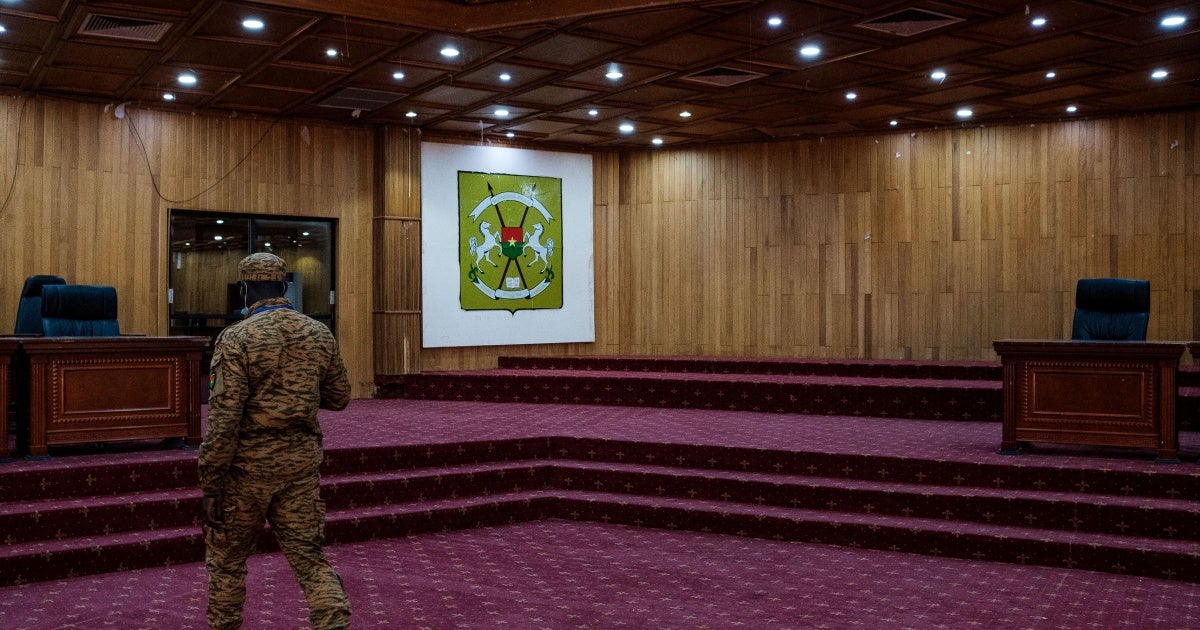
    (Nairobi) – The African Union’s (AU) appointment of Burundi’s president as its special envoy for the Sahel region strengthens the AU’s capacity to address the most pressing human rights challenges facing Mali, Burkina Faso and Niger, Human Rights Watch said today in a letter to President Evariste Ndayishimiye

    The appointment of Ndayishimiye on July 17, 2025, comes at a critical juncture in the Sahel, marked by increased threats to civilians caught in armed conflict, emboldened authoritarianism of the military juntas, and growing marginalization of independent institutions, including the AU and the Economic Community of West African States (ECOWAS). These dynamics have eroded the rule of law, widened impunity for serious human rights abuses, and left civilians increasingly vulnerable.

    “Despite Burundi’s very troubling human rights record, President Ndayishimiye has an opportunity to promote human rights and rights-based governance in the Sahel,” said Allan Ngari, Africa advocacy director at Human Rights Watch. “A failure to do so would signal a dangerous tolerance for authoritarianism under the guise of diplomacy.” 

    Ndayishimiye should make respect for human rights and the rule of law prominent in the AU’s approach to the Sahel and address the following major concerns:

    Islamist armed groups and government security forces continue to commit serious violations of international humanitarian law, including war crimes and possible crimes against humanity. As of mid-2025, the armed conflicts in the Sahel had killed at least tens of thousands of civilians, resulting in one of the world’s most acute humanitarian crises, forcing over three million people from their homes. 

    Since 2020, Mali, Burkina Faso and Niger have experienced military coups. The ruling military juntas have shown intolerance for political opposition and dissent. Civic and political space has shrunk as a crackdown on journalists, civil society activists, and opposition party members has increased, through arbitrary detention, enforced disappearances, and unlawful conscription. The military leaders of the three countries have solidified their power without elections, delaying the return to democratic civilian rule. 

    The authorities in Mali, Burkina Faso and Niger have ignored calls for accountability and failed to uphold their international legal obligations to investigate serious rights violations by their security forces, and hold those responsible accountable, allowing impunity to fester and emboldening the abusers. In 2025, the three countries officially left ECOWAS, depriving their citizens of the opportunity to seek justice for human rights violations through the ECOWAS Court of Justice.

    “The AU special envoy should open a meaningful dialogue with the authorities of Mali, Burkina Faso and Niger on their governments’ obligations to protect human rights,” Ngari said. “He should ensure that the AU’s strategy on the Sahel prioritizes the protection of civilians at risk, the need to respect civil and political rights, and the promotion of justice and accountability.”

    [ad_2]

    Source link

  • Thailand/Cambodia: Protect Civilians Amid Border Clashes

    Thailand/Cambodia: Protect Civilians Amid Border Clashes

    [ad_1]

    (Bangkok) – Escalating border clashes between Thailand and Cambodia involving explosive weapons have killed and injured civilians since fighting began on July 24, 2025, Human Rights Watch said today. The two countries have longstanding border disputes, but there has been no serious military engagement since 2011.

    Cambodia and Thailand have each accused the other of starting the fighting. The Thai Armed Forces headquarters issued a statement on July 24 that clashes began at a Thai military position near the contested Ta Muen Thom Temple in Surin province around 8:20 a.m.

    The United Nations Security Council and concerned governments should press the Thai and Cambodian governments to abide by international humanitarian law and take all necessary steps to protect civilians threatened by the fighting.

    “In just two days of fighting, clashes along the Cambodian-Thai border have killed and injured civilians, including children, and damaged medical facilities and religious and cultural sites,” said John Sifton, Asia advocacy director at Human Rights Watch. “Thai and Cambodian authorities should take all steps necessary to protect civilians and civilian infrastructure as required by international humanitarian law.”

    On July 25, Thailand’s Public Health Ministry stated that 14 civilians, including children ages 15 and 8, had been killed and 31 wounded by Cambodian rocket and artillery attacks that hit a hospital, a supermarket, and houses. Thai authorities have evacuated over 100,000 people from border areas and closed at least 852 schools and 7 hospitals for safety reasons.

    The Cambodian government has not released any information on casualties, but the spokesperson for the border province of Oddar Meanchey said on July 25 that “so far one civilian was killed and five people were injured during fighting” in the province.

    Human Rights Watch geolocated three photographs posted on social media from a drone camera feed showing structural damage to a building and a Buddhist pagoda in Oddar Meanchey’s Kok Mon commune. A Cambodian official in Oddar Meanchey told the media that a man was killed on July 24 after a Thai rocket hit a pagoda where he was seeking safety.

    The fighting quickly escalated on July 24 and spread to other areas in Surin, Ubon Ratchathani, Si Sa Ket, and Buriram provinces in Thailand and Preah Vihear and Oddar Meanchey provinces in Cambodia. In addition to rocket and artillery attacks by Cambodian forces, the Thai armed forces deployed F-16 jets and drones to launch airstrikes along with artillery and rocket fire.

    Cambodian government agencies have alleged that Thai airstrikes and artillery fire had damaged the UNESCO World Heritage site of Preah Vihear Temple in Cambodia and also claimed Thailand was using internationally prohibited cluster munitions. The Thai Armed Forces Headquarters initially denied these claims, but later on July 25 a Royal Thai Army press release and Thai military spokesperson clarified that the Thai armed forces used cluster munitions when necessary to target military objectives and when adhering to the legal principle of proportionality.

    Neither Thailand nor Cambodia are parties to the Convention on Cluster Munitions, which bans all use, but Human Rights Watch considers any use of the weapon in populated areas to be unlawfully indiscriminate. Thailand last used cluster munitions during a border dispute with Cambodia in February 2011.

    Human Rights Watch urged Thailand and Cambodia not to use cluster munitions and to ratify the Convention on Cluster Munitions, which currently has 111 states parties.

    International humanitarian law, or the laws of war, is applicable to the international armed conflict between Cambodia and Thailand. The laws of war obligate parties to a conflict to distinguish between combatants and civilians at all times. Civilians may never be the deliberate target of attacks. Warring parties are required to take all feasible precautions to minimize harm to civilians and civilian objects.

    Attacks targeting civilians, that fail to discriminate between combatants and civilians, or are expected to cause disproportionate harm to civilians compared to the anticipated military gain are prohibited.

    Using explosive weapons with wide area effects in populated areas poses a grave threat to civilians given the weapons’ inherent inaccuracy, large blast radius, and rapid delivery of multiple munitions at the same time. When used in villages, towns, and cities, explosive weapons cause immediate harm to civilians and civilian structures. Reverberating, or long-term, effects include damage to buildings and critical infrastructure that interferes with services such as health care and education.

    Explosive weapons also cause displacement of the population and destroy cultural heritage and the environment. Both Cambodia and Thailand have endorsed the 2022 political declaration committing to adopt and implement national policies and practices to help avoid and address civilian harm, including by restricting or refraining from the use of explosive weapons in populated areas.

    In addition, in two separate incidents on July 16 and 23, antipersonnel landmines apparently injured Thai soldiers who were patrolling in a disputed border area. After the first incident, Thailand alleged that Cambodian forces had recently emplaced the antipersonnel mines in Thai territory. Cambodia has denied these allegations.

    Thailand and Cambodia have ratified the 1997 Mine Ban Treaty, which comprehensively prohibits any production, transfer, stockpiling, or use of antipersonnel mines. Under the treaty, states are obligated to prevent and suppress any noncompliance, including by taking measures to prosecute and punish those responsible for use of antipersonnel mines on their territory. Cambodia and Thailand should engage with Japan—whose disarmament representative in Geneva, Ambassador Tomiko Ichikawa, is currently serving as president of the Mine Ban Treaty—to activate the treaty’s “cooperative compliance” procedures.

    In response to Cambodia’s request, the UN Security Council will convene an urgent meeting on July 25 to discuss the Thailand and Cambodia border clashes.

    “Neither Thailand nor Cambodia appears to be paying attention to international humanitarian law at great expense to civilians,” Sifton said. “Diplomatic efforts underway need to prioritize protecting civilians and civilian infrastructure.”

    [ad_2]

    Source link

  • Ukraine: New Law Undercuts Independence of Anti-Corruption Bodies

    Ukraine: New Law Undercuts Independence of Anti-Corruption Bodies

    [ad_1]

    (Kyiv) – A new law adopted by Ukraine’s parliament, the Verkhovna Rada, on July 22, 2025, effectively strips Ukraine’s key anti-corruption bodies of independence and is detrimental to the rule of law, Human Rights Watch said today.

    Parliament should repeal these amendments, engage in meaningful consultation with Ukrainian civil society, and ensure that Ukraine’s crucial anti-corruption bodies can continue their work independently and without interference. The legislative changes may also impact Ukraine’s European Union accession efforts, for which rule of law reforms are a central requirement.

    “Undermining independent anti-corruption bodies, especially during the brutal war that Russia is waging against Ukraine, risks weakening Ukraine’s democratic foundations and its future integration with Europe,” said Rachel Denber, deputy Europe and Central Asia director at Human Rights Watch. “Parliament should immediately repeal these amendments to protect the rule of law and human rights, which are crucial for Ukraine’s recovery and its path to justice.”

    Bill number 12414 was initially introduced by a group of parliament members from the governing Servant of the People party to address cases of disappeared persons in front line areas. It was adopted at the first reading in January. However, on July 22, critical amendments concerning Ukraine’s anti-corruption bodies were unexpectedly introduced in the bill.

    The Verkhovna Rada’s law enforcement committee recommended voting on the bill on the same day, with the bill passing by a vote of 263 in favor. Despite multiple calls from civil society and some politicians to veto the bill, President Volodymyr Zelensky signed it into law on the same day.

    The new legislative amendments severely limit the powers of the National Anti-Corruption Bureau (NABU) and the Specialized Anti-Corruption Prosecutor’s Office (SAPO) – key bodies established to investigate high-level corruption – by significantly expanding the authority of the prosecutor general over their investigations.

    The amendments allow the prosecutor general to reassign NABU cases to other bodies if they deem their pretrial investigation ineffective or if “objective circumstances” make NABU’s functioning impossible under martial law. Previously, Ukraine’s Criminal Procedure Code prohibited the transfer of cases under NABU’s jurisdiction to other law enforcement agencies. This new provision creates a significant loophole for removing politically sensitive cases from NABU’s purview entirely, Ukrainian groups told Human Rights Watch. The new law also empowers the prosecutor general to request pretrial investigation materials from any SAPO prosecutor and transfer them to a prosecutor outside of SAPO as well as strips the authority from the agency’s leader to charge high-ranking officials with corruption, making the prosecutor general the sole body with this authority.

    Finally, the prosecutor general can now issue direct instructions to anti-corruption prosecutors within the Specialized Anti-Corruption Agency, overriding the previous system in which these prosecutors were subordinate only to the agency’s leadership.

    The swift, last-minute manner in which the amendments, were introduced and adopted – entirely altering the bill’s original purpose – attracted widespread criticism from Ukrainian civil society. One activist described it to HRW as a “knife in the back.” Others criticized the new legislation’s overall impact on anti-corruption efforts.

    Volodymyr Yavorsky, a human rights lawyer and the program director of Ukraine’s Center for Civil Liberties, said that the new law “destroys the reform of the prosecutor’s office and prosecutorial independence, in particular, of NABU and SAPO.”

    “Now, any investigation against high-ranking officials is possible only with the written permission of the prosecutor general, who is a figure completely politically dependent on the president,” he said. “Furthermore, the grounds for conducting searches without a court order have been significantly expanded. All of this contradicts the European Court of Human Rights practice and EU standards.”

    Preventing and combatting corruption has been a preeminent priority on the EU-Ukrainian reform agenda since the EuroMaidan protests. As an EU candidate country, Ukraine is obliged to align to EU rule of law standards and meet a host of obligations related to strengthening the independence and effectiveness of its anti-corruption institutions. The fight against corruption was one of the fundamental principles laid out in the EU-Ukraine Association Agreement, signed in 2014.

    On July 22 and 23, thousands of people across Ukraine, many of them teenagers and young adults, protested against what they view as an attack on anti-corruption efforts and what they perceive as backsliding of Ukraine’s democratic process. These were the first widespread antigovernment protests in Ukraine since Russia’s full-scale invasion began, with people taking to the streets in Kyiv, Odesa, Lviv, and several other cities.

    The creation of the Anti-Corruption Bureau and the establishment of truly independent anti-corruption institutions was a core requirement by the European Union for Ukraine to advance in its EU integration. The specialized prosecutorial unit is tasked with overseeing the Anti-Corruption Bureau’s adherence to legislation during investigations, and its prosecutors represent cases investigated by NABU in court. The heads of both bodies are selected independently through open competition.

    The adoption of the law was proceeded in July by dozens of searches of NABU employees, by officers from the Prosecutor General’s Office as well as the Security Service of Ukraine and the State Bureau of Investigation, reportedly carried out without court orders and with multiple due process violations. The authorities initiated investigations against several NABU employees on suspicion of various crimes and offenses, reportedly ranging from ”cooperation with the aggressor state” and treason to committing traffic accidents in 2021 and 2023.

    In mid-July, the authorities initiated a criminal case against Vitaliy Shabunin, a prominent anti-corruption activist who has played a key role in exposing alleged government corruption in the areas of weapon procurement and supply. The executive director of the Anti-Corruption Action Center, (AntAC), cofounded by Shabunin, linked the authorities’ move against Shabunin to their “testing of red lines.”

    “The Presidential Office clearly dislikes our exposes of corruption and harmful government initiatives,” said Daria Kaleniuk, the AntAC’s executive director. “We see this as an attempt to distract us from our work.”

    Several politicians, well-established political bloggers and journalists have expressed profound concerns over the developments, reflecting an apparent broader sentiment among civil society and the military.

    A prominent Ukrainian activist and blogger has called the new legislation “an act of internal subversive activity in times of war” and said that it “significantly demoralizes people and creates grounds for internal discord and confrontation,” also stating that the new legislation “undermines trust in state institutions.”

    Ukraine’s international partners also voiced concerns over Ukraine’s new legislation. EU Enlargement Commissioner Marta Kos called the July 22 parliamentary vote a “serious step back,” underscoring that such independent bodies are “essential for Ukraine’s EU path,” and emphasizing that “rule of law remains in the very center of EU accession negotiations.”

    A spokesperson for the European Commission said that, “The EU provides significant financial assistance to Ukraine, which depends on progress in transparency, judicial reform, and democratic governance.”

    The head of the Anti-Corruption Division at the Organization for Economic Co-operation and Development’s (OECD) Directorate for Financial and Enterprise Affairs, in a letter to President Zelensky’s office stated that that the new legislation significantly undermines the independence of Ukraine’s specialized anti-corruption bodies, threatens Ukraine’s joining OECD and “damages its credibility among international partners, particularly those considering investment in Ukraine’s defense sector and long-term reconstruction”.

    “Stripping anti-corruption bodies of their independence threatens the rule of law in Ukraine,” Denber said. “The authorities should repeal these amendments and uphold the standards that protect human rights.”

    [ad_2]

    Source link

  • UN: End Impunity for Israeli Crimes Against Palestinians

    UN: End Impunity for Israeli Crimes Against Palestinians

    [ad_1]

    (New York) – United Nations member countries should use the ministerial-level conference on Palestine on July 28-29, 2025, to publicly commit to concrete actions aimed at ending decades of impunity for Israeli authorities’ violations of international humanitarian and human rights law against Palestinians, Human Rights Watch said. 

    The High-Level Conference on the Two-State Solution and Peace in the Middle East, co-hosted by France and Saudi Arabia, was initially scheduled for June, but was postponed when Israel initiated a military operation against Iran. The conference will now have two segments, the ministerial meeting on July 28-29 and a second segment to include heads of state and government ahead of the UN General Assembly’s annual gathering of world leaders in September.

    “It’s essential for governments to address Israel’s grave abuses by committing to concrete, timebound measures, including targeted sanctions, arms embargoes, suspending preferential trade agreements, and a clear commitment to support the enforcement of all International Criminal Court arrest warrants,” said Bruno Stagno, chief advocacy officer at Human Rights Watch. “More platitudes about a two-state solution and peace process will do nothing to advance the conference’s goals, nor to halt the extermination of Palestinians in Gaza.”

    The conference is a response to the landmark July 2024 advisory opinion by the International Court of Justice (ICJ) on Israel’s occupation of the Palestinian Territory, which determined that Israel’s decades-long occupation is unlawful and breaches Palestinians’ right to self-determination. The court found that Israel was responsible for apartheid and other serious abuses against the Palestinians, and reiterated that its settlements are illegal and should be dismantled. It also said the Palestinians were entitled to reparations.

    A September 2024 UN General Assembly resolution endorsed the ICJ ruling and set a one-year deadline for Israel to end “its unlawful presence in the Occupied Palestinian Territory (OPT).”

    The conference is taking place in the context of ongoing hostilities in Israeli-occupied Gaza, including war crimes, the crimes against humanity of extermination and forced displacement, and acts of genocide.

    These crimes are in contravention of three binding ICJ rulings in a genocide case brought by South Africa. The International Criminal Court (ICC) has issued arrest warrants for Israel’s prime minister and former defense minister for war crimes and crimes against humanity

    States parties to the UN Convention on the Prevention and Punishment of the Crime of Genocide (Genocide Convention) have an obligation to “employ all tools reasonably at their disposal” to prevent genocide. That obligation is triggered when a state learns, or should normally have learned, of a serious risk that genocide may be committed.

    That threshold of a serious risk of genocide was crossed long ago, Human Rights Watch said. This has been clear from the ICJ rulings ordering provisional measures in South Africa’s genocide case. South Africa brought the case in response to Israeli forces’ systematic destruction of homesapartment buildingsorchards and fieldsschoolshospitals, and water and sanitation facilities in Gaza, as well as Israel’s use of starvation as a weapon of war.

    Recently, some governments have taken long overdue steps that others should emulate. On July 16, 12 countries committed to concrete measures to “break the ties of complicity with Israel’s campaign of devastation in Palestine,” including preventing the transfer of arms to Israel. The United Kingdom, Australia, Canada, New Zealand, Slovenia, and Norway have imposed targeted sanctions on two Israeli government ministers, Itamar Ben-Gvir and Bezalel Smotrich. The UK has suspended free-trade negotiations with Israel and announced a review of the 2030 Road Map for UK-Israel bilateral relations.

    The European Union recently found Israel in breach of the human rights clause of the bilateral EU-Israel Association Agreement, though EU governments remain divided on whether to suspend the agreement. Nine EU governments have asked the EU Commission to introduce a ban on trade and business with illegal settlements, while Irish authorities have proposed a unilateral ban.

    Some governments have moved to join the many that recognize a Palestinian state, which is already a state party to key human rights and criminal law treaties, including the Rome Statute.

    Much more is needed, though, to stop the Israeli authorities’ extermination, persecution, and apartheid against Palestinians, Human Rights Watch said.

    At the conference, UN member governments should commit to concrete, time-bound steps to comply with their own obligations under international law, including the Genocide Convention, and to increase pressure on Israeli authorities to comply with theirs, including: 

    • Suspending military assistance and arms sales to Israel.
    • Imposing targeted sanctions, including travel bans and asset freezes, against Israeli officials and others credibly implicated in ongoing serious violations.
    • Banning all trade and business with illegal settlements.
    • Suspending political, economic, and trade deals with Israel.
    • Publicly expressing support for the ICC, strongly condemning efforts to intimidate or interfere with its work, and committing to support the execution of all its warrants.
    • Publicly supporting and fully funding the UN Relief and Works Agency for Palestinian Refugees in the Near East (UNRWA), the UN agency that provides aid to Palestinians.
    • Addressing root causes, including by recognizing Israeli authorities’ crimes of apartheid and persecution against Palestinians.
    • Reconstituting the UN Special Committee Against Apartheid or creating a new version based on its model focused on Israel/Palestine and other contemporary situations for which there are reasonable grounds to believe that the crime against humanity of apartheid is being committed.
    • Pressing the Israeli government to recognize the right of Palestinians, including refugees, to return to their homes.
    • Supporting the creation of an international register of damages caused by unlawful Israeli action to persons in Israel and the OPT, to calculate reparations. 

    During the conference, the UN General Assembly should adopt a resolution that spells out these commitments with a clear timetable for their implementation. The assembly should periodically report on compliance with its commitments and hold public meetings on those reports. The conference should not be a one-off event.

    The General Assembly has already proven it can take meaningful steps on SyriaMyanmarRussia, and Israel/Palestine. The assembly has already called on states to restrict arms sales to Israel. But it can go further by endorsing a comprehensive, global arms embargo and regularly reporting on which governments continue to supply Israeli authorities with arms and munitions.

    The UN Security Council should have taken such steps long ago but is paralyzed by the United States, which is complicit in Israel’s war crimes with its ongoing arms transfers and determined to ensure impunity for Israeli abuses. The US sanctions against ICC officials and the UN special rapporteur on the human rights situation in the OPT, Francesca Albanese, are examples.

    “This conference should demonstrate that governments have finally decided to get serious about human rights and international law when it comes to Israel and Palestine,” Stagno said. “Without clear action from governments, Israeli authorities will only continue to exterminate and expel Palestinians.”


    [ad_2]

    Source link

  • Jordan: Petra’s Bedul Bedouin Community Displaced

    Jordan: Petra’s Bedul Bedouin Community Displaced

    [ad_1]

    (Beirut) – The Jordanian government is forcibly evicting the Bedul, a group of Bedouins from Petra, in clear violation of their economic, social, and cultural rights, including their right to housing, Human Rights Watch said today. Jordanian authorities should immediately reverse measures that have made residents’ homes unlivable and should conduct meaningful consultations with the Bedul to secure the community’s consent to any future relocations. 

    To force residents to vacate the area, Jordanian authorities are engaging in coercive measures, including cutting water services and suspending some salaries and social security payments. Jordanian authorities are also arbitrarily detaining residents without charge and making their release contingent on consenting to eviction. 

    “Jordan’s displacement of the Bedul from their historic homes in Petra puts their culture at risk,” said Adam Coogle, Middle East and North Africa deputy director at Human Rights Watch. “The Jordanian government should halt the relocations and respect the rights of Petra’s Bedouin community.”

    Authorities justify recent actions in Petra, including the removal of what they describe as “encroachments” and “violations” of the well-known archaeological and global tourist site, as necessary to the site’s integrity and visitor safety. While officials frame these actions as part of efforts to sustain Petra for future generations, residents told Human Rights Watch that local authorities are employing coercive tactics, including suspending water services and arbitrarily detaining individuals, which locals believe are intended to pressure families into vacating the area. 

    Jordanian authorities launched the first wave of forced relocation of the Beduls under the guise of preserving Petra’s archeological site after Petra’s classification as a United Nations Educational, Scientific and Cultural Organization (UNESCO) World Heritage Site in 1985. The current wave began in late 2024 and targeted around 25 Bedul families living in caves and tents in Stooh al-Nabi Harun Mountain (al-Stooh).

    Human Rights Watch visited al-Stooh in June 2025, spoke to residents, and reviewed footage of interviews with the residents along with court documents. Authorities came to al-Stooh on July 2, 2025, and expressed their intention to expedite the eviction and relocation, a local source said, actions residents believed were retaliation for speaking out publicly. 

    Human Rights Watch wrote to the Jordanian government and UNESCO on July 1 and May 21, 2025, respectively, outlining concerns and asking questions, but has not received a response.

    Fares al-Braizat, Chair of the Board of Commissioners of the Petra Development and Tourism Regional Authority (PDTRA), the government body that manages the archeological site, confirmed earlier phases of the eviction campaign, describing the eviction of families from their caves and the removal of their kiosks as part of a plan “to enhance the rule of law” and eliminate “sources of threat” to visitors and the touristic site. In an undated announcement on the Jordanian Ministry of Tourism’s website, he referred to residents as “vandals and violators.”

    Since late February, authorities have taken measures that undermine al-Stooh’s habitability and residents’ basic rights, residents told Human Rights Watch. These include cutting the supply of water and suspending salaries and social security payments for PDTRA employees.

    An 82-year-old woman still living in her cave said that they can no longer water their fruit trees, damaging their crop and forcing them to spend money on food items they did not previously need to purchase.

    To secure water for drinking and cooking, residents said they must now either commute to Um Sayhoun, over three kilometers away, and ask people to fill their jerrycans, or fetch water from a nearby stream. “We send the kids on donkeys to bring jugs of water from the stream where restaurants dump their waste,” another resident said. “The water is bad and polluted and makes us sick.” 

    Residents told Human Rights Watch that the water supply was partially restored on June 29 but remains limited to no more than four hours a week, significantly less than what was previously available and insufficient to address the community’s needs.

    PDTRA filed criminal charges against at least three men in December 2024. One charge sheet reviewed by Human Rights Watch accused one of the men of carrying out unlicensed tourism-related activities, including using an archaeological cave site as his residence without authorization. According to the accused, they paid fines and the case was closed. However, the PDTRA has since filed an identical case against the same three men, with the first trial session held on July 15.

    In 2023, authorities demolished a resident’s kiosk in a nearby area in the archeological site, without notice or compensation, for operating without the necessary authorization. 

    According to residents, authorities intend to relocate them to a housing complex in a remote area – more than seven kilometers away from family members and markets – without reliable public transportation. An older woman who was relocated to the new housing complex in November 2024 told Human Rights Watch that her family had not had fresh vegetables in over two days because they cannot afford the cost of transportation to and from the nearest market.

    According to residents, this new location is also unsuitable for raising cattle or farming, traditional labor practices that are both essential for their income and deeply tied to their culture. 

    Historic accounts of the Bedul’s way of life show that herding cattle and seasonal cultivation of barley and native plants have long been central not only to their subsistence and income but also to their cultural identity. These practices, along with oral storytelling, tent-making, and traditional ecological knowledge, are recognized by UNESCO as the “cultural space” inscribed in 2008 on the Representative List of the Intangible Cultural Heritage of Humanity, an essential element of the site’s living heritage. Displacing the Bedul severs their connection to the land and threatens this cultural legacy. 

    Jordanian authorities, UN agencies, and other relevant actors should consider formally recognizing the Bedu as an Indigenous people in line with international standards, including the UN Declaration on the Rights of Indigenous Peoples. 

    Human Rights Watch found that authorities did not adequately consult affected Bedul. Failure to consult has resulted in the government providing a single housing unit consisting of a living room, a kitchen, one bathroom, and two bedrooms for each head of household. This does not reflect the needs or complexities of the Bedul’s large, multi-generational, and multi-household families. International standards require authorities to seek free, prior, and informed consent of Indigenous peoples before any relocation from their lands and also require agreement on just and fair compensation. 

    The Bedul clan has lived in caves and tents around Petra since the beginning of the 19th century, according to an ethnohistoric study published by Jordan’s Department of Antiquities. The Bedul clan is one of several Bedu (Bedouin) clans living in southern Jordan, particularly around Petra and Wadi Rum.

    The cultural space of the Bedu is protected under the Convention for the Safeguarding of the Intangible Cultural Heritage. Jordan has a responsibility to refrain from any act to harm the integrity of the cultural space of the Bedu in Petra.

    Under international human rights law, states should explore all feasible alternatives before carrying out evictions, particularly those affecting large groups, and should consult with affected residents. Jordanian authorities did not conduct meaningful consultations with the affected community, including women and children, about the impact of any potential change on their land, livelihood, food security, culture, and education. 

    “Jordan can’t claim to protect Petra’s living heritage while sidelining the very community that embodies it,” Coogle said, “It should work, together with UNESCO, to uphold the rights of the Bedul and ensure their full participation in the shaping of the future of the site they’ve called home for generations.”

    [ad_2]

    Source link

  • Standing Firm on Women’s Right to Live Free of Violence

    Standing Firm on Women’s Right to Live Free of Violence

    [ad_1]

    There’s no question about it–we are in the midst of a destructive global backlash against women’s rights.

    Against this regressive backdrop, the United Nations Committee on the Elimination of Discrimination against Women held its 91st Session in June and July. In addition to reviewing countries’ compliance with the Convention on the Elimination of All Forms of Discrimination against Women (CEDAW), the committee also issued a statement on the need to stand firm in upholding existing international human rights law.

    The statement responds to an effort by some countries to develop a new optional protocol to CEDAW focused on gender-based violence. Any changes, the CEDAW Committee writes, “must be grounded in existing norms and standards.”

    Gender-based violence against women and girls violates CEDAW. As the CEDAW Committee wrote in 1992: “Gender-based violence is a form of discrimination that seriously inhibits women’s ability to enjoy rights and freedoms on a basis of equality with men.”

    Pushing for such an instrument on rights already enshrined in international law and  amidst the global backlash against women’s rights, risks eroding rights firmly established under international law. The committee statement warns: “Any effort that creates a system of unequal protections among States Parties would jeopardize existing protections and guarantees under the Convention. The Committee is convinced that a new optional protocol might create a parallel process that could undermine full accountability under the Convention.”

    The backlash against women’s rights is happening in an alarming number of countries; UN Women reported in 2024 that one in four countries was experiencing such regression. The rollback on reproductive rights—from Romania to the United States and elsewhere—is just one example. It is also increasingly evident in international spaces such as the UN, where women’s rights are both targeted by anti-rights campaigners and harmed by slashed funding. A growing number of states are, in these spaces, working openly to weaken women’s rights protections.

    Women’s rights defenders around the world are still finding ways to make progress, while coming together to staunchly defend and apply international law, notably CEDAW, recognizing women’s right to equality. The CEDAW Committee’s words of caution deserve careful attention.

    As the committee states: “The principle of non-discrimination in the ⁠Convention covers gender-based violence against women and girls.” The international instruments and interpretations are clear. What we need is for governments to fulfill their international legal obligations and stop all forms of violence against women.

    [ad_2]

    Source link

  • Angola: Police Use Excessive Force Against Peaceful Protesters

    Angola: Police Use Excessive Force Against Peaceful Protesters

    [ad_1]

    (Johannesburg) – Angolan police used excessive force and carried out arbitrary arrests while dispersing peaceful protesters in Luanda, the capital, on July 12, 2025, Human Rights Watch said today. Police unnecessarily fired tear gas and rubber bullets and assaulted protesters, injuring several people. They also detained 17 protesters, some of whom were released only after legal intervention. 

    The government should promptly and impartially investigate the use of force and the arrests, and appropriately discipline or prosecute those responsible, regardless of rank.

    “Angolans should be able to peacefully protest government policies without being met with excessive force and other violations of their basic rights,” said Ashwanee Budoo-Scholtz, deputy Africa director at Human Rights Watch. “The government needs to open an impartial investigation into these abuses, and hold those responsible accountable.”

    Hundreds of people participated in the protest, which began in the São Paulo neighborhood and was slated to end at Largo 1º de Maio, a symbolic space in downtown Luanda. Youth movements and civil society organizations called for the protest following the government’s decision to raise fuel prices and eliminate subsidies for public transport without any public consultation.

    “The protest … was a legitimate way to express dissatisfaction with the Angolan government’s insistence on applying anti-social policies,” said Simão Afonso, a lawyer who helped obtain authorization for the demonstration and provided legal assistance to detainees. “The repressive response by the national police is deeply regrettable. … The state does not fulfill its legal obligations concerning citizens’ rights, freedoms, and fundamental guarantees.”

    The spokesperson for the Angolan Police General Command said on July 12 in a statement to the media that the police intervention in the march “aimed to maintain public order and tranquility, since the protesters did not follow the route.”

    Aidilson Manuel, an activist and spokesperson for the protest, said they organized the protest in line with government requirements: “On July 10, we submitted a letter to the Luanda provincial government notifying them about the protest. We also delivered the same letter to the Provincial Police Command, which called us to discuss the route. The police suggested a different route than the one we had proposed. Official approval arrived on July 11 around 4 p.m., and it was favorable.”

    Despite the official authorization, the police dispersed the protesters with tear gas and batons as soon as the group approached Largo 1º de Maio. “Without any prior warning, the crackdown began brutally,” Manuel said. 

    Manuel said that four people were seriously injured: “One was hit directly in the face by a tear gas canister, causing a deep cut that required surgery. Another suffered a serious injury to the mouth and needed urgent medical treatment. Two other protesters suffered fractures and extensive injuries after being assaulted by police officers.” 

    The police spokesperson said that two people were injured as a result of the protests. But the media reported that at least nine people were injured.

    Angola is a party to the African Charter on Human and Peoples’ Rights and the International Covenant on Civil and Political Rights, which obligate the government to respect and protect the rights to peaceful assembly and freedom of expression.

    The United Nations Basic Principles on the Use of Force and Firearms by Law Enforcement Officials and the Guidelines for the Policing of Assemblies by Law Enforcement Officials in Africa provide that officers may only use force when strictly necessary. When using force, law enforcement officials should exercise restraint and act in proportion to the seriousness of the offense and to the legitimate objective to be achieved.

    The 2020 UN Guidance on Less-Lethal Weapons in Law Enforcement provides that tear gas should only be employed when necessary to prevent further physical harm and should not be used to disperse nonviolent demonstrations.

    Human Rights Watch has previously documented instances in which Angolan security forces have used excessive force against peaceful protesters and arbitrarily detained them. Calls by Human Rights Watch and other organizations for meaningful and concrete security force reforms have resulted in some attempts to meet international human rights standards. However, the continued use of excessive police force during protests shows that the measures taken thus far have been inadequate, Human Rights Watch said.

    “The police use of excessive force against peaceful protesters is part of broader security force problems in Angola,” Budoo-Scholtz said. “The government needs to adopt and enforce comprehensive reforms within the security forces to ensure that police officers uphold the law and are held accountable when they abuse protesters’ rights.”

    [ad_2]

    Source link