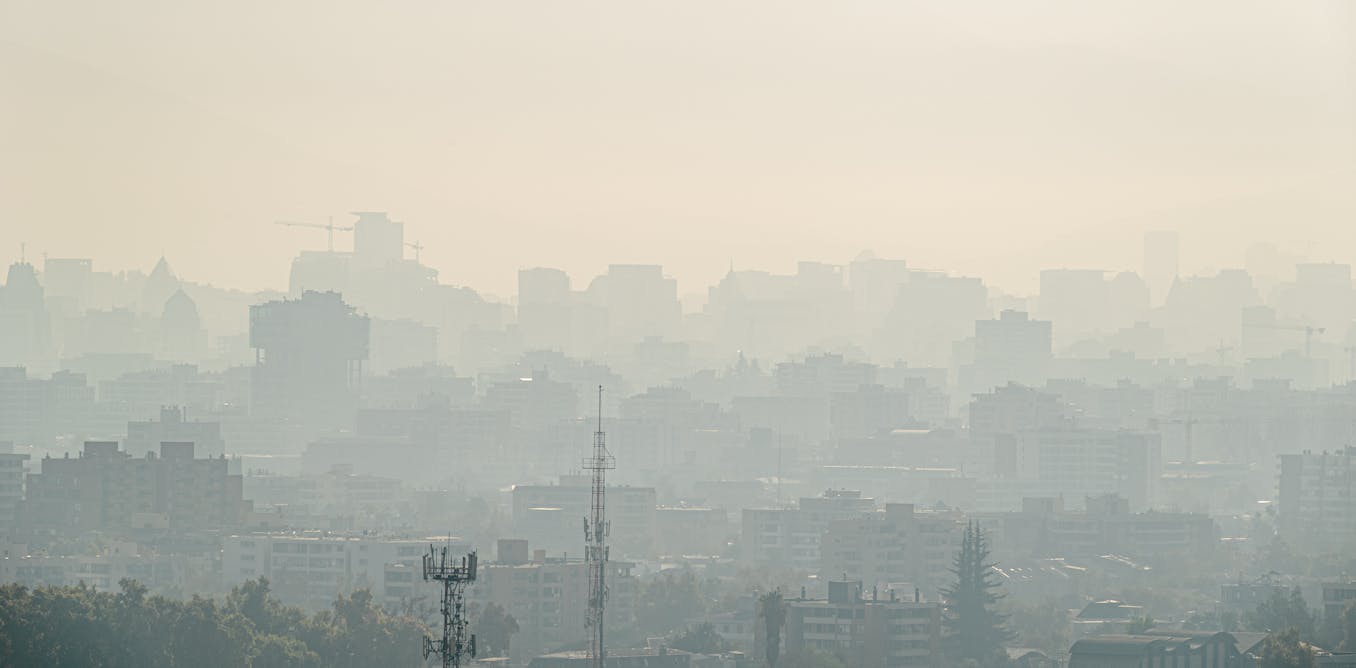
Air pollution may directly contribute to Alzheimer’s disease – new study
Angel Gruber/Shutterstock Air pollution has long been linked to heart and lung disease. But a large US study suggests it may also raise the risk of Alzheimer’s disease – the most common form of dementia. Researchers tracked nearly 28 million older adults over six years nationwide. They found that those exposed to higher levels of […]
Continue Reading