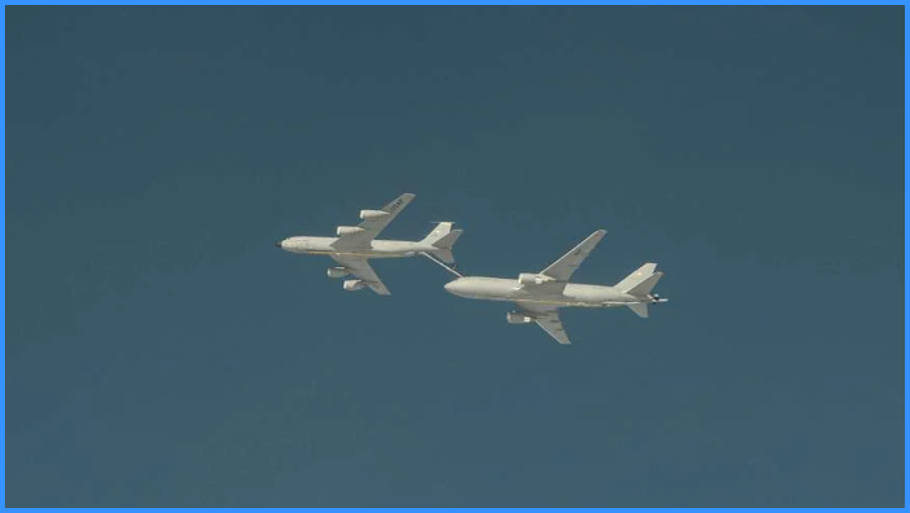
AL-ANBAR, IRAQ / WASHINGTON — The U.S. Department of Defense has confirmed that there are no survivors from the KC-135 Stratotanker crash that occurred in western Iraq on Thursday, March 12, 2026. While initial reports from the Associated Press suggested five personnel were aboard, military investigators concluded on Friday that a sixth crew member was also on the manifest. All six are now confirmed deceased, marking the single deadliest aviation incident for American forces since the beginning of regional hostilities on February 28.
The announcement shifts the focus from an active search-and-rescue operation to a grim recovery mission and a high-stakes forensic investigation into the cause of the disaster.
The Investigation: Ruling Out Hostile Action
The crash took place in the vast desert expanses of Al-Anbar province, a region currently under firm U.S. and coalition air superiority. U.S. Central Command (CENTCOM) has maintained a consistent narrative regarding the “non-hostile” nature of the loss:
- Mid-Air Contact: Investigators are focusing on a “catastrophic mishap” involving a second KC-135 tanker. While the second aircraft sustained significant damage, it was able to divert and land safely at Ben Gurion Airport in Israel.
- No External Fire: Satellite telemetry and “black box” data retrieved from the debris field indicate no signs of missile impact, anti-aircraft fire, or internal sabotage.
- Structural Integrity: The probe will examine whether the high operational tempo of Operation Epic Fury—which has seen tankers flying near-constant sorties for 14 days—contributed to mechanical fatigue or pilot error during a delicate night-refueling maneuver.
The Human Toll: “A Dark Day for the Air Force”
The loss of the six crew members has sent shockwaves through the U.S. Air Force community. Unlike fighter pilots, the crew of a Stratotanker—a modified Boeing 707—do not have the option of ejection seats, leaving them entirely dependent on the structural airworthiness of the vessel in an emergency.
- Casualty Milestone: These deaths bring the total U.S. combat-zone fatalities in the current conflict to 17.
- Family Notifications: The Pentagon is currently in the 24-hour “blackout” period, waiting to release the names of the fallen until all next of kin have been formally notified.
- The Sixth Member: Officials clarified that the sixth individual was an additional mission specialist on board to coordinate the heavy volume of “receiver” aircraft during the mission.
Operational Strain: The “Refueling Bridge”
The crash underscores the extreme pressure on the U.S. military’s logistical “nervous system.” With the Strait of Hormuz closed and regional bases under threat, the Air Force has relied on a continuous “refueling bridge” to keep strike packages airborne over Iran.
“The loss of six brothers and sisters in arms is a heavy burden for the entire joint force,” a senior Pentagon official stated on Friday. “But the mission to secure the region and neutralize offensive threats continues without pause.”
Strategic Outlook: The “Saturday Ultimatum”
The tragedy comes just 24 hours before the expiration of President Donald Trump’s “Saturday Ultimatum” to Tehran. Despite the loss of the tanker and its crew, the White House has signaled no intent to scale back operations. In fact, Secretary of Defense Pete Hegseth indicated that strike volumes are expected to reach record highs over the weekend as the U.S. seeks an “unconditional surrender” from the wounded Iranian leadership.
As recovery teams conclude their work in the Iraqi sand, the fallen six represent the mounting human cost of a war that shows no sign of a diplomatic exit.
KC-135-Stratotanker-Refueling-Aircraft-Picture-by-Nara