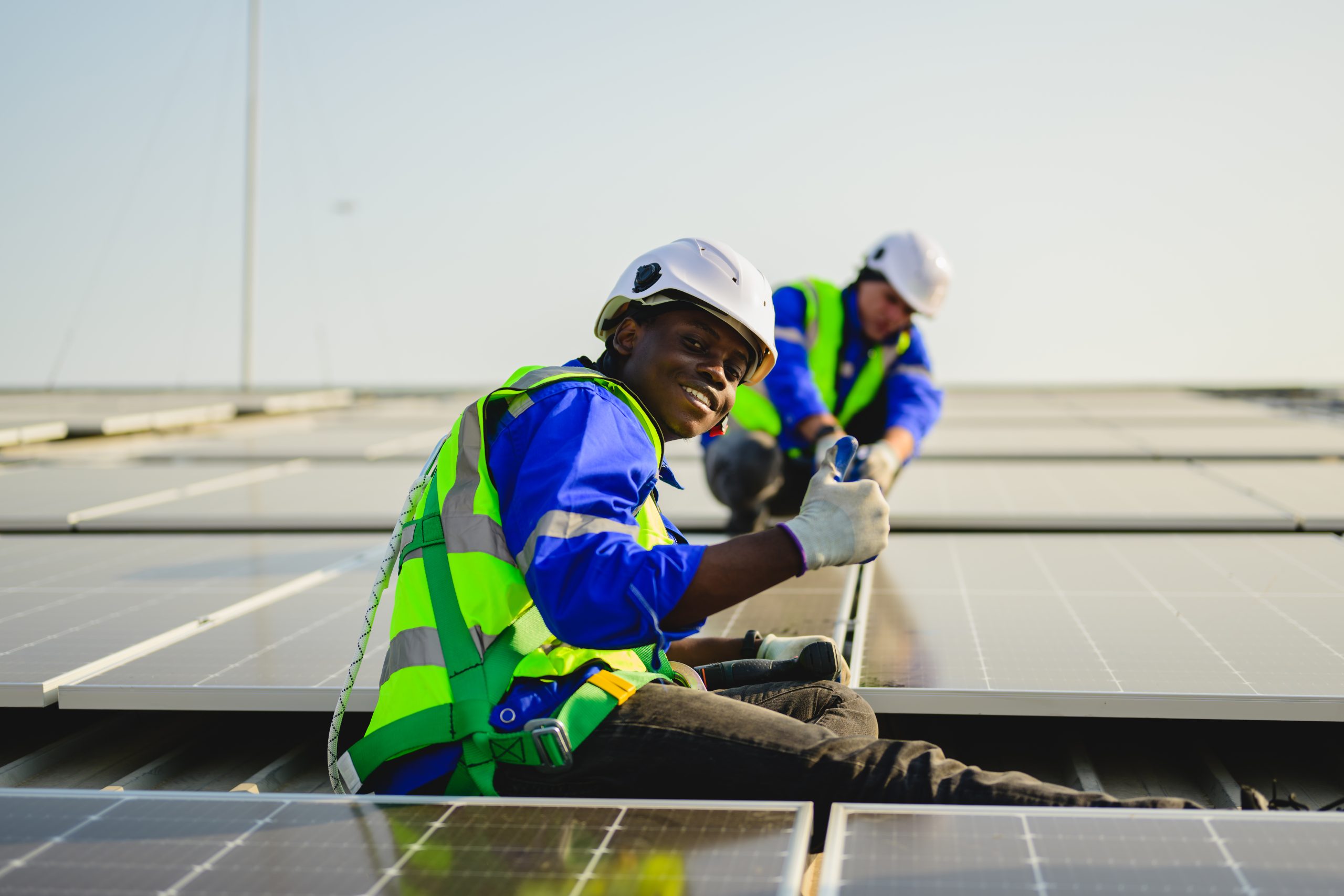
Across many parts of Africa, solar energy is beginning to play a much larger role than in previous years. What long remained a promise, that the continent’s exceptional sunlight could drive a major energy transition, is gradually becoming visible in everyday life. Thanks to falling prices, new financing models and growing demand, solar is reaching households and communities that have spent decades without reliable electricity.
A Continent Defined by Potential and Energy Gaps
Africa has some of the best solar conditions in the world, with vast regions receiving exceptionally strong sunlight. Yet energy poverty remains widespread, and hundreds of millions of people still lack reliable access to electricity and suffer severe electricity shortages in many regions.
At the same time, Africa already relies heavily on renewable energy. According to UN data, 55.5% of the continent’s total energy consumption comes from renewable sources, the highest share of any world region. Several countries already generate the majority of their electricity from hydropower and other renewables, with some exceeding 90% renewable electricity generation.
A Noticeable Increase in Solar Capacity
Recent data show that solar deployment is rising sharply. An analysis by the energy think tank Ember reports that African countries imported 15,032 MW of solar modules from China in the 12 months up to June 2025, marking a 60% increase compared to the previous year.
The trend is not limited to traditionally strong markets. Ember also highlights that solar imports outside the long-established solar leaders nearly tripled over the past two years, from 3,734 MW to 11,248 MW. At least 20 African countries registered record-high import volumes, and 25 countries imported more than 100 MW – both for the first time.
Expanding Access Through Decentralised Solutions
One of the most visible changes is the spread of decentralised solar technologies. Solar home systems, small rooftop installations and village-level mini-grids are spreading across rural areas where national grids do not reach or are unreliable.

These systems offer a consistent and independent source of electricity for households, health posts and schools. Many communities rely on them where hydropower generation fails during droughts or where public grids provide electricity only sporadically: problems of unstable and insufficient power supply in multiple countries.
The Role of Affordable Financing
A key factor driving the growth of small-scale solar systems is the rise of Pay-As-You-Go (PAYG) financing. This model allows households to pay for solar systems in small, regular instalments using mobile money services, rather than covering high upfront costs.
The payment system has proven especially important in regions where many people do not have access to traditional banking. Users can make payments via mobile networks, meaning the financing model works even in remote areas with limited infrastructure. PAYG has become one of the reasons why solar technologies are spreading rapidly among low-income households.
Everyday Improvements Through Reliable Electricity
The impact of decentralised solar is felt directly in daily life. Households are increasingly able to rely on electric lighting rather than kerosene lamps, giving families safer and brighter evenings. Children can study at night, small businesses can remain open longer, and local health facilities become more capable of providing reliable care when electricity is available.
Solar power reduces dependence on diesel generators, which are expensive to operate and often unreliable due to fuel shortages, problems widely reported across African electricity systems, such as declining hydropower and overloaded national grids.
A Transition With Long-Term Importance
While decentralised solar systems cannot replace the needs of large industries or fully substitute for strong national grids, they help close critical gaps in electricity access. Solar complements Africa’s broad renewable foundation, including large hydropower generation, and provides stability at times when water shortages or grid failures disrupt other energy sources.
Rising solar imports, new access models and expanding demand show a clear trend: solar energy is becoming an increasingly important part of Africa’s future energy system. The shift is driven not only by large infrastructure projects but also by millions of decisions made in households, towns and rural communities.
Africa’s solar transition is in an early phase, but it is progressing steadily. As affordability improves and more people gain access, solar energy is emerging as one of the most practical and socially impactful tools for expanding electricity access on the continent.