GENEVA — In an emergency session of the UN Human Rights Council on Friday, High Commissioner Volker Türk delivered a searing indictment of the Iranian government’s response to nationwide unrest, warning that “brutal repression” has failed to resolve the country’s deep-seated grievances. His appeal comes as the Islamic Republic navigates its deadliest internal crisis in recent history, with death toll estimates since late December 2025 ranging from an official 3,117 to independent reports surpassing 20,000 fatalities.
“The violent repression of the Iranian people does not solve any of the country’s problems,” Türk stated before the Council on January 23, 2026. “On the contrary, it creates conditions for further human rights violations, instability, and bloodshed.”
The “Digital Darkness” and Mass Casualty Crisis
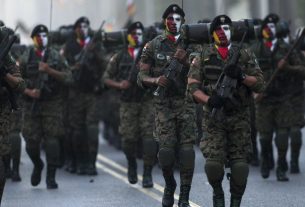
The High Commissioner’s address highlighted a “chilling” escalation in state tactics following the nationwide internet and telecommunications blackout imposed on January 8. This shutdown—the longest in Iran’s history—has functioned as a digital shroud, masking reports of security forces allegedly using live ammunition in residential areas and conducting raids on hospitals to arrest injured protesters.
- Casualty Surge: While Iranian authorities admit to over 3,000 deaths, the UN Special Rapporteur on Iran warned that the true figure likely exceeds 20,000, with morgues and hospitals in cities like Mashhad and Tehran reportedly overwhelmed.
- Mass Detentions: At least 27,000 individuals are believed to be in custody, including children, journalists, and high-profile cultural figures.
- Impunity: Türk noted the broadcast of nearly 100 “forced confessions” on state media, raising grave concerns over the systemic denial of due process.
A Six-Point Mandate for Reform
Türk presented a direct six-point appeal to the leadership in Tehran, framing it not just as a critique, but as a roadmap to “repair the social contract” with a disillusioned populace.
| Action Item | UN Mandate Requirement |
| End Repression | Immediate withdrawal of militarized security units from urban centers. |
| Release Detainees | Unconditional freedom for all those held for peaceful assembly. |
| Death Penalty Moratorium | A complete halt to executions, specifically for protest-related charges like moharebeh (“enmity against God”). |
| Restore Connectivity | An end to the systematic practice of internet shutdowns. |
| Accountability | Independent, transparent investigations into state-led violence and “summary trials.” |
| Initiate Reforms | Policy shifts that prioritize the “aspirations and needs” of women, youth, and minorities. |
Global Stakes and Regional Stability
The UN Human Rights Council responded to the crisis on Friday by passing a motion to launch an “urgent inquiry” into the recent violence, extending the mandate of the Independent International Fact-Finding Mission for another two years. This move intends to preserve evidence for potential future international legal proceedings.
Despite the crackdown, Türk emphasized that military force—whether from internal security or external threats—is not a tool for achieving human rights. He urged the international community to move beyond “aggressive rhetoric” and focus on regional de-escalation while ensuring that sanctions do not further punish the Iranian people.
“My most fervent wish,” Türk concluded, “is for this crisis to become a turning point for change that puts the rights, aspirations, and needs of the Iranian people first.”
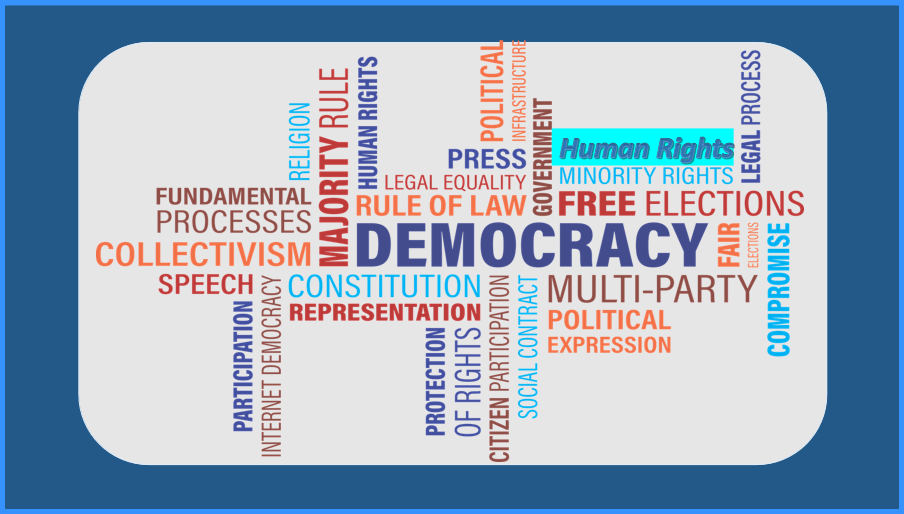
Human-Rights-Picture-by-Maialisa-pixabay.com-Adapted-by-Solomon-Alaka