LOS ANGELES/WASHINGTON D.C. — The Iranian diaspora across the United States is navigating a profound emotional chasm, experiencing a complex mix of jubilation, uncertainty, apprehension, and intense fear as joint U.S.-Israeli strikes fundamentally alter the political landscape of their homeland. In cities from Los Angeles—known as “Tehrangeles”—to Houston, Iranian Americans are watching the rapid escalation with mixed emotions, torn between the hope for regime change and terror for the safety of relatives still in Iran.
While thousands have taken to the streets to celebrate the reported death of Supreme Leader Ayatollah Ali Khamenei, dancing and waving Iranian flags, others have organized anti-war protests, deeply concerned that the military intervention will lead to prolonged conflict and immense civilian suffering.
Concern for Relatives Back Home
The dominant sentiment among the diaspora is one of acute anxiety for family members in Tehran, Isfahan, and other cities targeted during the offensive.
- Sporadic Communication: Following Iran’s retaliation, communication has been sporadic. Many Iranian Americans have spent days glued to their phones, trying to check on the safety of elderly parents and relatives in areas experiencing direct hits or severe infrastructure failures.
- Conflicted Reactions: For some, the joy of seeing the leadership they fled dismantled is tempered by the reality of military strikes. “It’s sad that we are happy, but what can we do?” said one Tehran-born salon owner in Los Angeles. “We have the worst government ever.”
- Fear of Escalation: Conversely, others fear the strikes will not bring liberation but will instead plunge the country into a long, conventional war, further isolating Iranian citizens from the rest of the world.
A Community’s Hope and Dread
The diaspora remains profoundly divided on the role of foreign intervention. Some view the strikes as a long-awaited opportunity for freedom, citing decades of oppression and the violent crackdown on recent protests. Others strongly oppose the U.S. military involvement, arguing that taxpayer money should be used for domestic issues rather than engaging in another “forever war” in the Middle East.
As the conflict intensifies, the diaspora watches and waits, paralyzed by the uncertainty of whether these actions will ultimately pave the way for a democratic Iran or simply trigger a deeper humanitarian catastrophe.
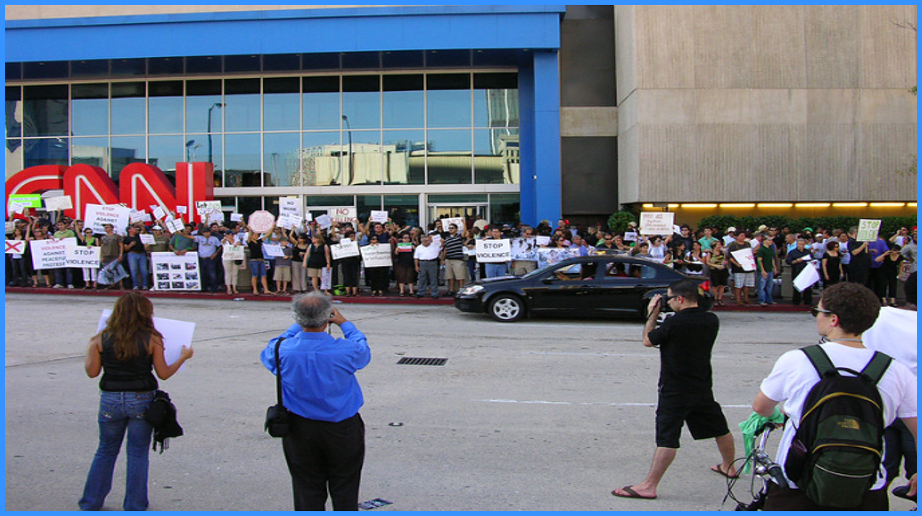
Iranian Americans at CNN Center in Atlanta Picture by Hiloxy for illustration purposes