Eleven military personnel, civilian employees, and contractors working for the National Security Agency (NSA) and U.S. Cyber Command have died by suicide this year, prompting congressional lawmakers and White House officials to seek urgent answers regarding workplace stress and mental health support across the U.S. intelligence and cyber workforce.
Ten of the deaths involved personnel assigned to the NSA and U.S. Cyber Command headquarters at Fort Meade in Maryland—where teams conduct foreign signals intelligence and cyber defense operations—while the eleventh death occurred at an agency facility in Georgia. Five of the suicides took place during a five-week span in June and July.
Key Details on the Cases and Congressional Response
- Identified Service Members: Among those who died during the summer cluster was 36-year-old Air Force Technical Sgt. Kevin Bernard Stallings, a digital network intelligence analyst at Fort Meade. After failing to report for duty on June 18, Stallings was found dead four days later during an Air Force welfare check from a self-inflicted gunshot wound, according to an autopsy report, amid financial strain, a divorce, and the death of his dog. His brother, Adam Stallings, criticized the four-day delay in checking on him, asking why officials had not checked sooner. On July 6, 40-year-old Maryland Air National Guard Capt. Kevin Paulson, a cyber effects operations officer, also died by suicide.
- Workplace Pressures and Congressional Action: Reports have pointed to high-stress, isolated shifts inside classified, windowless facilities where continuous operational demands and security restrictions can complicate access to routine support. In response, Maryland Democratic lawmakers—including Sens. Chris Van Hollen and Angela Alsobrooks and Rep. Sarah Elfreth—have sought $11 million in dedicated funding to expand embedded mental health resources within U.S. Cyber Command.
- Agency Measures: Spokespeople for the NSA and U.S. Cyber Command stated that leadership is tightening shift schedules, coordinating suicide prevention efforts across the armed services, and expanding access to mental health professionals directly inside secure workspaces.
If you or someone you know is struggling or in crisis, help is available. In the United States, call or text 988 or chat at 988lifeline.org to reach the Suicide & Crisis Lifeline, available 24 hours a day, 7 days a week.
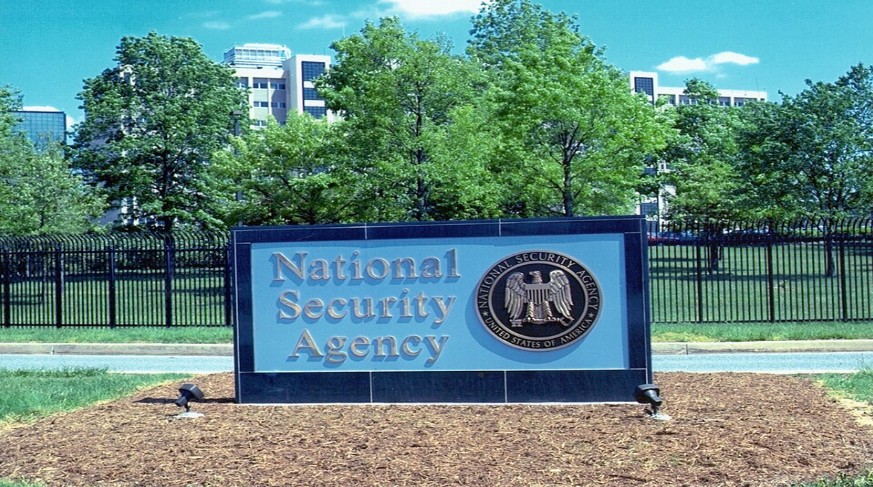
U.S.-National-Security-Agency-NSA-hq-Wiki-Picture-by-The-National-Security-Agency.j