(Bangkok) – The Malaysian government should reverse plans that would permit the forced return of refugees to Myanmar, where they face persecution and other rights abuses, Human Rights Watch said today.
On July 23, 2026, Malaysia’s deputy foreign minister informed parliament that 5,000 Myanmar nationals in immigration detention would be sent back to Myanmar. On July 29, Malaysian Prime Minister Anwar Ibrahim said that Myanmar authorities had agreed to take back 5,000 ethnic Rohingya.
“Malaysia has for many years hosted refugees from Myanmar who have fled unending oppression and atrocities by the Myanmar military,” said Bryony Lau, deputy Asia director at Human Rights Watch. “The Malaysian government should show regional leadership in responding to the crisis in Myanmar rather than forcibly returning people who are the targets of the junta’s brutality.”
There are no authoritative figures on the number of Myanmar migrants, refugees, and asylum seekers in Malaysia. More than 215,000 refugees and asylum seekers are registered with the Office of the United Nations High Commissioner for Refugees (UNHCR) in Malaysia, about 194,000 of them from Myanmar, including 126,000 ethnic Rohingya. For decades, UNHCR has processed asylum requests in Malaysia and provided successful applicants with cards recognizing them as refugees, but the cards do not grant legal status.
Recent announcements by Malaysian officials about UNHCR’s role and plans to send people back to Myanmar come amid surging immigration raids and xenophobic rhetoric that have fostered intense public hostility toward refugees and mistrust of UNHCR.
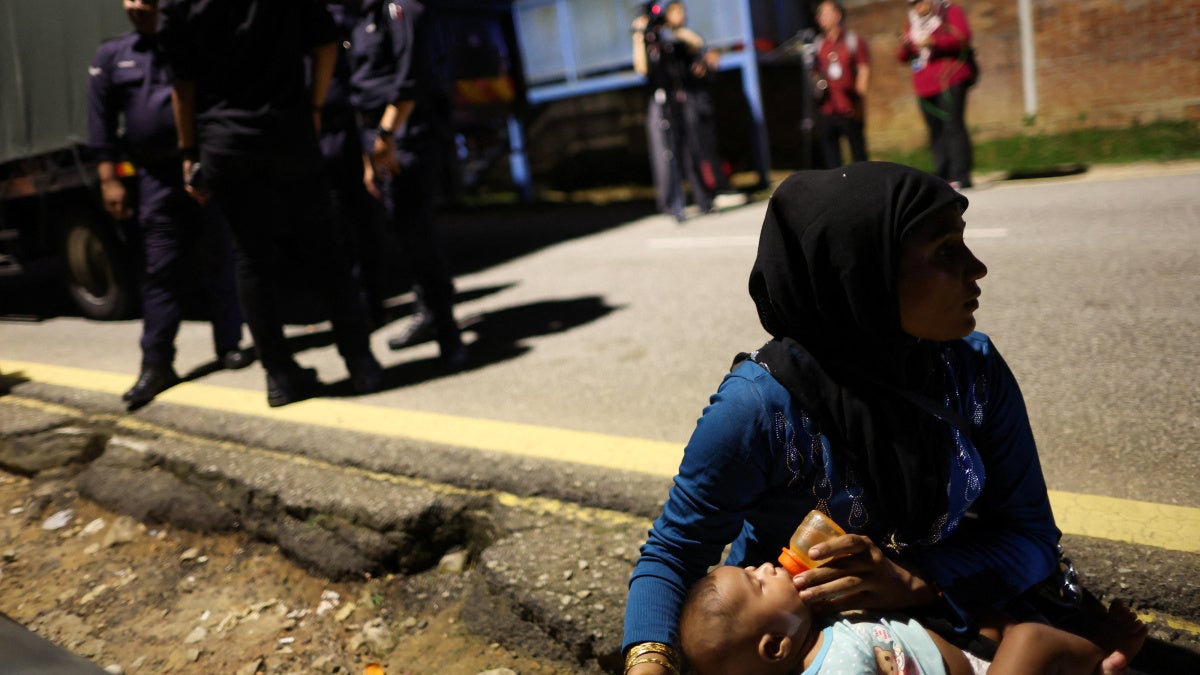
Malaysia has long lacked a legal framework for determining refugee status and all irregular entry and stay in the country is a criminal offense. Malaysian authorities strictly enforce immigration laws and do not distinguish among refugees, asylum seekers, trafficking victims, and undocumented migrants in conducting raids.
As of June 30, 22,166 people were in Malaysia’s immigration detention centers, about half of them from Myanmar, according to statistics provided by the home minister to Parliament.
On July 30, the home minister said that preparations were already underway to identify individuals who could be sent back through a new process to issue a Refugee Registration Document (Dokuman Pendaftaran Pelarian, or DPP), Malaysia’s new system for assessing asylum claims and registering refugees.
The government initiated the DPP system in January to take over responsibility for refugee registration from UNHCR and to improve oversight and minimize fake documentation. Refugees registered through the new system will be allowed to stay in Malaysia temporarily and will have the right to work, according to the terms of an unpublished directive by the National Security Council, known as MKN 23.
As of early July, Malaysian authorities had processed 128 Rohingya held in immigration detention through the DPP system, according to the home minister. Of those, 78 had been determined to be refugees, of whom 25 would be eligible to work. The minister did not explain what would happen to Rohingya who had not been granted refugee status.
Malaysian authorities have not indicated whether the system will comply with basic standards for refugee status determination, such as nondiscrimination, criteria grounded in international law, procedural integrity, strict confidentiality, data protection, and access to appeal, Human Rights Watch said.
As part of the rollout of the new system, the Malaysian government told UNHCR in July to temporarily stop registering refugees. The change further curtails UNHCR’s activities in Malaysia. Since 2019, the Malaysian government has denied UNHCR access to immigration detention centers, preventing the agency from reviewing asylum claims or assisting detainees who are registered refugees.
While Malaysia has not ratified the 1951 UN Refugee Convention or its 1967 protocol, it is still obligated to respect the international law principle of nonrefoulement, which prohibits countries from returning anyone to a place where they would face a real risk of persecution, torture or other serious ill-treatment, a threat to life, or other comparable serious human rights violations.
Since the February 2021 military coup in Myanmar, Malaysia has summarily deported thousands of asylum seekers to Myanmar without assessing their asylum claims or other protection needs and in violation of a Malaysian court order. In May 2024, UNHCR issued guidance stating that people fleeing Myanmar “are likely in need of international refugee protection.”
Conditions for safe, dignified, and voluntary return to Myanmar do not currently exist, Human Rights Watch said. The Myanmar military continues to commit war crimes and crimes against humanity. Junta authorities have arbitrarily arrested tens of thousands of people since the coup and thousands have died in custody.
Rohingya, as the largest ethnic group from Myanmar in Malaysia, have been the focus of public anger toward refugees. In late May, an online petition calling for the removal of Rohingya refugees, accompanied by a disinformation campaign, caused an escalation in hate speech and vigilante violence targeting Rohingya.
Rohingya have fled Myanmar to escape successive waves of atrocities against them by the Myanmar military. These atrocities include acts of genocide in 2017, the crime against humanity of apartheid, and more recent war crimes and other abuses by the ethnic Rakhine armed group, the Arakan Army, which has been fighting the Myanmar military for control of Rakhine State since late 2023. Myanmar’s denial of citizenship to Rohingya has left them especially vulnerable to human rights violations.
“The Malaysian government is fueling hostility towards refugees when it should be building support for and trust in its new refugee registration system,” Lau said. “People fleeing Myanmar have come to Malaysia seeking protection and should be able to stay while their asylum claims are fairly assessed, without living in fear of harassment, arrest, and forced return.”