Detroit’s borders encompass 139 square miles, a footprint large enough to fit Manhattan, Boston and San Francisco combined.
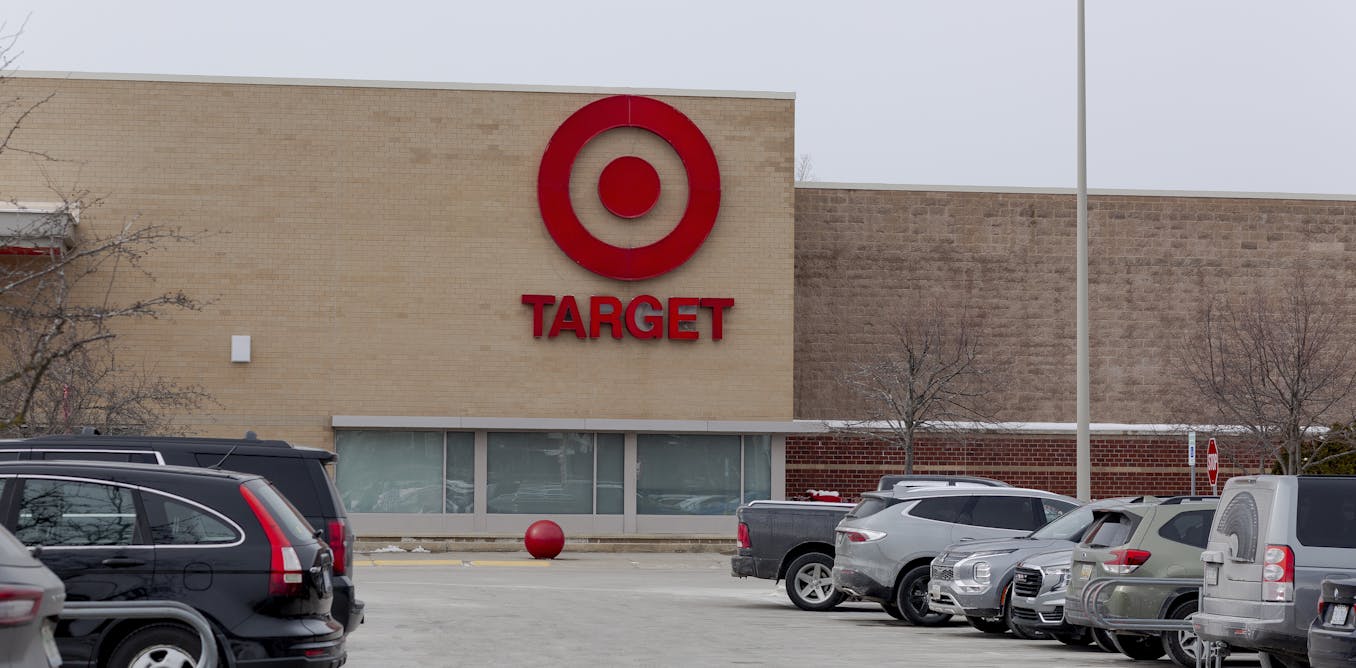
Yet, unlike these other urban centers, Detroit has a relatively low number of national “big-box” retailers.
Outside of the city’s downtown and midtown business districts, there exists one Home Depot, two full-sized Meijer locations and a Meijer mini-market within the city.
When families look to buy home goods, school apparel or electronics, they often need to travel to nearby suburbs such as Dearborn, Southfield or Oak Park.
“I shouldn’t have to drive to the suburbs,” said one Detroit resident in a Wayne State University food access and retail study, which reflects a common perspective among city residents.
Detroit Mayor Mary Sheffield introduced a bold retail attraction strategy during her first State of the City address in March 2026. The initiative aims to capture the estimated US$3 billion that Detroit residents spend in suburban communities due to the lack of retail options closer to where they live.
To lead the charge, Detroit announced the hiring of Addofio Addo, a former Bedrock executive, as the city’s first director of retail attraction in July 2026. He’ll lead efforts to bring national and regional chains into the city.
I am a Ph.D. candidate studying fiscal and social policy, with a specific interest in local tax reform and urban economic development. As a Detroit native, the topic of retail attraction for the city aligns with my research.
My co-author, Stephanie Leiser, is the director of the Center for Local, State, and Urban Policy at the University of Michigan where I am studying.
Although attracting retail brands remains a struggle for Detroit, here’s how city leaders can take on multiple approaches to address this issue.
Why national retailers don’t invest in Detroit
After the city’s population peaked at nearly 1.85 million residents in 1950, widespread deindustrialization combined with racial conflict notably affected the automotive industry. These events led to over 600,000 residents relocating outside of the city by 1980.
Stores need customers, so when hundreds of thousands of residents abandoned Detroit for the suburbs, retailers soon followed. Detroit’s tax base hollowed out, creating a fiscal crisis and ensuing bankruptcy that is just now starting to turn around.
Today, these same factors make it difficult to convince national brands to return or invest in Detroit for the first time. Retailers looking to expand into Detroit face high costs of entry, driven by the highest property taxes in the state.
Premium insurance rates for commercial properties and vehicles present an additional financial barrier. For vehicles in particular, rates can spike 25% to 40% higher than the average cost in Michigan, which can increase the cost of moving goods and maintaining retail inventory.
These high operating costs are paired with a perceived low return on investment. Because the city’s median household income is $39,938, corporate analyses often project low profit margins, making retailers more reluctant to expand or relocate in Detroit.
While this challenge is well documented in low-income urban centers across the country, it is particularly severe in Detroit, given the city’s immense geographic footprint.
Sheffield said that poverty is the primary hurdle in attracting national brands such as Costco and TJ Maxx during the Mackinac policy conference in May 2026.
She declared that “poverty elimination is a growth strategy,” and raising household income is necessary to attract major retail investments.
Sheffield has already managed to make some progress on this promise. As of July 2026, 1,143 full-time city workers now receive a minimum livable wage of $21.45 an hour, or $44,616 annually.
While this acts as a first step, broader, long-term strategies will be required to bridge the retail gap and sustain the city’s growth.
Strategies that could entice retailers
To attract national retail chains, Detroit can explore policy reforms to reduce property tax burdens, offset high insurance costs and provide an incentive for higher resident wages.
Finding other sources of revenue to replace a portion of property taxes has stirred debate among local policymakers.
To achieve this, Detroit would need state leadership to pass new legislation because state law restricts the city from raising taxes. The question that remains is which proposals best suit the city.
Since 2017, policymakers have introduced four pieces of legislation to authorize Detroit to implement an entertainment tax.
A report from the Citizens Research Council of Michigan, a public policy research organization, indicates that a 3% to 10% tax on tickets sold at the city’s professional sports arenas, concert halls and theaters could generate between $14 million and $47 million annually. For example, Chicago levies a 9% to 10.25% tax on sports and digital entertainment such as Netflix.
This could be a starting point to reduce the property tax burden for homeowners and businesses.
A more comprehensive measure discussed by the City Council is a local-option sales tax applied to tangible goods such as appliances, clothing and electronics purchased in the city.
Projections from Public Sector Consultants, which develops public policies for Michigan, reveal that a 1% sales tax could generate between $71 million and $82 million annually, which is enough to reduce property taxes by 12% to 14%.
Critics note that general sales taxes are regressive, meaning they take a larger percentage of earnings from low-income residents. In addition, a constitutional amendment would be needed to implement this type of tax in Detroit.
This might be counterproductive for attracting new retail because it would encourage people to do their shopping outside the city to avoid the tax.
Instead of a citywide sales tax, Detroit could consider a targeted tax within its downtown and midtown districts.
A food and beverage tax is a common tool used by cities and counties to fund infrastructure and public services. Minneapolis, Minnesota, has a 3% tax on alcoholic beverages and another 3% tax on food at restaurants located within its downtown.
In Detroit’s case, this could capture the existing economic activity generated by visitors, commuters and tourists. The pathway to adoption resembles that of a sales tax, with the addition of repealing the 2017 statewide ban on taxing food and beverages.
Nic Antaya/Getty Images
Insurance rates are dictated by a property’s risk profile, which includes fire vulnerability, structural integrity and security infrastructure.
Local governments can provide incentives for physical upgrades that can lower a business’s long-term costs. Detroit already has successful initiatives that could be adapted to help lower insurance rates.
The Detroit Economic Growth Corporation could launch a dedicated “risk and safety” track within Motor City Match, a program that provides funding and resources for businesses and entrepreneurs.
These grants could be designated for retail and commerce to support upgrades, such as modern fire suppression systems, reinforced security glass and wind-resistant roofing.
This framework can also be replicated to support retail delivery fleets and supply chain vehicles through public-private partnerships funding advanced safety technology and fleet-tracking software.
By offering targeted matching grants, the city could subsidize the upfront costs of improvements for incoming retailers.
The median household income in Detroit is arguably the most significant barrier in preventing retail from opening in Detroit.
The city could offer tax credit incentives that reward employers who hire local residents.
Detroit could model a performance-based policy after Toledo, Ohio’s Municipal Jobs Creation Tax Credit program. Toledo provides a credit against a company’s net profits tax liability if it meets the city’s standard of wages being no less than $20.63 per hour, or 130% of the annually updated federal poverty level.
The primary aim of this program is to attract and retain companies in target industries and increase the number of high-paying jobs for local residents.
This is combined with the Toledo Expansion Incentive program, which provides grant funding to incoming businesses within the city.
Both programs have resulted in millions of dollars in private sector and grant-funded investments, along with expanded employment opportunities for city residents.
Detroit could effectively model an incentive-based program to create a virtuous cycle of attracting national and regional retailers while simultaneously increasing wages for residents.