Congress is currently considering two bills on Sudan: the Preventing External Aggression and Conflict Escalation (PEACE) in Sudan Act of 2026 in the Senate and US Engagement in Sudanese Peace Act in the House of Representatives. These bills contain several positive initiatives but should go further on accountability.
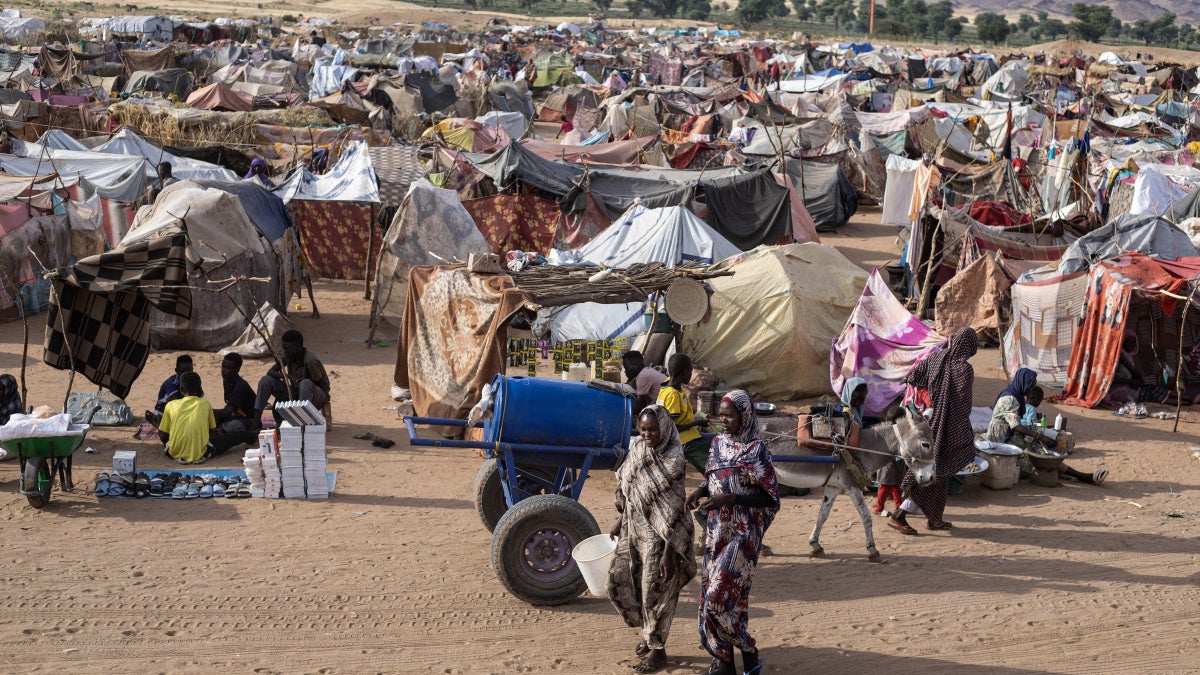
Human Rights Watch has documented widespread abuses by both the Rapid Support Forces (RSF) and the Sudanese Armed Forces (SAF), including attacks against civilians by both groups, widespread sexual violence by the RSF, and evidence of ethnic cleansing by the RSF in West Darfur.
Although the administration has taken important steps on Sudan, including sanctions on both parties to the conflict, the US government has failed, along with the international community, to apply sufficient pressure to stop the atrocities and improve humanitarian conditions. Both bills bolster the US government’s response to the conflict, including by reinforcing the role of the special envoy on Sudan, which is currently vacant, and enabling the US to sanction those responsible for abuses in the country.
The House’s legislation authorizes US government support for a United Nations, African Union, or multinational force in Sudan. Human Rights Watch has consistently urged the UN Security Council to authorize the deployment of a civilian protection mission in Sudan
Both bills would also require the US government to identify foreign governments’ activities in Sudan and whether they are in violation of the UN arms embargo. The House bill would ban the sale of major defense equipment to any government supplying weapons to the RSF or SAF, unless waived for national security reasons.
These are welcome proposals given the growing evidence that the RSF has received military support from the UAE and recent Human Rights Watch findings that a UAE-based company hired Colombian private military contractors that trained at UAE military bases before deploying to Sudan to support the RSF.
Congress should enhance accountability measures in the bills to ensure the US government plays an active role in seeking a comprehensive approach to accountability in Sudan. Congress should direct the administration to support ongoing investigation efforts of serious international crimes, including support to the collection and preservation of evidence for future accountability processes to advance justice for victims.
By pushing for such legislation, Congress can play a vital role in responding to the human rights crisis in Sudan.