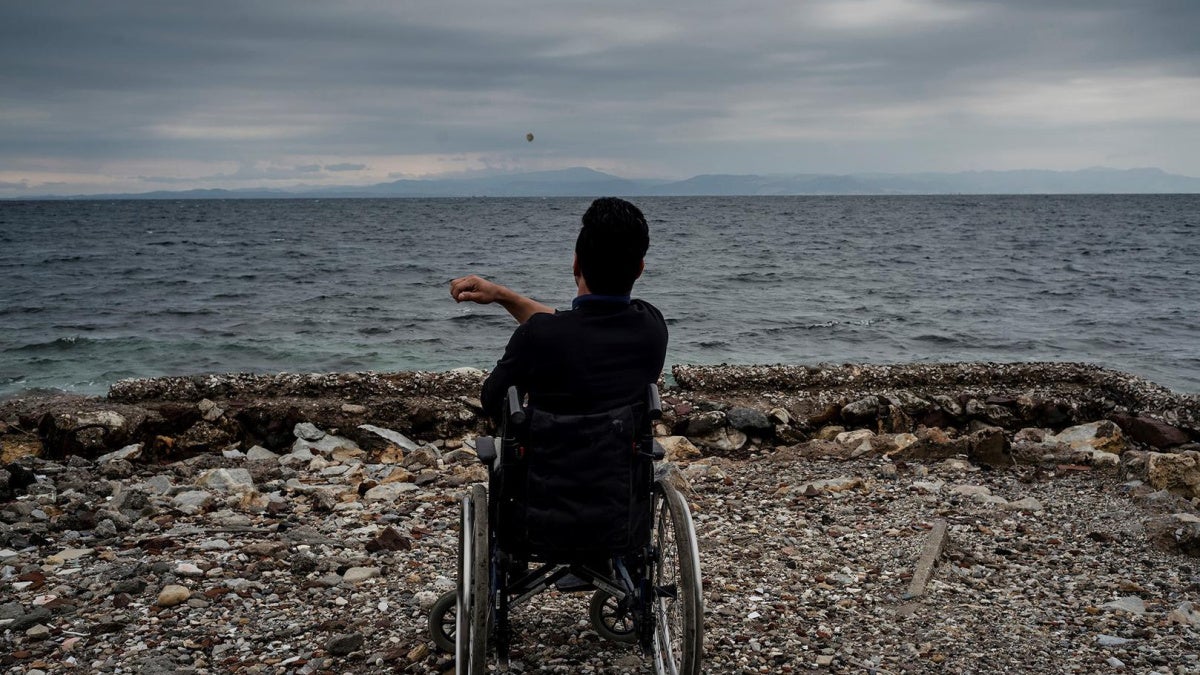
The European Union’s Pact on Migration and Asylum, a sweeping overhaul of the EU’s migration rules that entering into force on June 12, risks weakening protection for migrants and asylum seekers with disabilities. Disability rights groups warn that the Pact lacks clear safeguards to ensure disability-inclusive screening, reception and full and fair asylum procedures.
In a joint policy brief, the European Disability Forum and the International Refugee Assistance Project (IRAP) affirmed that the Pact represents a missed opportunity to address the exclusion of migrants with disabilities. Elham Youssefian, IRAP’s Director of Disability Inclusion and Accessibility said that “more restrictive migration policies make it even more difficult for migrants and asylum seekers with disabilities to access their fundamental rights in the EU.”
The Pact establishes screening procedures that include “preliminary vulnerability checks” intended to identify asylum seekers’ support needs, primarily health related. However, it provides limited guidance on how those needs should be identified and addressed in practice. The Pact’s continued reliance on vulnerability assessments and medical-based evaluations risks overlooking the accommodations and supports that people with disabilities may require throughout the migration process.
Failure to properly identify those needs during screening can result in people with disabilities being wrongfully detained or denied reasonable accommodation and other support necessary to participate effectively in all migration and asylum procedures.
The UN Committee on the Right of People with Disabilities has expressed concern that the Pact relies heavily on medical-based assessments and lacks clear procedures for evaluating disability-related support requirements through a human rights framework. Instead, a human rights approach would focus on identifying barriers and support needs rather than primarily assessing medical conditions.
Without clearer standards, implementation may vary significantly across EU member states. To date, most national implementation plans have not provided detailed information on how states will ensure disability-inclusive screening procedures, accessible information, reasonable accommodation or consultation with organizations of persons with disabilities. This fragmentation across the EU can potentially weaken protections for migrants and asylum seekers with disabilities.
EU member states should use their national implementation plans to close these gaps. They should establish disability-inclusive screening procedures, ensure accessible information and reasonable accommodation, and consult closely with organizations of persons with disabilities. Failure to do so risks deepening inequalities and denying meaningful protection to migrants and asylum seekers with disabilities.