(Johannesburg) – Vigilantes in South Africa have carried out violent xenophobic attacks targeting African and Asian foreign nationals in recent weeks, with little or insufficient apparent response from the police and other authorities, Human Rights Watch said today.
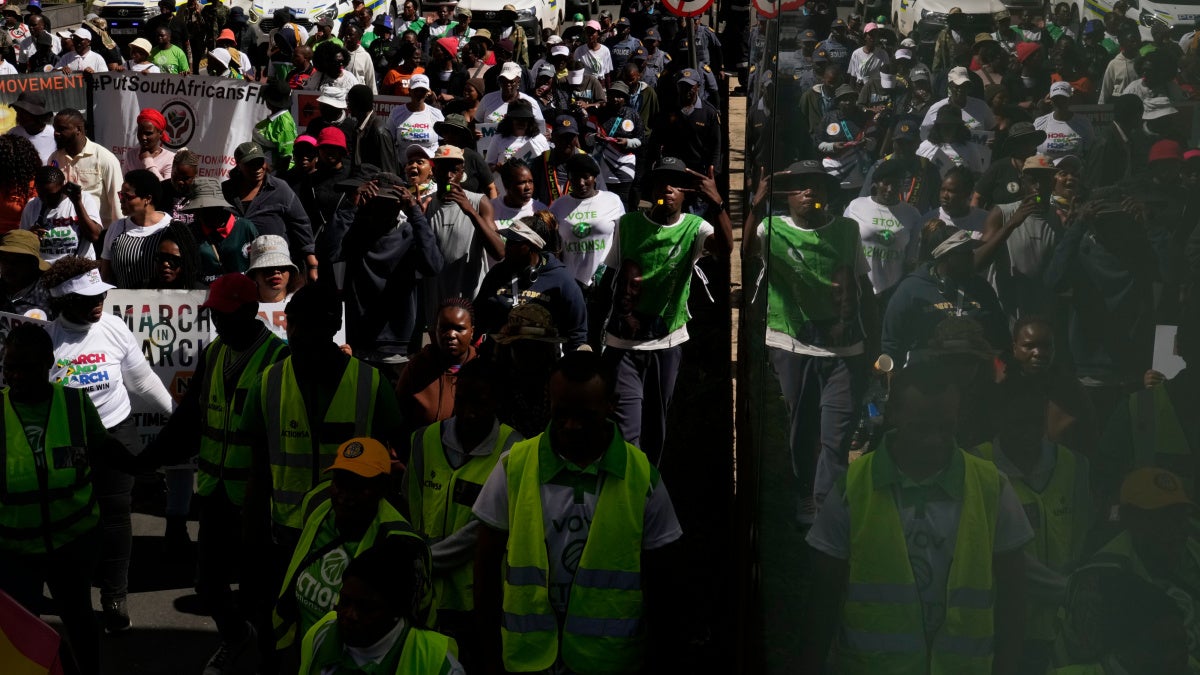
In April and May 2026, a citizen-led movement, March and March, that advocates more stringent immigration enforcement in South Africa organized demonstrations against undocumented migrants in major cities including Pretoria, Johannesburg, and Durban, with violent and sometimes fatal results.
“South Africa’s constitution and international human rights law protects the right to protest, but that does not include permission to commit violence,” said Nomathamsanqa Masiko-Mpaka, South Africa researcher at Human Rights Watch. “The authorities should not allow vigilante groups to violently target foreign nationals and instead need to protect them and bring those who harm them to justice.”
Since 2008—when 62 people, including 21 South Africans, 11 Mozambicans, 5 Zimbabweans and 3 Somalis, were killed—South Africa has been grappling with intermittent but widespread xenophobic harassment and violence against African and Asian foreign nationals living in the country, whether refugees, asylum seekers, or both documented and undocumented migrants.
Sporadic waves of violence erupted against foreign nationals in 2015, 2019—primarily targeting Nigerian nationals—and 2021-2022, with the rise of vigilante groups like Operation Dudula (“force out” in Zulu). Since 2024, the country’s deteriorating socioeconomic conditions, including an unemployment rate of over 43 percent, coincided with the rise of anti-immigrant activism and the formation of newer vigilante groups like March and March.
These groups scapegoat foreign nationals as the cause of South Africa’s economic woes, poor service delivery, and high rates of crime, despite studies that disprove these claims.
These groups have prevented foreign nationals from accessing health care and education in public facilities. In November 2025, the South Gauteng High Court granted an injunction against Operation Dudula, prohibiting its supporters from blocking migrants access to healthcare facilities.
Mpho Makhubela, a member of the Consortium for Refugees and Migrants in South Africa (CoRMSA) and an activist in the Kopanang Africa Against Xenophobia (KAAX) coalition, noted with concern the opportunistic nature of these groups.
“Vigilante groups feed off the country’s frustrations and socioeconomic rights regression, unemployment, [and] lack of efforts to address the equity gaps that we have as a country,” he said. “The reality is that the country has been faced with the enormous task of addressing the legacies of apartheid.”
A 43-year-old Cameroonian shop owner in Durban, who has lived in South Africa for nearly 20 years, said that people he believed to be affiliated with March and March attacked him on April 17, 2026, during protests in Durban targeting foreign-owned shops.
He closed his shop, locked the doors, and turned off the lights, but a group of approximately ten men broke down his door and, using a derogatory term, asked two South African women who run a hair salon in the shop about him. “They whipped me and my three colleagues who are not South African with golf sticks and sjamboks [heavy whips], and sprayed pepper spray on us,” he said. “They also used stun guns on us. We ran outside the shop, while unable to see clearly. They followed us outside and whipped us … no one came to assist us.”
The shop owner is married to a South African woman and lawfully living in South Africa, but he said his attackers did not seek to clarify his migration status. No law enforcement officers came to protect him, he said, similar to reports in previous years that South African police officers failed to protect foreign nationals, or worse, aided the attackers. The shop owner has not opened an assault case, as he does not have faith in the country’s criminal justice system.
Human Rights Watch has not verified reported cases of foreign nationals who died at the hands of vigilante groups during the demonstrations. However, a credible source described an episode days before the most recent protests in which police beat, tortured, and then placed a Malawian national in the trunk of a car after he did not produce proper documentation. The man died from his injuries.
On April 27, United Nations Secretary General António Guterres expressed concerns over the reported xenophobic harassment, discrimination, and attacks in South Africa. The African Commission on Human and Peoples’ Rights expressed similar concerns, calling on the government to investigate violence against foreign nationals and to ensure those responsible are held accountable and that affected migrants have access to justice and protection.
South Africa’s Constitution guarantees human rights, dignity, and equality to all within its borders, not only citizens. South Africa is party to the International Covenant on Civil and Political Rights and the African Charter on Human and Peoples’ Rights, both of which impose obligations for states to protect everyone in their jurisdiction against attacks motivated by discrimination, including on grounds of ethnicity, social origin, or birth.
South Africa is also party to the International Convention on the Elimination of All Forms of Racial Discrimination; attacks on foreign nationals have been a matter of concern for the committee that monitors state compliance with the convention for over a decade.
In December 2023, the committee called on South Africa to “take measures to effectively combat organized vigilante groups”; “provide victims of discriminatory acts with adequate redress and support”; “ensure their protection, as well as the protection of their property”; and “adopt measures to ensure accountability and end impunity, including by conducting effective, thorough and impartial investigations into all reports of abuse and violations of human rights perpetrated against non-citizens, and prosecute and punish those convicted adequately with penalties commensurate with the offences.”
“South African authorities should intensify efforts to address anti-immigrant sentiments and violence to ensure the safety and protection of at-risk foreign nationals in the country,” Masiko-Mpaka said. “Vigilante groups need to be held fully accountable, including through effective criminal prosecutions.”