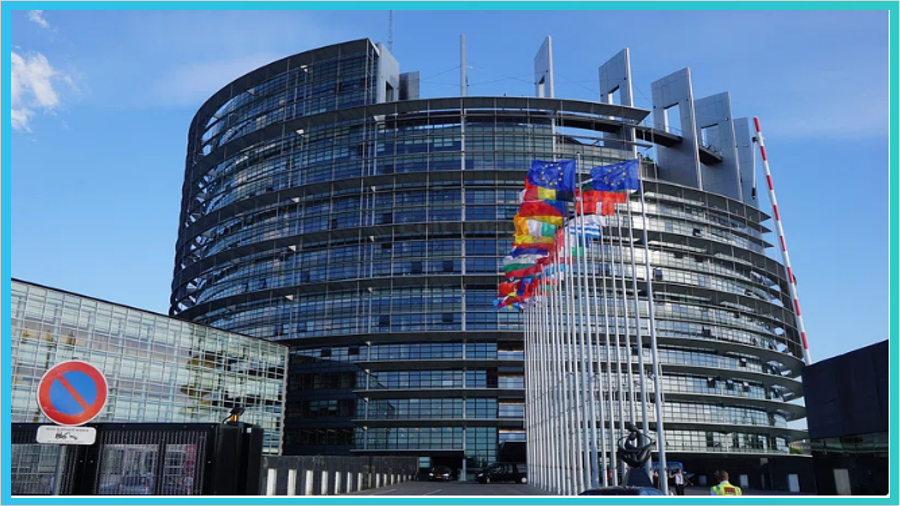
CAIRO — In a major boost to its economic resilience, Egypt has officially received a €1 billion ($1.16 billion) disbursement from the European Union. Announced on Thursday, January 15, 2026, the funds represent the first of three planned tranches under a massive €4 billion Macro-Financial Assistance (MFA) operation, a cornerstone of the EU-Egypt Strategic and Comprehensive Partnership.
The release of these funds follows Egypt’s successful implementation of 16 core structural reforms, signaling Cairo’s commitment to a more competitive and stable economy despite severe regional headwinds.
The Mechanics of the MFA Package
This disbursement is part of a broader €7.4 billion financial framework designed to stabilize Egypt’s economy. The MFA portion specifically consists of concessional loans with highly favorable terms, including a 35-year repayment period.
- Phase 1 Recap: A single €1 billion installment was successfully disbursed in January 2025.
- Phase 2 (The 2026 Push): The current €1 billion is the first of three installments scheduled for this year.
- Remaining Balance: An additional €3 billion is slated for release in two separate tranches later in 2026, contingent on continued reform progress.
Reforms Driving the Disbursement
The European Commission greenlit the payment after concluding that Egypt met stringent policy benchmarks. These reforms are designed to move the country away from state-led growth toward a private-sector-driven model.
| Reform Area | Specific Action Taken |
| Fiscal Governance | Improved public financial management and medium-term budgetary frameworks. |
| Market Functioning | Enhancements to the foreign exchange market to ensure currency stability. |
| Business Climate | Streamlined online licensing and competitive bidding for industrial land. |
| Green Transition | Implementation of waste-to-energy policies and sustainable water management. |
A Shield Against Regional Shocks
European Commission President Ursula von der Leyen described Egypt as a “key strategic partner,” noting that the funding is directed where it is “needed most.” The capital injection provides a critical buffer against external pressures, including:
- Red Sea Disruptions: Offsetting revenue losses from Houthi attacks on maritime shipping.
- Regional Conflict: Addressing the socio-economic spillover from the ongoing crisis in Gaza.
- Global Inflation: Easing balance-of-payments pressures and creating fiscal space for social protection programs in health and education.
The Bottom Line
The €1 billion disbursement is more than a financial lifeline; it is a vote of confidence in Egypt’s long-term structural overhaul. By aligning its National Structural Reform Program with EU and IMF benchmarks, Cairo is successfully extending its debt maturities and lowering short-term financial burdens, positioning the nation as a stabilized hub in the Mediterranean.