TEHRAN — In a move that sent shockwaves through global aviation corridors, Iran temporarily shuttered its airspace to nearly all commercial traffic on Wednesday, January 14, 2026. According to the tracking service Flightradar24, the Tehran Flight Information Region (FIR) was closed to all aircraft except for international flights granted explicit prior permission from the Iranian Civil Aviation Authority.
The closure, which began at approximately 5:15 p.m. ET, lasted for five hours before the restriction was lifted late Wednesday night. While the skies have officially reopened, the brief “blackout” highlights a region teetering on the brink of military confrontation between the Islamic Republic and the Trump administration.
A Sky Empty of Planes: The 5-Hour Shutdown
The sudden issuance of a Notice to Air Missions (NOTAM) caused an immediate disruption to international flight paths. Flight trackers showed a rapid “emptying” of Iranian and Iraqi skies as carriers like Air India and IndiGo rerouted mid-flight to avoid the region.
- Targeted Restriction: The NOTAM specifically blocked domestic and unauthorized transit flights, allowing only highly vetted international arrivals and departures.
- Carrier Reactions: Lufthansa and its subsidiaries (including Swiss and Austrian Airlines) announced they would bypass Iranian and Iraqi airspace “until further notice,” citing a “hazardous situation.”
- The “Last Plane”: Flightradar24 noted that IndiGo flight 6E1808 was the final non-Iranian passenger aircraft to exit the airspace before the shutdown took full effect.
Geopolitical Context: “Imminent” Strike Rumors
The temporary closure coincided with a surge in diplomatic and military posturing. Western military officials, speaking to Reuters, indicated that “all signals” suggested a potential U.S. military strike was imminent, though they noted that President Trump’s strategy often leans on unpredictability to keep adversaries “on their toes.”
| Key Event | Date/Time (2026) | Impact |
| National Strike | Jan 10 – Jan 14 | Widespread civil unrest and internet blackouts across Iran. |
| Airspace Closure | Jan 14, 17:15 ET | Near-total halt of civil aviation for 5 hours. |
| U.S. Personnel Shift | Jan 14, Evening | Withdrawal of some personnel from Al Udeid Air Base, Qatar. |
| Reopening | Jan 14, 22:00 ET | Flights resume; carriers remain on high alert for misidentification risks. |
The Risk of Misidentification
Aviation safety analysts at Safe Airspace warned that the primary danger during these high-tension windows is the “misidentification of civil traffic” by Iranian air defense systems. Memories of the 2020 shoot-down of Ukraine International Airlines Flight 752 remain a primary driver for why major Western carriers are choosing long-term diversions over the shorter Iranian routes.
President Trump, speaking from the Oval Office, stated that he had been assured “on good authority” that executions of protesters had paused, yet he maintained that the U.S. would “watch and see” before removing military options from the table.
The Bottom Line: A Volatile Sky
While the Iran airspace closure was brief, it serves as a stark reminder of how quickly regional civil unrest can escalate into a global logistics crisis. For now, the “southern route” via Saudi Arabia and Egypt has become the primary corridor for East-West travel, as the world waits to see if the temporary reopening of Tehran’s skies signals a genuine de-escalation or merely a pause before a deeper conflict.
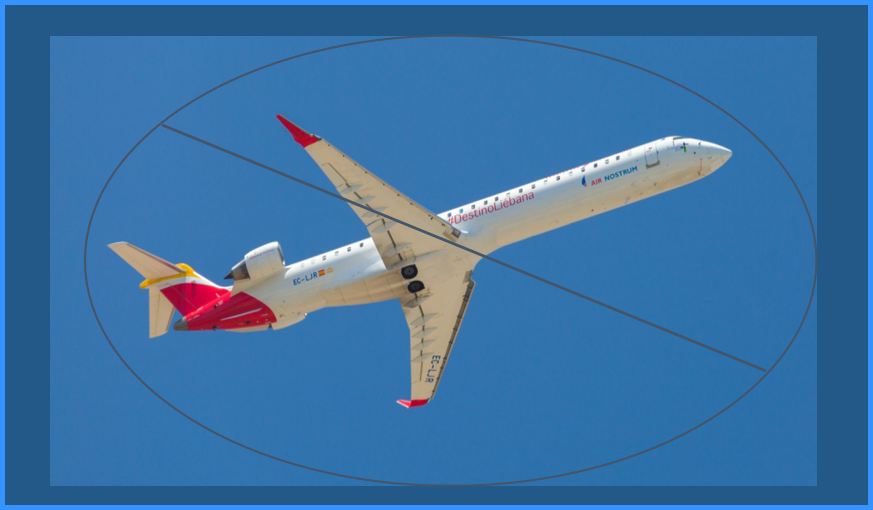
No Fly Zone, Plane Picture from publicdomainpictures.net