Shortlisted for the Georgina Mace Prize
About the research
Overview
Neglected tropical diseases often follow an uncomfortable rule: the people most affected are the ones least covered by surveillance. And if you cannot measure risk, you end up reacting late, or not at all. Schistosomiasis is a clear example. It affects more than 250 million people worldwide and disproportionately impacts people living in poverty. Around Lake Albert in western Uganda, prevalence can be extremely high in some communities, yet monitoring is limited by distance, infrastructure, and cost.
We cannot measure everything, but schistosomiasis gives us something concrete to track. Without the right freshwater snails, transmission cannot happen. So if we can predict where those snails persist, we can see where transmission is even possible. That is the motivation behind ATRAP, our citizen science project that trains and supports local networks to collect fine-scale data on intermediate host snails in rural settings.
In this paper, we test a practical question: Can citizen-generated data predict where the snails are as well as expert surveys? We show it can, when protocols are clear, observations are validated, and sampling effort is taken seriously. So, we do not have to choose between reach and rigor.
Surprises and challenges
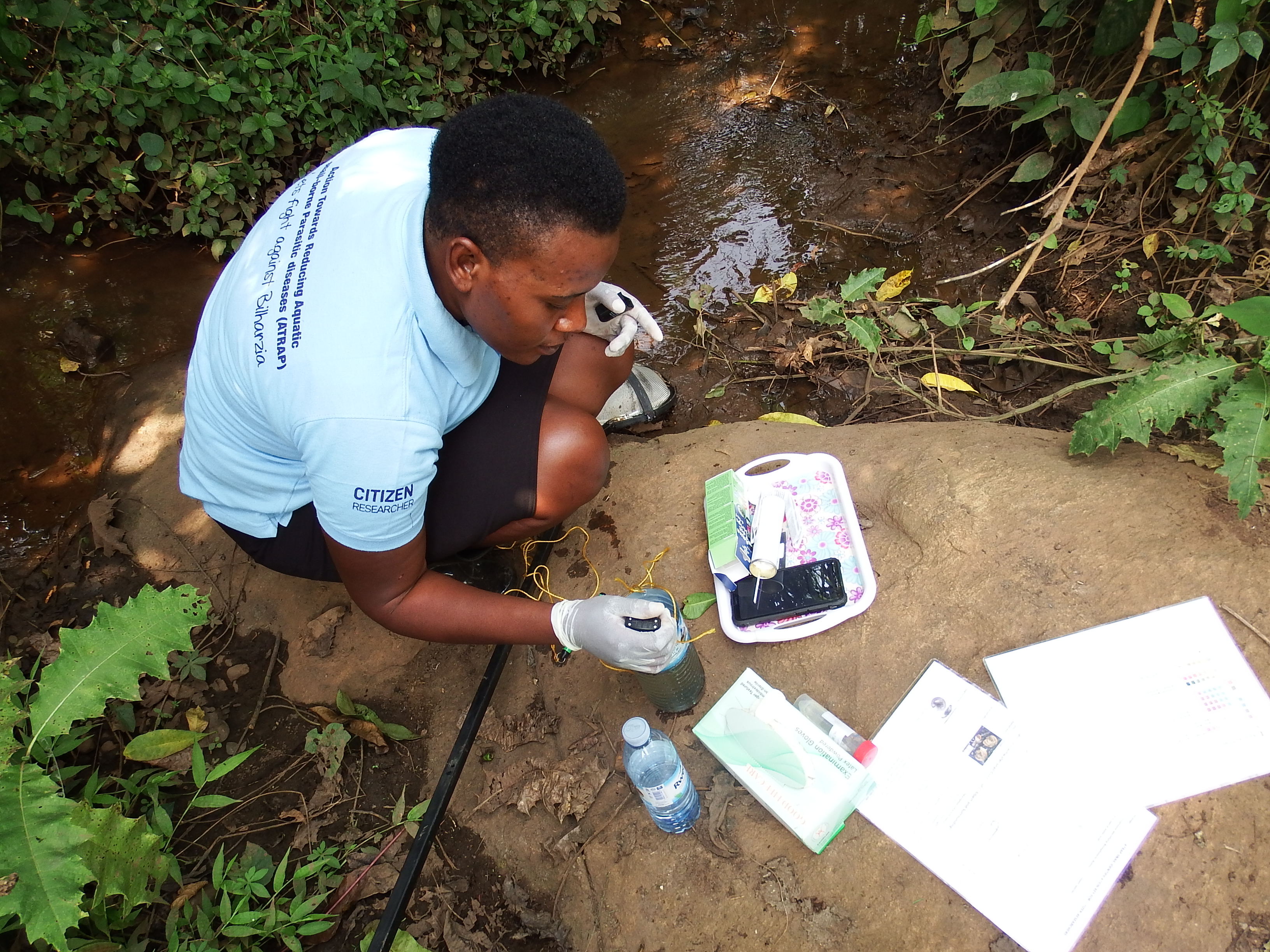
What stood out most was not a data problem, but a perception problem: citizen science is often treated with skepticism from the start. So instead of arguing, we built a workflow that could stand on its own: photo validation, effort metadata, careful filtering, and models that account for repeated visits and observer differences. Another challenge was the reality of fieldwork in rural settings: sampling is interrupted by illness, weather, or competing priorities. Rather than pretending conditions were perfect, we designed the analysis to learn from that variability and make uncertainty visible.
The happiest surprise was the engagement. Citizen scientists did not just submit reports; they wanted to understand the results and use them. In ATRAP, feedback (newsletters, explanations, refreshers) is not an extra; it is part of what keeps the science working and the network sustainable.
Next steps and broader implications
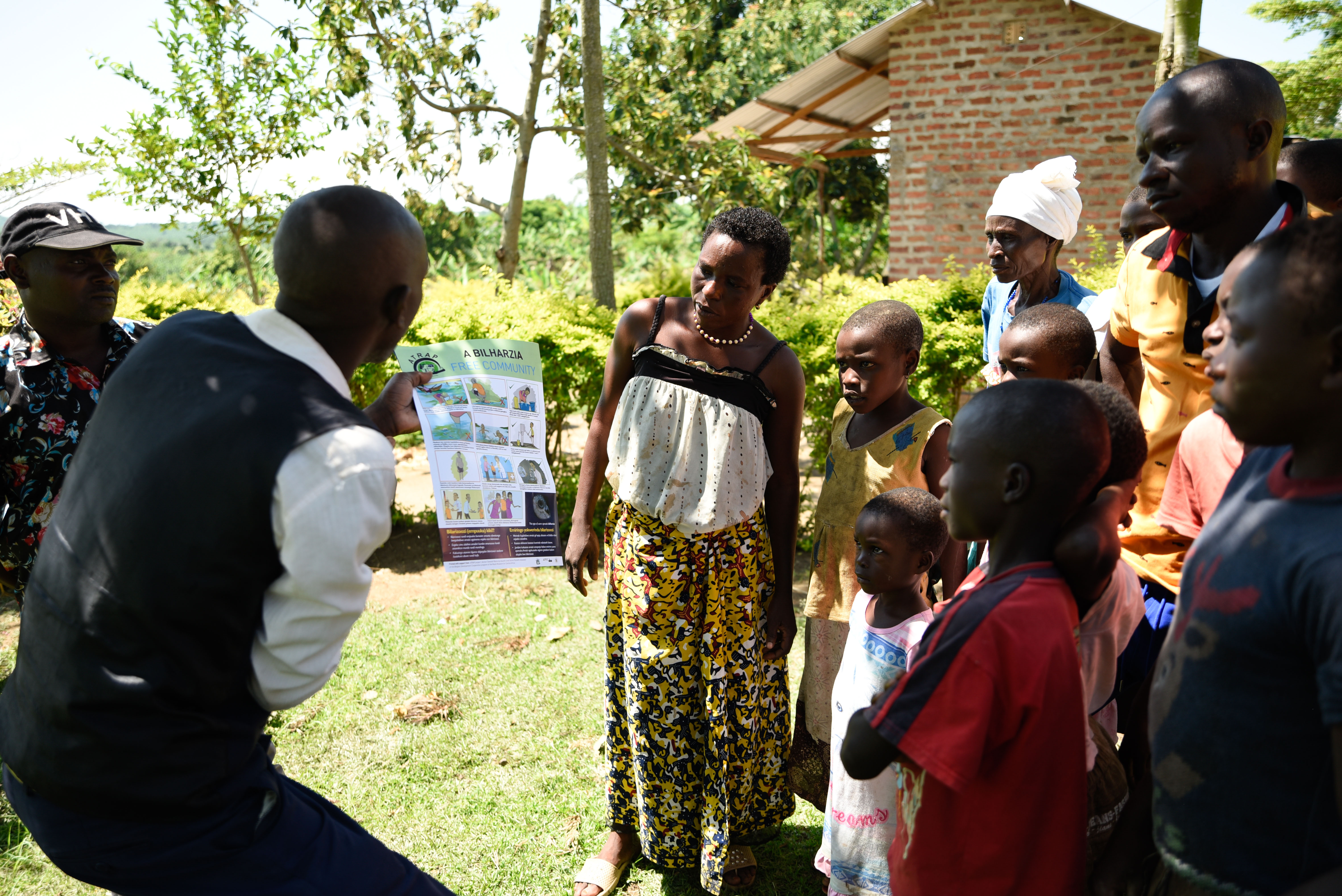
Engagement around ATRAP has been one of the most energising outcomes of this work. The data did not stay in a database: awareness and feedback triggered spillover actions. People began signposting where snails are found, and some communities initiated efforts to expand access to safe water, including new boreholes. We are now engaging with policy makers and stakeholders. Co-creation is becoming a real priority, not only with citizen scientists, but also with local government, NGOs, and schools.
Scientifically, the next step is to get closer to the mechanism. Snail presence is patchy and driven by microhabitat, so we need safe, realistic fine-scale variables that citizens can record consistently at sampling sites (e.g., water depth, substrate, aquatic vegetation). We also want to move beyond snail presence toward transmission relevance: ATRAP is exploring field-friendly options such as environmental DNA to detect parasite presence and evaluate the impact of interventions around Lake Albert.
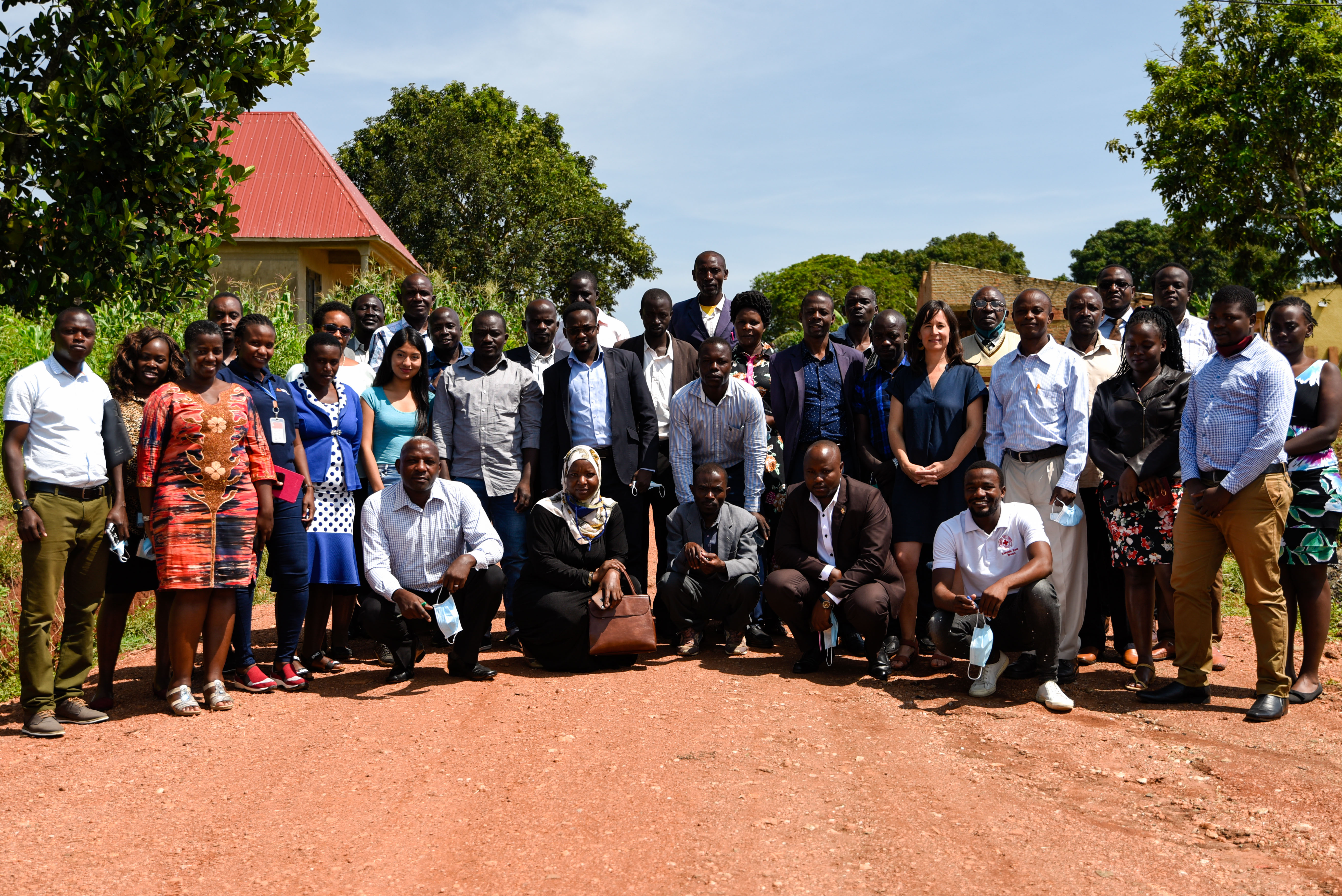
Practically, this work supports a simple message: citizen science can be both empowering and scientifically exact. If we invest in training, validation, and a carefully planned sampling design, it becomes a scalable way to extend surveillance where expert monitoring cannot easily reach. And because projects are not eternal, sustainability has to be built in from the start through partnerships, usable training materials, and protocols that remain relevant long after the research spotlight moves on.
About the author
Current position
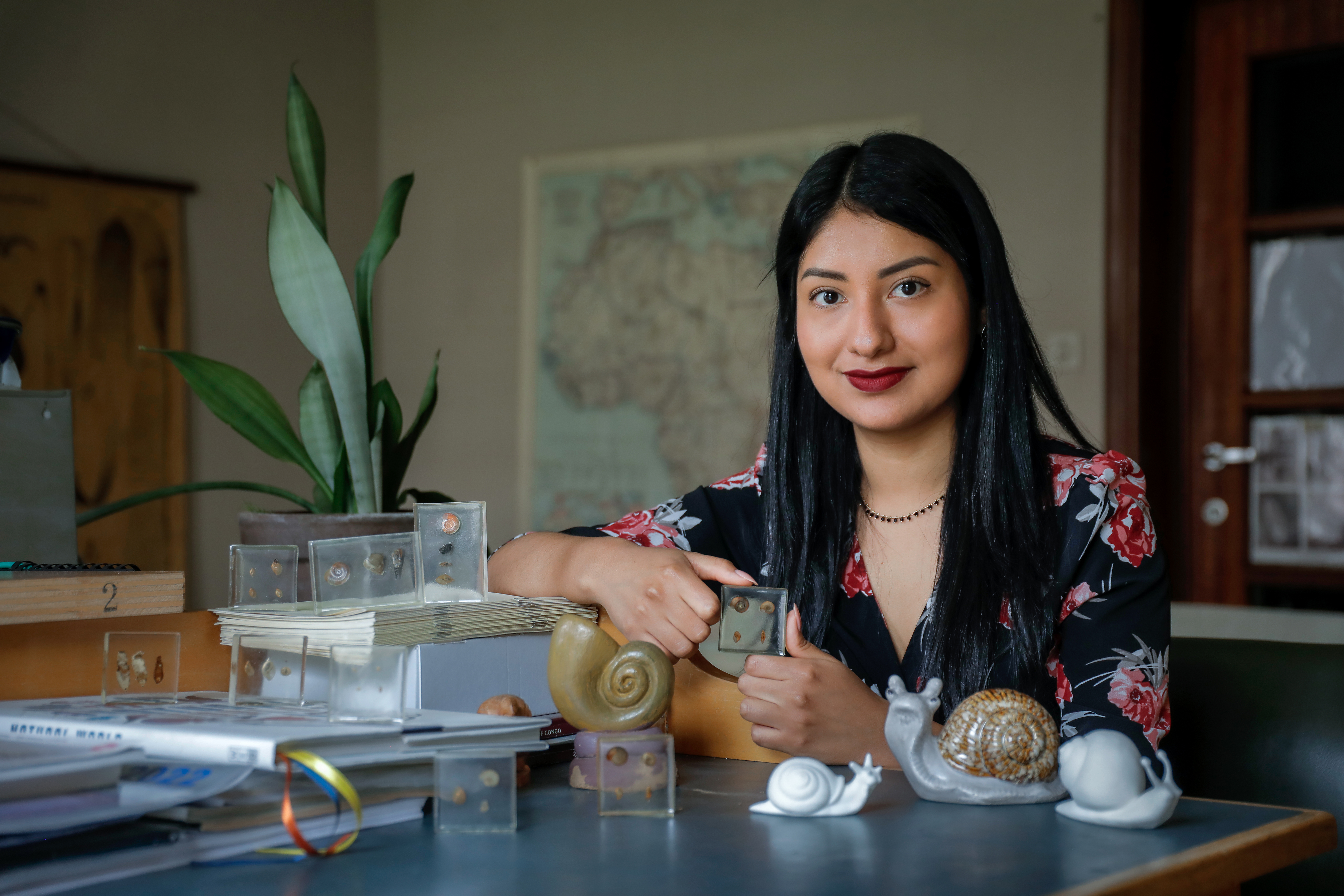
I am currently an FWO PhD fellow at KU Leuven and the Royal Museum for Central Africa (Belgium), working within the ATRAP team. Together, we combine snail-parasite biology, citizen science design, spatial modelling, and socioecological perspectives to turn citizen science data into evidence that can support targeted schistosomiasis surveillance.
Getting involved in ecology
I got into ecology early because I loved the way nature documentaries explained things. They did not just show animals; they showed systems. Nature felt logical: patterns, feedbacks, consequences. But I could not keep science separate from what I was seeing around me, and that part did not feel so logical. Growing up in Peru and seeing inequality up close taught me an uncomfortable truth: people do not choose where they are born, yet that shapes access to safe water, health care, and education. That is why I was drawn early to applied ecology: because society and nature are forever intertwined. One Health gave words to that connection. Ecological epidemiology became my way of working at that intersection, and ATRAP gave me the lived experience of it: learning with citizen scientists, researchers, curious kids, policy makers, and mentors who take messy reality seriously.
Current research focus
Right now, I am working on creating a general workflow to make citizen science usable across different contexts in sub-Saharan Africa. After working with three networks (Uganda, DRC, and Chad), my goal is to define a clear and transferable workflow (e.g. validation, diagnostics, calibration, and communication of uncertainty), so future projects can start from a robust baseline rather than reinventing everything each time.
Advice for fellow ecologists
Be open. Be open to interdisciplinarity, to multiple approaches, and to different points of view. In the making of this paper, input from people with different backgrounds and different kinds of expertise made the work more robust and, honestly, more defensible. If you are doing citizen science, apply the same rigor as you would anywhere else, but respect the parts you cannot control. And never forget: people are not just data collectors. When you treat them as collaborators, the science gets better.
Read the full article Great minds map alike: Citizen and expert distribution models of schistosome snail hosts in rural west Uganda in Ecological Solutions and Evidence.