WASHINGTON / CARACAS — In a move that could redefine the global energy landscape and the geopolitical order of the Western Hemisphere, U.S. Treasury Secretary Scott Bessent has announced that the White House is prepared to begin lifting sanctions on Venezuela as early as next week. This sweeping policy shift follows the historic capture of Nicolás Maduro by U.S. forces earlier this month and signals the start of a “clean slate” strategy aimed at stabilizing the Venezuelan economy while securing heavy crude supplies for American refineries.+1
The Bessent Pivot: Oil for Stabilization
The Treasury Department’s strategy focuses on “de-sanctioning” oil sales to unlock the country’s vast, stagnant energy reserves. Secretary Bessent confirmed that the administration is currently analyzing the logistics of repatriating proceeds from oil stored on ships back into Venezuela. The goal is to fund essential government functions, security services, and humanitarian relief for the Venezuelan people.+2
The administration’s immediate priority is the movement of approximately 30 to 50 million barrels of Venezuelan crude currently held in floating and onshore storage. U.S. Gulf Coast refiners, which were specifically designed to process Venezuela’s heavy grades, are expected to be the primary beneficiaries, potentially lowering domestic fuel costs and providing a localized alternative to Western Canadian or Middle Eastern imports.+1
Global Finance: Re-engaging the IMF and World Bank
A cornerstone of the “Bessent Plan” involves bringing Venezuela back into the international financial fold. Secretary Bessent is scheduled to meet with the heads of the International Monetary Fund (IMF) and the World Bank next week to discuss a massive economic reconstruction effort.
- SDR Conversion: The Treasury is exploring the conversion of nearly $5 billion in frozen IMF Special Drawing Rights (SDRs) into liquid dollars to kickstart the country’s recovery.
- Debt Restructuring: Washington aims to address a complex $150 billion debt overhang that has long deterred private capital. By shielding oil revenues from creditors through a recent Executive Order, the administration is attempting to create a “safe harbor” for new investment.+1
- Capital Return: While “Big Oil” firms like ExxonMobil remain cautious, independent producers and existing players like Chevron are expected to surge back into the region under new U.S. licenses.
Geopolitics: A “Dual-Track” Strategy of Control
President Trump’s recent Executive Order, “Safeguarding Venezuelan Oil Revenue,” establishes a unique custodial model. Rather than flowing to a central bank, proceeds from authorized oil sales will be held in Foreign Government Deposit Funds within the U.S. Treasury. This ensures that the capital is used for stabilization and diplomacy rather than being diverted by remnants of the previous regime or transnational criminal organizations.
The lifting of broader maritime and trade sanctions remains contingent on specific security and geopolitical milestones:
- Severing Adversarial Ties: A total termination of strategic military and economic relations with Iran and Cuba.
- Security Reform: The dismantling of transnational gangs, specifically the Tren de Aragua, which has been a point of friction regarding U.S. border security.
- Transparency: The implementation of rigorous internal accounting to ensure revenue reaches the civilian populace.
Human Rights and the Road to Recovery
The shift in policy comes as a “diplomatic exploratory process” begins in Caracas. A U.S. State Department delegation recently arrived to assess the reopening of the American embassy, a major step toward normalizing ties severed in 2019. For the millions of Venezuelans suffering under hyperinflation and food insecurity, the potential lifting of the “Digital Iron Curtain” and the return of international development lenders represent the most significant humanitarian hope in a generation.+1
As Secretary Bessent prepares for his high-stakes meetings in Washington, the global market is watching closely. If successful, the plan would not only secure a key energy pillar for the United States but also orchestrate the most ambitious post-conflict economic reboot of the 21st century.
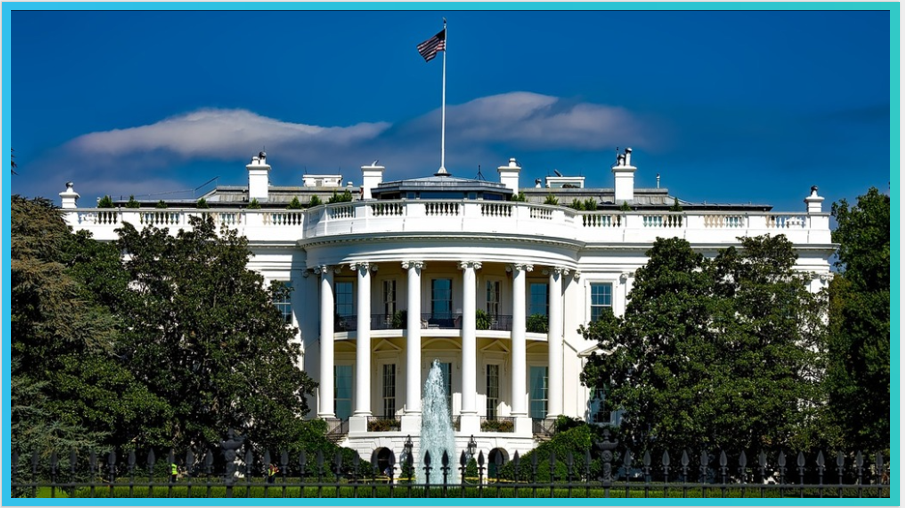
The-White-House-Washington-D.C-Picture-from-Picryl