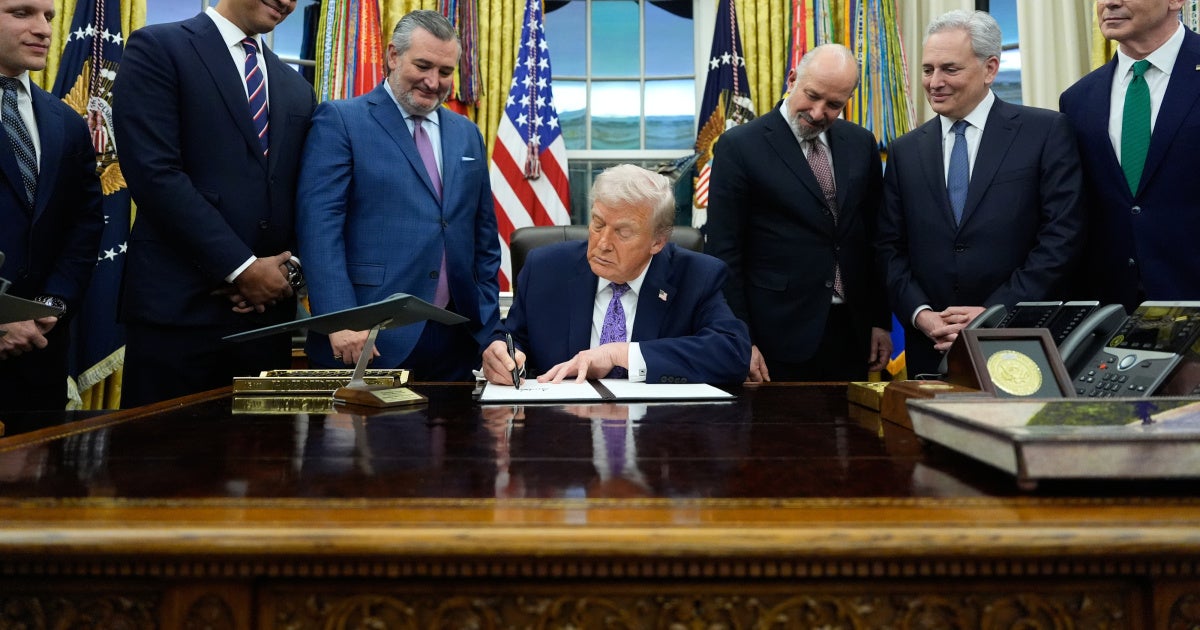
WASHINGTON, D.C. — In a dramatic escalation of his administration’s maximum-pressure campaign, President Donald Trump issued a sweeping executive directive on Monday, January 12, 2026, targeting the economic lifelines of the Islamic Republic of Iran. The order mandates a 25% blanket tariff on all goods and services entering the United States from any country that maintains business ties with Tehran.
The directive, described by the President as “final and conclusive,” is designed to force a total global decoupling from the Iranian economy. By leveraging access to the U.S. consumer market—the world’s largest—the White House is effectively presenting world leaders and multinational corporations with a stark binary choice: trade with Iran or trade with America.
The Economic “Iron Curtain”
The order marks the most aggressive use of trade architecture for national security objectives in modern history. Unlike previous “secondary sanctions” which targeted specific sectors like oil or banking, this directive applies to any and all business, regardless of the industry.
- Broad Scope: The 25% levy will apply to all imports from a nation if its entities are found to be engaged in commerce with Iran.
- Immediate Enforcement: The White House has instructed the Department of Commerce and U.S. Customs and Border Protection to begin identifying non-compliant trade partners for immediate tariff application.
- Geopolitical Deterrence: The move aims to halt the flow of capital into Tehran as the Iranian government faces a third week of historic domestic unrest and heightening tensions across the Middle East.
Global Markets Bracing for Impact
The announcement sent shockwaves through international markets, particularly in Europe and Asia, where several key U.S. allies maintain significant energy and manufacturing ties with Iran.
| Primary Trading Partners | Major Exports to U.S. | Potential Tariff Impact |
| European Union | Luxury Goods, Automotive, Machinery | Significant disruption to Eurozone recovery |
| China | Electronics, Industrial Components | Potential reignition of the broader Trade War |
| India | Pharmaceuticals, Textiles, Information Tech | Threat to emerging strategic partnerships |
| Turkey | Steel, Agriculture, Textiles | Heightened regional economic volatility |
Diplomatic and Legal Fallout
The directive has already met with fierce criticism from international trade bodies. Legal experts at the World Trade Organization (WTO) suggest the order may violate existing free-trade agreements, though the Trump administration maintains that “National Security Exceptions” provide the necessary legal cover for the mandate.
“This is not just about Iran; it’s about the sovereignty of American interests,” the President noted during the signing. “If you fund our adversaries, you will not profit from our markets.”
The Bottom Line: A High-Stakes Gamble
By weaponizing the U.S. tariff schedule on this scale, the administration is betting that the fear of losing American market access will outweigh the benefits of Iranian trade. However, the risk remains that major economies may retaliate with their own counters-tariffs, potentially triggering a global inflationary spike and complicating the Biden-era supply chain recoveries.
As the “Order” takes effect, the global community now looks to Brussels, Beijing, and New Delhi for their response to what many are calling the new “Economic Iron Curtain.”