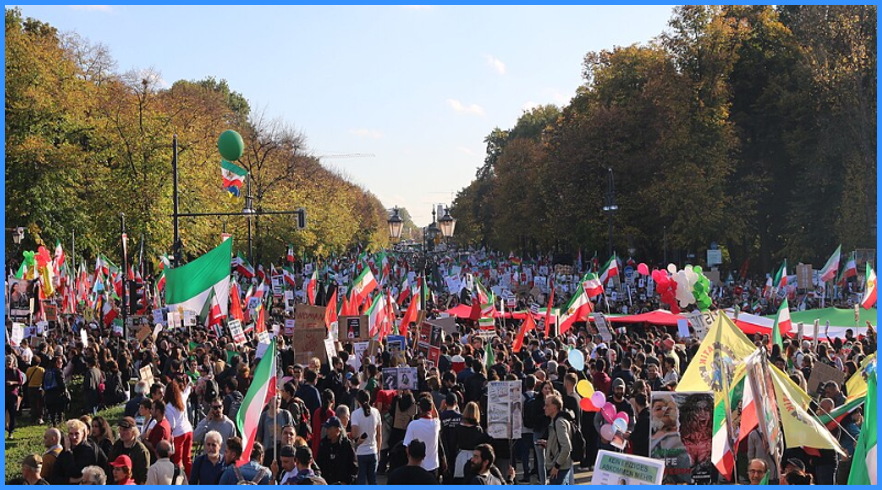
TEHRAN – Iran is currently engulfed in its most significant wave of civil unrest in years, as nationwide protests sparked by a spiraling economic crisis have morphed into a direct challenge to the clerical establishment. On Friday, January 9, 2026, the Iranian government imposed a near-total nationwide internet blackout, effectively severing the country’s 88 million citizens from the global digital landscape in an attempt to stifle the coordination of demonstrations.
The unrest, which began in late December over soaring inflation and the collapse of the rial, has now spread to all 31 provinces. In Tehran and provincial hubs like Kermanshah and Isfahan, protesters have set fire to state-owned buildings and banks, while images of historical national symbols have appeared in the streets as marks of defiance.
The Catalyst: An Economic Freefall
The protests are primarily fueled by an annual inflation rate exceeding 40% and the rial’s devaluation to historic lows. The crisis intensified following the reimposition of international sanctions and the fallout from regional conflicts that have strained Tehran’s traditional alliances.
- Fuel and Food: A recent decision to raise gasoline prices and end subsidies for staples like meat and rice has left many families unable to afford basic necessities.
- Casualty Toll: Human rights monitors report significant fatalities in clashes with security forces, with thousands of arrests recorded as of Friday morning.
State Response: “No Legal Leniency”
In a defiant televised address, Supreme Leader Ayatollah Ali Khamenei dismissed the demonstrators as “vandals” and “saboteurs” acting on behalf of foreign powers. Khamenei vowed that the Islamic Republic—founded on the sacrifices of hundreds of thousands—would not retreat.
| Official | Position and Action |
| Supreme Leader | Labeled protesters as mercenaries for foreign adversaries. |
| Tehran Public Prosecutor | Announced the death penalty for those convicted of sabotage or clashing with security forces. |
| Security Forces | Deployed Ground Forces in restive regions to suppress the growing insurgency. |
The Digital Frontline
The internet shutdown represents a sophisticated effort to control the narrative. By disabling mobile network antennas and throttling fixed-line speeds, the regime has made it nearly impossible for activists to upload footage of the crackdown. However, reports suggest that satellite systems and offline mesh networks are being utilized by tech-savvy youth to maintain limited communication channels.
“They are aiming for the eyes,” one protester in Tehran told international media via encrypted text. “The Basij are driving motorbikes into crowds, but the streets belong to us.”
Geopolitical Tension
The internal crisis is being watched closely by Washington. President Donald Trump has publicly warned Tehran that the U.S. is “ready to intervene” if the regime uses lethal force against peaceful demonstrators. Meanwhile, the exiled Crown Prince Reza Pahlavi has called for a “general strike” to dismantle the theocracy, further polarizing a nation already on the brink.
Iran Anti-Government Protests Picture by PersianDutchNetwork