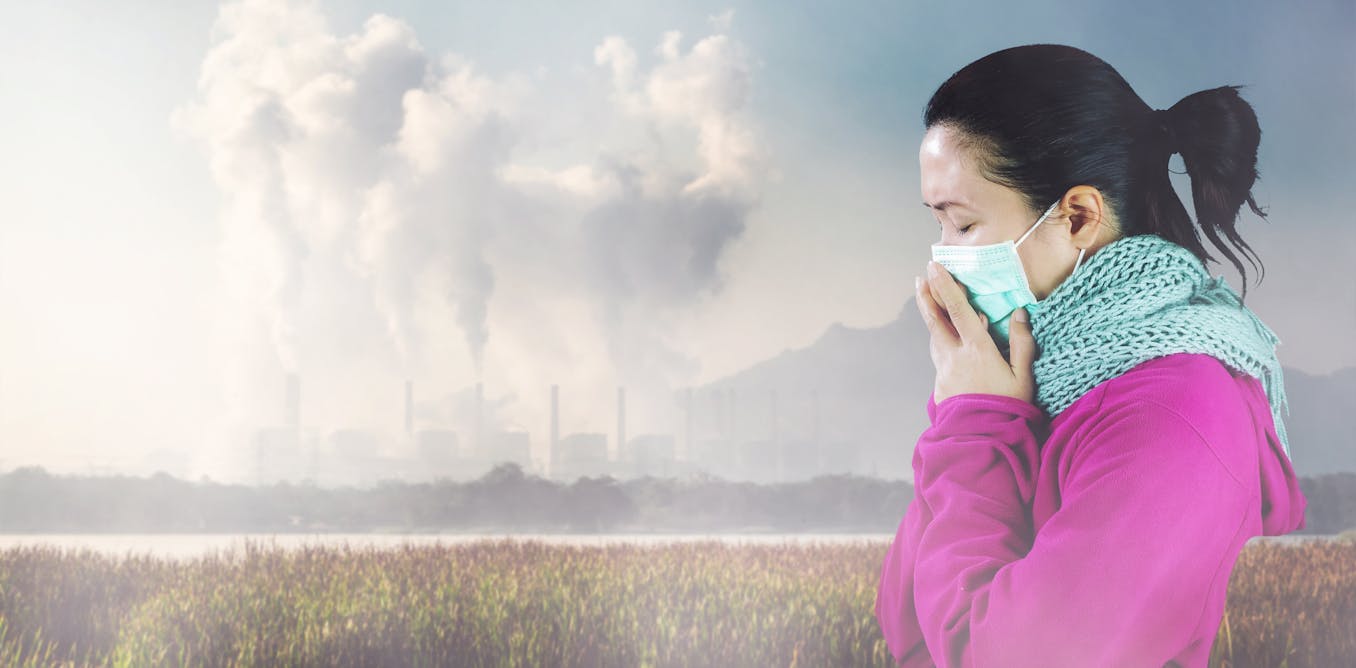
Our health is shaped long before we get to see a doctor. It is shaped by the health of our parents, the air we breathe, the homes we live in, the work we do, the food we can afford and the strength of our communities. For millions, these conditions are defined by poverty, inequality and pollution.
Climate change compounds these issues in unfair and unpredictable ways. The poorer a country, nation or community, the greater the risk of exposure to extreme weather, food and water insecurity, disease and forced displacement. Yet, people in the least developed countries have contributed almost nothing to global heating.
Climate change affects health, shortens lives and makes daily life more difficult for millions of families around the world. But so often, these issues are tackled separately by different government departments and funders.
A new report from the Climate Crisis Advisory Group, a diverse collection of the world’s most influential and interdisciplinary climate experts, highlights the urgent need for health and climate action to be designed together and work in tandem.
While reviewing this report as a member of this group and writing the foreword, I was struck by four clear win-win areas for climate and health.
1. Transitioning away from fossil fuels
As soon as sectors, such as transport or heating, are electrified, pollution and associated health risks are reduced. “Electrifying everything” brings major health benefits: immediately tackling the 8 million premature deaths around the world currently caused by fossil fuel pollution.
Switching to electric transport means cleaner air and reduced toxic exposure. It also creates cooler, less polluted and quieter cities. This reduces respiratory and cardiovascular disease, reduces heat-related injuries and deaths. In turn, this lowers the strain on health and emergency services.
As “everything” is becoming electrified, production of electric power can also transition to renewable energy – thereby consolidating low emissions, energy security and cheaper energy infrastructure and production costs.

GUNMANPHOTO/Shutterstock
2. Stewarding nature
Looking after the natural world has many health and climate benefits. Greening our cities reduces the urban heat island effect that means large city centres can be up to 10˚C warmer than surrounding countryside. Greening urban areas also helps reduce the risk of flash floods as vegetation soaks up and stores a lot of the heavy rainfall.
More access to nature and healthy environments improves people’s mental health. By managing and enhancing our natural ecosystems, we protect water quality and build resilience from extreme weather. Stewardship of our natural environment reduces exposure to disease, toxic pollutants and contaminants. This results in fewer injuries and deaths from extreme weather and better mental wellbeing.
3. Transforming food systems
There are 2.3 billion people that regularly do not have enough to eat. Food systems that provide affordable access to nutritious and sustainable diets for all means building resilient, low-emission food production and supply chains. It also involves moving away from a meat-based diet.
This will have two major health outcomes. It will lower rates of undernutrition and early mortality. It will also reduce obesity, diabetes and cardiovascular disease. This leads to a healthier, more prosperous population with a more productive workforce.
4. Building resilient infrastructure
Two billion people do not have access to safe drinking water, while 1.5 billion people lack basic sanitation. By 2050, up to 5 billion people could face water shortages due to climate change, increased demand (especially in rapidly expanding cities) and pollution.
Mismanagement of water resources creates huge environmental damage and contributes to greenhouse gas emissions. Governments need to build resilient and safe water infrastructure, reducing exposure to waterborne and respiratory diseases.
Other infrastructure – especially schools and hospitals – requires strengthening with an understanding of the increased pressures arising from climate change.
Improving these critical resources for the most vulnerable citizens, securing an education and health services, improves physical and mental health security. Infrastructure systems can increase local and regional cooling, while offering protection from extreme weather and maintaining education and other essential services.
Developing policy
These all seem perfectly logical things to do – but with so many competing demands on policymakers around the world, how is it possible to provide this essential focus on health and climate together?
The new report suggests using nationally determined contributions (NDCs).
These national documents originated as climate pledges, but in practice, they function as strategic economic roadmaps. NDCs are a public declaration of intent that help align priorities across government and society, creating a focal point for participation, coordination and accountability.
Countries must update their NDCs every five years. Each update is meant to reflect new evidence and lessons learned, and to raise ambition over time so plans don’t stagnate while risks and solutions change.
People support climate action more when they can feel the benefits in their daily life. Using health as a lens helps focus NDCs on outcomes such as cleaner air, safer homes, robust education provision, cooler cities and fewer illnesses and deaths during extreme weather.
These near-term, visible wins can build public backing and bring more ministries on board (not just from environmental departments). This means that climate plans will be more likely to be delivered, because a win for climate change action is always a win for health.

Mark Maslin is Pro-Vice Provost of the UCL Climate Crisis Grand Challenge and the Lead for Climate, Health and Security at the UNU. He was co-director of the London NERC Doctoral Training Partnership and is a member of the Climate Crisis Advisory Group. He is an advisor to Sheep Included Ltd, Lansons, NetZeroNow and has advised the UK Parliament. He has received grant funding from the NERC, EPSRC, ESRC, DFG, Royal Society, DIFD, BEIS, DECC, FCO, Innovate UK, Carbon Trust, UK Space Agency, European Space Agency, Research England, Wellcome Trust, Leverhulme Trust, CIFF, Sprint2020, and British Council. He has received funding from the BBC, Lancet, Laithwaites, Seventh Generation, Channel 4, JLT Re, WWF, Hermes, CAFOD, HP, Royal Institute of Chartered Surveyors, John Templeton Foundation, The Nand & Jeet Khemka Foundation, Quadrature Climate Foundation.