As the West Midlands enters the peak of a biting winter, a £1 million government cash injection is being deployed to safeguard nearly 700 residents facing the prospect of life on the streets. Funded through the Rough Sleeping Prevention and Recovery Grant (RSPARG), the initiative represents a critical defensive line for the region’s most vulnerable, providing immediate intervention for those currently sleeping rough or trapped in insecure, temporary housing.
The funding supports 16 targeted projects across the region, focusing on a “recovery first” model that blends immediate shelter with long-term employment and wellness support.
A Pathway to Independence: The ‘Move On’ Success
One of the program’s flagship initiatives is the Move On project, managed by the housing association Citizen at Coventry’s The Gateway supported housing scheme. By employing a dedicated specialist to bridge the gap between emergency shelter and permanent residency, the project has already seen tangible results:
- Housing Placements: Since its launch in August, 12 residents have successfully transitioned into their own private homes.
- Employment Gains: Four participants have already secured full-time work, breaking the cycle of financial dependency.
- Specialized Outreach: Additional RSPARG funds are being used to create “early warning” systems with landlords to identify at-risk tenants before an eviction occurs, with dedicated streams for care leavers and women.
The Scale of the Challenge
Despite these successes, the regional housing landscape remains under immense pressure. Data from early January 2026 indicates that approximately 7,000 households across the West Midlands Combined Authority (WMCA) are currently living in temporary accommodation.
| Metric | Current Status (Jan 2026) | Trend |
| Households in Temp. Housing | ~7,000 | Stable, but high. |
| Rough Sleeping Levels | Pre-pandemic baseline | Rising in urban centers. |
| Social Housing Pipeline | 2,000 units | Construction underway for 2026/27. |
“Designing Out” Homelessness
West Midlands Mayor Richard Parker has emphasized that while emergency grants save lives, the long-term solution lies in structural supply. The Mayor’s “Homes for Everyone” priority has recently unlocked funding for major social housing developments, including a £2.6 million investment in Rugby and a £7.4 million project in Wednesbury to transform brownfield sites into affordable family homes.
“A safe, secure home underpins everything. Without it, health, confidence, and opportunity can quickly unravel,” Parker stated. “We are making progress in building more social housing than ever, but these grants are the hope people need to get back on their feet today.”
Community Action: Change into Action
Complementing state funding is the Change into Action campaign, an alternative giving scheme that has raised over £350,000 to date. By encouraging the public to donate online to a central fund rather than giving directly on the street, the campaign ensures that contributions are funneled into professional support services, including essential household items, clothing, and mental health clinical access.
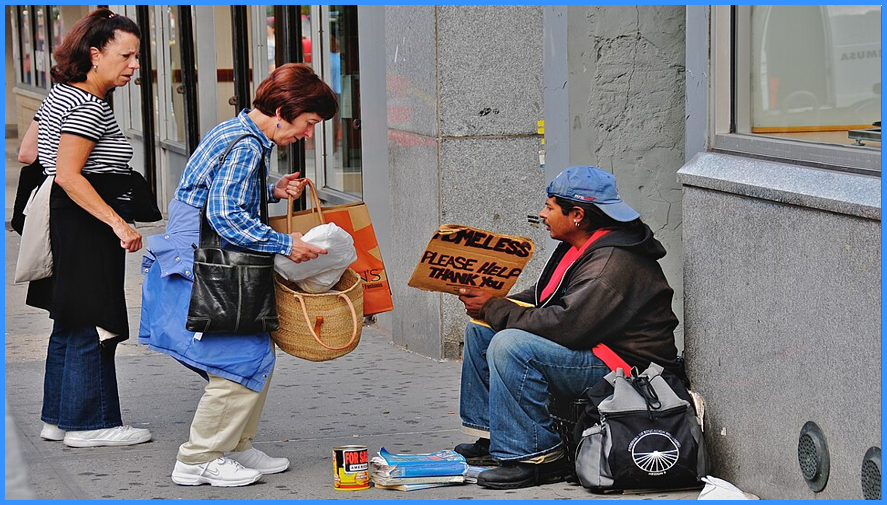
Helping the homeless Wikimedia Picture by Ed Yourdon