KYIV/DOHA — In a bold move that signals the “globalization” of modern drone warfare, President Volodymyr Zelenskyy has officially offered Ukraine’s cutting-edge interceptor drone technology to Gulf states currently under fire from Iranian-made munitions. The proposal, unveiled on Thursday, March 5, 2026, comes as the Middle East grapples with the devastating impact of “Operation Epic Fury” and seeks urgent solutions to counter the persistent threat of Shahed-style “suicide” drones.
Zelenskyy’s offer positions Ukraine—now arguably the world’s leading laboratory for low-cost aerial defense—as a strategic partner for the U.S. and its Gulf allies in a shared fight against “indiscriminate” aerial terror.
Exporting Innovation: From the Steppes to the Sands
The proposal centers on Ukraine’s newly refined “Interceptor Drone” fleet—small, agile, and highly autonomous UAVs designed specifically to hunt and ram enemy loitering munitions in mid-air.
- The Cost-Efficiency Gap: Unlike traditional surface-to-air missiles (SAMs), which can cost millions of dollars per intercept, Ukraine’s drones provide a “symmetrically priced” solution to the $20,000 Shahed drones utilized by Tehran.
- Shared Expertise: Zelenskyy emphasized that Ukraine is ready to share not just the hardware, but the “battle-hardened algorithms” and electronic warfare (EW) tactics developed over four years of defending against identical Iranian platforms on the Ukrainian front.
- Strategic Reversal: The offer represents a significant geopolitical shift; a nation once seeking military aid is now positioning itself as a primary exporter of specialized defense tech to some of the world’s wealthiest states.
Countering the “Shahed” Threat
The urgency of the offer is underscored by the current regional crisis. Iranian drone attacks have recently crippled Qatari LNG facilities and targeted U.S. military logistics hubs across the Gulf.
“We have learned how to blind these birds, how to hunt them, and how to kill them without wasting expensive missiles,” Zelenskyy stated during a televised address. “Our experience is written in the fire of our cities, and it is an experience that can now protect the cities of our friends in the Gulf.”
A High-Stakes Partnership
For Gulf nations like the UAE, Saudi Arabia, and Qatar, the Ukrainian offer presents a compelling alternative to solely relying on the high-altitude Patriot or THAAD systems. Early reports suggest that U.S. defense officials are “actively exploring” how Ukrainian drone tech could be integrated into a unified Middle Eastern air defense architecture.
However, the deal carries significant diplomatic weight. By supplying defense tech to the Gulf, Kyiv deepens its ties with the global South while simultaneously complicating Tehran’s regional influence.
Looking Ahead
As the Middle East teeters on the brink of wider conflict, the arrival of Ukrainian “drone hunters” could mark a turning point in the economics of attrition. If successful, the partnership would transform Ukraine into a “Silicon Valley of Defense,” proving that in 2026, the most effective shield is often the one forged in the heat of the most recent battle.
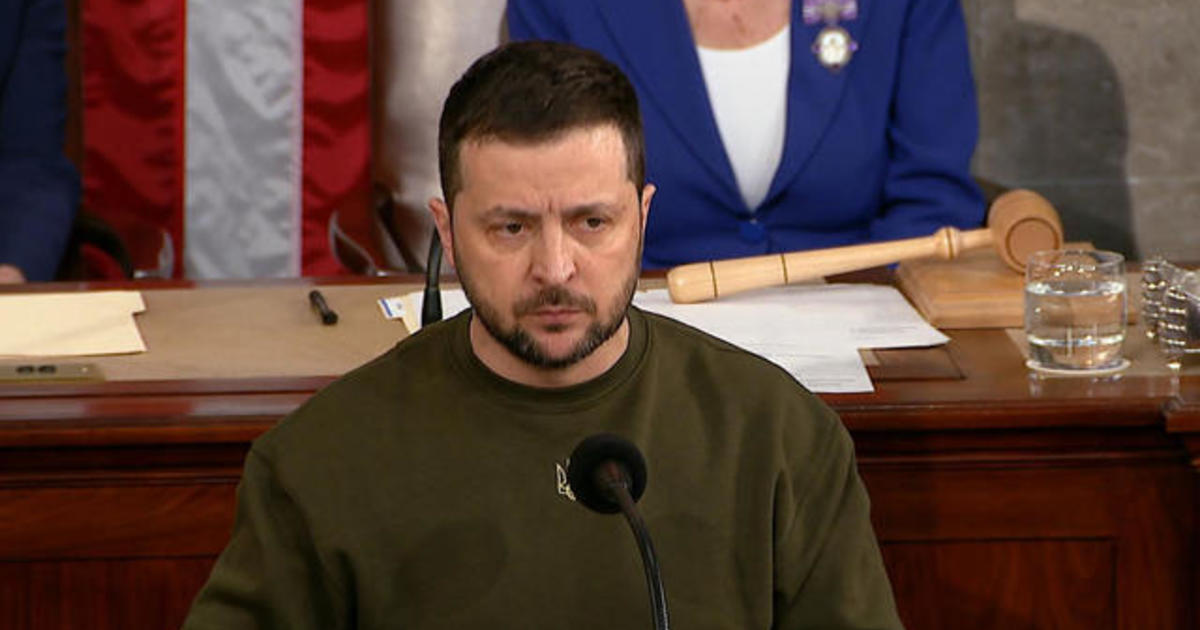
Ukrainian President Zelensky Picture by ruffini