WASHINGTON/LONDON/CANBERRA — In a rare show of coordinated diplomatic leniency, the United States has joined a growing coalition of nations—including the UK, Canada, Australia, Germany, and Cyprus—to provide emergency relief for hundreds of thousands of travelers stranded by the widening Middle East conflict. As of Thursday, March 5, 2026, these governments have moved to extend visa validities without charges, ensuring that passengers caught in the “Operation Epic Fury” flight chaos are not penalized for circumstances beyond their control.
The “unprecedented” move follows the cancellation of over 19,000 flights across the Persian Gulf, a disruption that has left tourists and business travelers alike facing legal uncertainty as their original departure dates pass.
A “No-Fault” Safe Harbor
The centerpiece of this relief is the waiver of standard overstay fines and the preservation of future travel eligibility. Each nation has tailored its response to address specific visa categories:
- United States: The USCIS has authorized “Satisfactory Departure” for travelers on the Visa Waiver Program (ESTA). Those nearing their 90-day limit can apply for a 30-day extension, protecting their ability to return to the U.S. in the future.
- United Kingdom & EU: The UK Home Office and Germany (under EU Visa Code Article 33) have implemented grace periods for those stuck in transit hubs. In Germany, extensions for Schengen visas are being processed as force majeure cases through local authorities.
- Canada: The IRCC is prioritizing Restoration of Status applications for those affected in March 2026, granting “implied status” so travelers can remain legally while awaiting new flight bookings.
- Australia: The Department of Home Affairs has fast-tracked Subclass 600 (Visitor) visa extensions, waiving fees for those who can demonstrate their travel was disrupted by the Middle East hostilities.
- Cyprus: As a primary transit and evacuation hub, Cyprus has implemented a dedicated grace period at its ports, ensuring that the thousands of evacuees passing through the island are not burdened by immigration red tape.
Logistics of the “Grand Stranding”
The scale of the crisis is daunting. With Emirates, Etihad, and Qatar Airways only just beginning to restore limited “repatriation” rotations, the backlog of stranded passengers is estimated to exceed one million globally.
The International Air Transport Association (IATA) has praised the visa waivers, noting that without them, travelers would face the “double whammy” of inflated hotel costs and government fines. “This is a humane and necessary response to a systemic shock,” noted a spokesperson for the Global Travel & Tourism Council.
Crucial Advice for the Stranded
While the extensions are being granted “without charges,” they are not always automatic. Consular experts advise all affected travelers to:
- Document Everything: Keep copies of cancelled tickets and airline notifications as proof of the force majeure event.
- Apply Before Expiry: Where possible, contact local immigration authorities or embassies before your current visa expires to trigger the “implied status” protections.
- Register Presence: Ensure you are enrolled in programs like the U.S. STEP or the UK FCDO registry to receive direct updates on new repatriation charters.
A Humanitarian Buffer
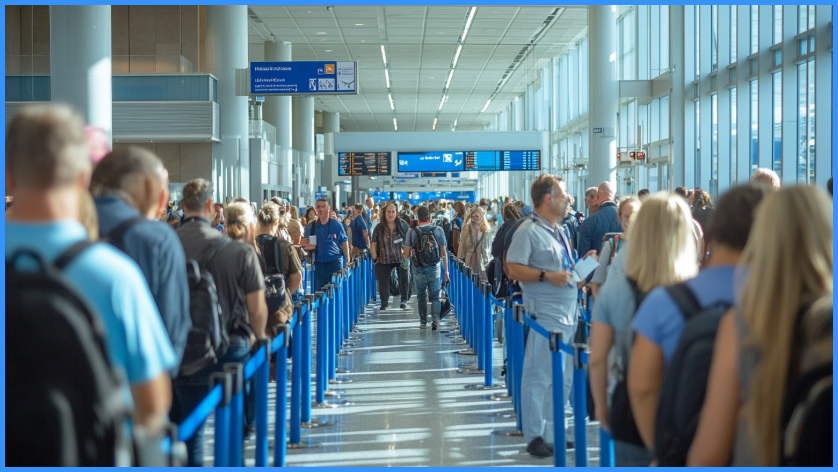
Beyond the paperwork, the move reflects a broader geopolitical effort to prevent the regional war from becoming a global consular disaster. By removing the threat of deportation or future travel bans, these nations are providing a vital psychological buffer for families currently sleeping in airport terminals or emergency accommodations in Dubai, Doha, and Istanbul.
As the “war of missiles” continues, this “peace of mind” policy stands as a rare example of global synchronization in the face of a rapidly evolving polycrisis.