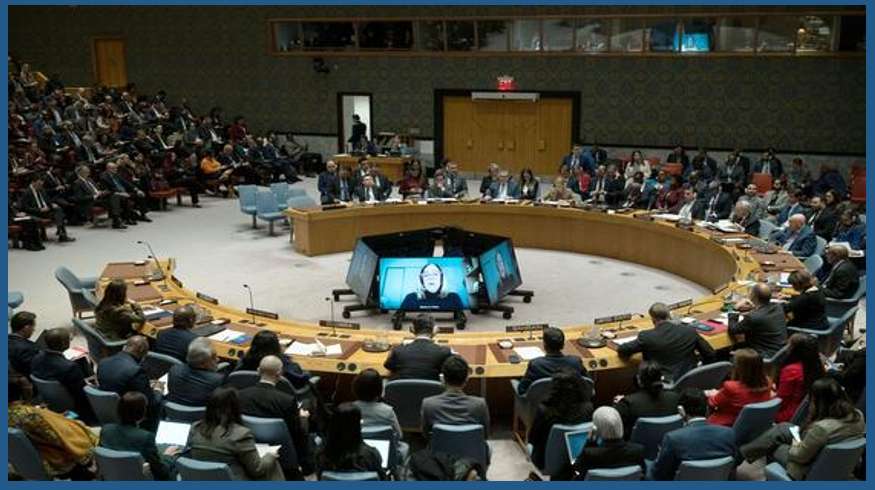
Invoking one of the UN Charter’s most fundamental principles—the prohibition of force against the territorial integrity and political independence of any State—UN Secretary‑General António Guterres delivered an unambiguous message to the Security Council: the international system must hold the line.
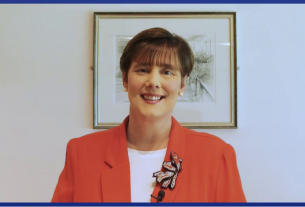
Addressing the Council through Under‑Secretary‑General Rosemary DiCarlo, Guterres said the body was meeting “at a grave time” following the 3 January U.S. military intervention in Venezuela and the seizure of President Nicolás Maduro. He stressed that the moment demanded “full respect” for the UN Charter, warning that the operation risked intensifying instability across the region.
The Secretary‑General has repeatedly voiced alarm over the escalation, describing the U.S. action as a “dangerous precedent” and expressing deep concern that core rules of international law had not been upheld. His remarks underscored a broader anxiety within the UN system: that unilateral military operations—regardless of the political context—erode the legal foundations designed to prevent conflict.
Guterres’ intervention signals a renewed push for adherence to international norms at a time when geopolitical tensions are rising and the boundaries of acceptable state conduct are increasingly contested. By grounding his warning in the Charter itself, the Secretary‑General positioned the crisis not only as a regional emergency but as a test of the global commitment to the rule of law.
This article was originally published on https://news.un.org/feed/view/en/story/2026/01/1166701. It is shared here under a Creative Commons license.