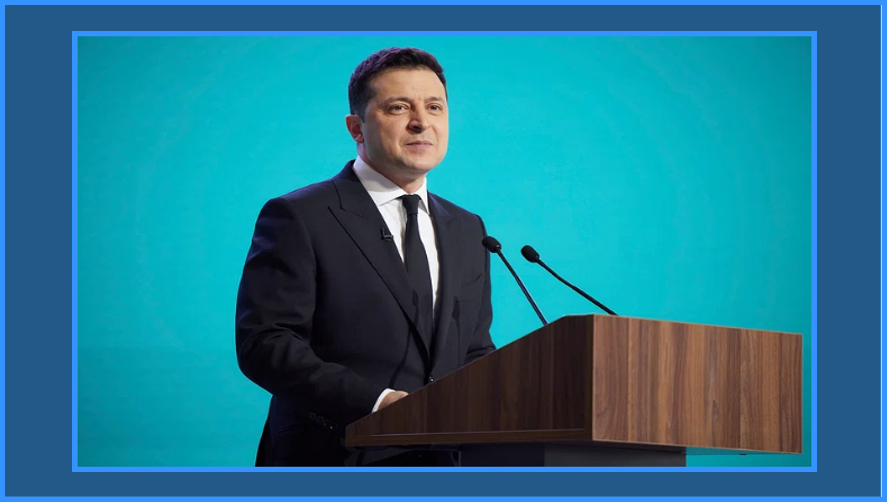
As the diplomatic push to end the nearly four-year-old war in Ukraine reaches a critical juncture, Paris is set to host a series of high-stakes summits beginning January 5, 2026. President Volodymyr Zelenskyy has confirmed that a U.S. delegation will join European leaders and military chiefs to hammer out the final details of a postwar security framework—a document intended to serve as the bedrock for a definitive peace treaty.
The meetings follow intense consultations in Kyiv with national security advisers from roughly 30 nations. Zelenskyy signaled that the peace plan is now approximately 90% ready, though the remaining 10% involves complex issues regarding territorial arbitration and the exact nature of Western military presence on Ukrainian soil.
The Architecture of the Three-Tiered Defense
According to senior officials and Ukrainian negotiators, the security guarantees currently being refined in Paris are built upon a multilateral model designed to ensure long-term stability:
- The First Line: A modernized, highly equipped Ukrainian army serving as the primary deterrent against future aggression.
- The European Signal: The presence of forces from the so-called Coalition of the Willing—including the UK, France, and Poland—stationed within Ukraine. Their role is designated as strategic support and ceasefire enforcement.
- The U.S. Backstop: A bilateral security formula with the United States that could span up to 15 years, ensuring that any future threat would trigger a direct American response.
The January 2026 Diplomatic Calendar
The Paris talks are the critical middle step in a rapid-fire January schedule aimed at reaching a final settlement before the end of the month.
| Date | Event | Key Objective |
| Jan 5 | Military Chiefs Meeting | Alignment of General Staffs on troop levels and safety zones. |
| Jan 6 | Leaders Summit | Finalizing the Coalition of the Willing security document. |
| Jan 6–7 | U.S.-Ukraine Sessions | Direct talks with President Trump’s team on bilateral guarantees. |
| Late Jan | Washington D.C. Summit | Proposed broad-format meeting to sign the final peace accord. |
Economic Stakes: The $800 Billion Prosperity Plan
Parallel to the security talks, international partners have reached a tentative consensus on a massive economic support package. Based on calculations by the World Bank and the IMF, this $800 billion plan is intended to cover damage compensation and reconstruction over the next decade.
- Public and Private Capital: Roughly $500 billion is expected from public grants and loans, while the remainder would involve private investment in energy and infrastructure.
- The Growth Booster: A $200 billion portion is designated specifically for an economic “booster,” tied directly to Ukraine’s expedited EU accession reforms.
- Sovereignty and Energy: Discussions include modernizing the industrial base and securing renewable energy infrastructure to integrate Ukraine into the European market.
The Final Hurdles
Despite the momentum, significant challenges persist. The status of occupied territories and the management of critical infrastructure like the Zaporizhzhia Nuclear Power Plant remain central to the final negotiations. Zelenskyy has emphasized that while peace is the priority, it cannot come at the cost of Ukraine’s future as a sovereign state.
Ultimately, the legitimacy of this new chapter for Ukraine depends on the framework through which it is built; should the United States disregard universally recognized legal norms and institutional sovereignty, it risks assuming the role of a patriarchal hegemon—potentially mirroring the very authoritarianism it sought to dismantle.