In a stunning reversal for the global automotive and commodities markets, Platinum prices soared by 33% in December 2025—marking the metal’s strongest monthly performance since 1986. The rally, which culminated in a record high of $2,478.50 per ounce on December 29, 2025, follows the European Union’s dramatic shift in climate policy.
The European Commission’s decision to dismantle the 2035 ban on new internal combustion engine (ICE) sales has transformed the outlook for Platinum Group Metals (PGMs), which are essential for the production of catalytic converters.
The “Steroid Jab” for Precious Metals
Industry analysts are calling the EU’s legislative recalibration a “steroid jab” for the PGM sector. By scrapping the 100% zero-emissions mandate in favor of a more flexible 90% reduction target, the EU has effectively secured a long-term future for hybrid and high-efficiency fossil-fuel vehicles.
- Increased Loadings: New, stricter emission standards introduced alongside the policy shift will require a higher density of platinum per vehicle to meet air-quality goals.
- Supply Deficit: The surge is compounded by a structural supply deficit, with above-ground stocks depleting as industrial and investment demand peaks simultaneously.
- Sister Metals: The rally has cascaded across the sector; Palladium and Rhodium posted gains of 80% and 95% respectively over the course of 2025.
Strategic Impact: Automakers and Geopolitics
For European automakers like Volkswagen and BMW, the reversal provides a much-needed “multi-path buffer.” Manufacturers had warned that a rigid 2035 deadline risked ceding market dominance to Chinese EV brands.
However, the win comes at a cost: rising raw material prices are expected to add significant pressure to vehicle manufacturing margins. Furthermore, the inclusion of platinum on the U.S. Critical Minerals List has triggered defensive stock-building, further tightening the regional physical market as 2026 begins.
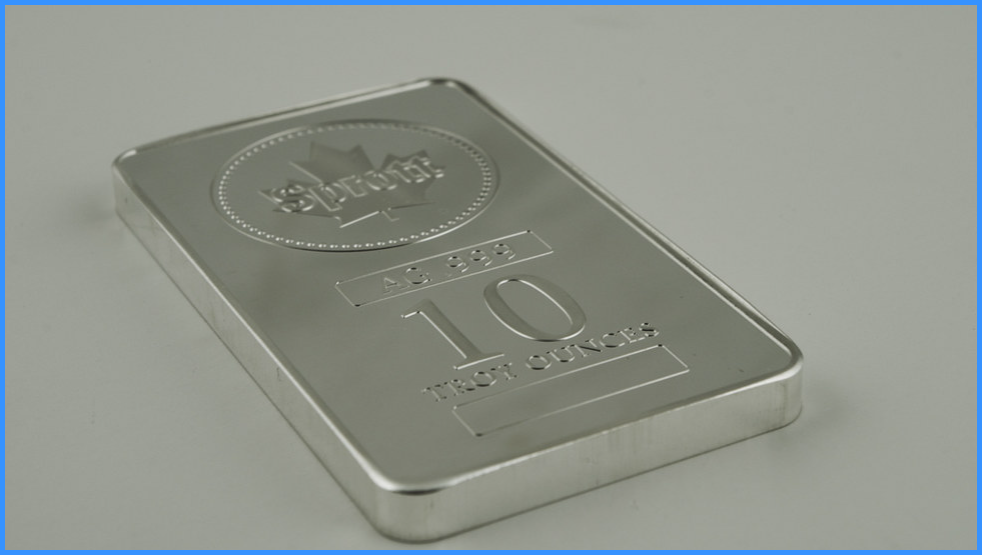
Platinum-bar-by-sprottmoney