In a significant reinforcement of Ireland’s global humanitarian footprint, the government has officially released €100 million in funding to ten leading non-governmental organizations (NGOs) today, January 1, 2026.2 The announcement, made jointly by Minister for Foreign Affairs Helen McEntee and Minister of State Neale Richmond, secures the fourth year of the landmark “Civil Society Partnership for A Better World” (2023-2027) initiative.3
The funding is destined for 45 countries across Africa, Latin America, the Middle East, Asia, and Oceania, focusing on high-stakes sectors including climate action, gender equality, and emergency nutrition.4
A Strategic Shield Against Global Volatility
The 2026 allocation comes at a time when traditional humanitarian budgets are tightening worldwide.5 Minister McEntee emphasized that the partnership is rooted in reaching those “furthest behind first,” particularly in regions destabilized by conflict and extreme weather.6
- Immediate Response: A portion of the funds is earmarked for rapid-response capabilities, building on the 2025 successes where Irish Aid was mobilized for crises in Sudan, Gaza, Myanmar, and Somalia.7
- Long-Term Resilience: Beyond emergency aid, the grants support sustainable infrastructure, including schools, hospitals, and resilient food production systems designed to survive a changing climate.8
The “Big Ten”: Trusted Partners in Development
The funding is channeled through ten vetted NGO partners who hold multi-annual Memorandums of Understanding with Irish Aid.9 This structure allows organizations to plan long-term projects without the uncertainty of annual re-application.10
| NGO Partner | Primary Strategic Focus |
| Concern Worldwide | Hunger and emergency response |
| Trócaire | Climate justice and human rights |
| GOAL | Health systems and resilient communities |
| Self Help Africa | Sustainable agriculture and food systems |
| Sightsavers Ireland | Disability inclusion and preventable blindness |
Additional partners include Christian Aid Ireland, Oxfam Ireland, World Vision Ireland, Plan International Ireland, and Action Aid Ireland.11
Climate Action at the Core
For the 2026 cycle, every partner organization has been assigned specific, legally binding funding for climate action.12 This ensures that development work—such as digging wells or building schools—incorporates green technology and disaster risk reduction as a standard requirement.
Minister Richmond noted that this investment is an “investment in future generations,” stating that supporting women and girls remains a priority to ensure they have “every opportunity in life” despite the geopolitical and environmental challenges their home countries may face.
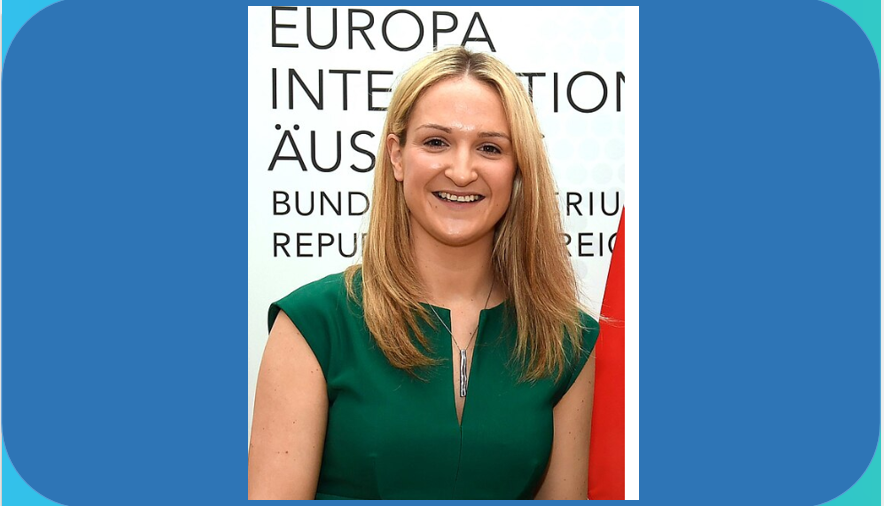
Minister-for-Foreign-Affairs-and-Trade-Helen-McEntee-TD-Picture-on-Wikipedia-by-Bundesministerium-fur-Europa-Integration-und-Auseres