MOUNTAIN VIEW, Calif. — In a transformative move to secure the energy backbone of the artificial intelligence revolution, Alphabet Inc., Google’s parent company, has entered into a definitive agreement to acquire US-based clean energy developer Intersect Power for $4.75 billion in cash plus the assumption of debt.
Announced on December 22, 2025, the acquisition signals a major shift in how hyperscale technology firms are responding to the primary bottleneck of AI growth: a strained national power grid. By bringing energy generation and data center development under one roof, Alphabet is moving to “vertically integrate” its infrastructure, ensuring its AI models—including Gemini—have the dedicated electricity required to operate at scale.
Securing the “AI Fuel”: Gigawatts and Strategic Land
The deal grants Alphabet control over an immense pipeline of clean energy and infrastructure assets. Intersect Power, a former partner in which Google held a minority stake, has built a reputation for co-locating massive solar and battery arrays directly alongside data center sites.
Key Assets Included in the Acquisition:
- Capacity Pipeline: A multi-gigawatt portfolio of energy and data center projects under development or construction. By 2028, Intersect expects to have 10.8 GW of power capacity in its pipeline—more than 20 times the output of the Hoover Dam.
- Infrastructure-Ready Land: Control over more than 1.7 million acres across Texas, California, and the American West, complete with pre-mapped transmission access.
- The Team: Alphabet will retain Intersect’s world-class engineering and development team, led by CEO Sheldon Kimber, which will operate as an independent brand while partnering closely with Google’s technical infrastructure teams.
The “Bottleneck” Strategy: Bypassing the Grid
Alphabet CEO Sundar Pichai has recently identified electricity supply as the “single biggest threat” to AI progress. The Intersect acquisition specifically targets the colocation model, which places power-hungry “AI factories” directly beside dedicated solar, battery, and even hybrid gas-with-carbon-capture plants.
This model allows Alphabet to bypass the years-long delays typical of public utility grid connections. By generating power on-site, Google can compress data center build timelines, ensuring its Cloud and AI services remain competitive with rivals like OpenAI and Microsoft.
Financial and Strategic Footprint
The transaction, which is expected to close in the first half of 2026, follows a $40 billion investment pledge by Google in Texas through 2027.
| Transaction Detail | Value / Scope |
| Purchase Price | $4.75 Billion (Cash + Assumed Debt) |
| Projected Power (2028) | ~10.8 Gigawatts (GW) |
| Key Exclusion | Intersect’s existing operational solar/storage sites in TX and CA will remain independent. |
| Strategic Goal | Accelerate data center capacity by integrating generation with compute. |
The Road Ahead: Innovation and ESG
While the acquisition focuses heavily on ensuring reliable power, Alphabet has emphasized that Intersect will continue to explore “emerging technologies” to diversify the energy supply. This includes advancing geothermal power, long-duration energy storage, and carbon capture.
The move reinforces a broader trend in the tech industry: energy is no longer a background utility cost, but a foundational strategic input. As AI reshapes the global economy, the control over the “electrons” that power the chips has become just as critical as the chips themselves.
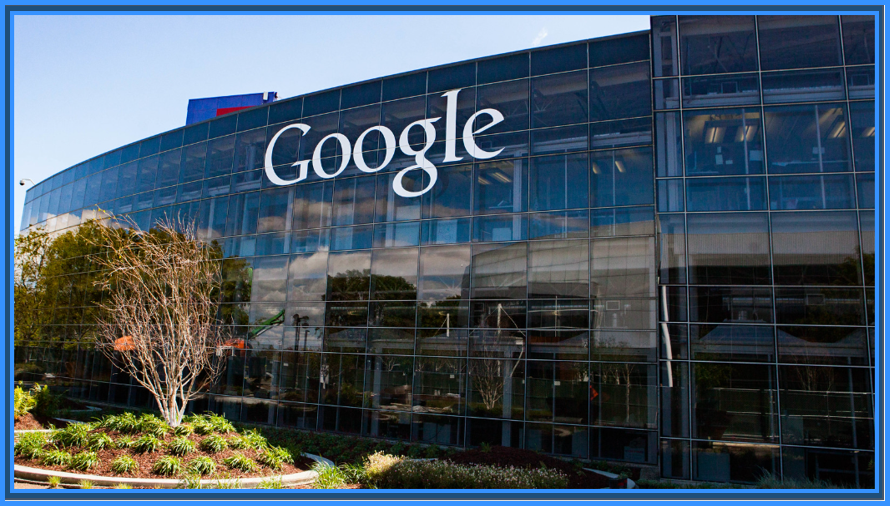
Google Headquarters Picture on Flickr by Anthony Quintano