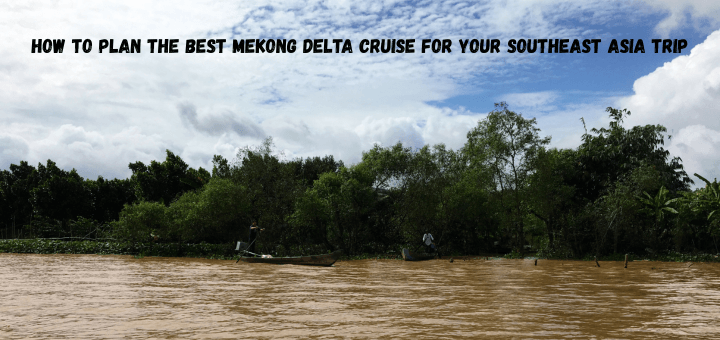
A Mekong Delta cruise offers one of the most immersive ways to explore Southeast Asia.
Calm waterways pass through lively floating markets, historic temples, and quiet riverside villages.
This region reveals centuries of culture across Vietnam and Cambodia, where daily life still revolves around the river.
Careful planning ensures a journey that blends comfort, cultural discovery, and scenic beauty.
Choose the Right Mekong Delta Cruise Experience
Selecting the best Mekong Delta cruise begins with careful evaluation of itinerary, ship design, and onboard experiences. A well-planned voyage allows travelers to explore the river’s culture without rushed schedules or crowded vessels.
Small expedition-style ships often provide deeper cultural access compared to large river vessels. Many luxury cruises along the Mekong host a limited number of guests, which creates a relaxed atmosphere and more personalized excursions.
Some vessels accommodate around 40 passengers and offer spacious suites with panoramic windows that reveal constant river views.
Modern cruise ships on this route combine cultural immersion with comfort. Spacious decks, curated dining programs, and wellness facilities enhance the journey while maintaining an intimate setting.
Decide the Ideal Travel Season to cruise down the Mekong

Seasonal changes influence river levels, scenery, and available routes. Careful timing improves the overall travel experience.
High Water Season
• August to November often brings higher water levels
• Ships travel longer routes between major destinations such as Ho Chi Minh City and Siem Reap
• Flooded forests and vibrant landscapes create dramatic scenery
Low Water Season
• December to mid-August allows voyages between Ho Chi Minh City and Phnom Penh
• Riverbanks reveal traditional farming villages and rice fields
•Excursions highlight daily life in the river communities
Both seasons present unique perspectives of the Mekong. Travel preferences and itinerary choices determine the ideal timing.
Cultural Excursions and Activities along the Mekong

A river voyage across the Mekong offers far more than scenic sailing. Cultural excursions allow guests to interact with local communities and explore historic landmarks.
Popular Experiences on the Mekong
• Visits to Buddhist temples and colonial landmarks
• Cycling through quiet rice field landscapes
• Exploration of floating villages and riverside markets
• Kayak excursions through smaller waterways
• Encounters with local artisans and traditional crafts
Guided outings usually occur twice per day and provide insight into regional traditions, history, and cuisine.
Expert guides often share stories of the Khmer Empire, Vietnamese culture, and the river’s economic role.
Review Onboard Comfort and Amenities on a Mekong Delta Cruise

The cruise vessel serves as both transportation and accommodation, which makes onboard comfort a key consideration. Boutique river ships often feature thoughtful design that enhances relaxation during long river passages, which often defines the experience of the best Mekong Delta cruise.
Suites commonly include floor-to-ceiling windows that display uninterrupted river views. Many ships include lounges, observation decks, small plunge pools, fitness rooms, and spa spaces. These features create a calm environment that balances adventure with comfort.
Cuisine often becomes a highlight of the journey. Some Mekong cruises present menus crafted by renowned chefs who draw inspiration from Cambodian and Vietnamese flavors. Seasonal ingredients from local markets frequently shape the onboard dining experience.
A Mekong Delta cruise reveals Southeast Asia through its rivers, traditions, and landscapes. Thoughtful planning helps create a journey that highlights culture, cuisine, and authentic local encounters.
The right itinerary, ideal travel season, and well-designed vessel shape a memorable river experience.
Carefully chosen cruises offer both comfort and discovery along one of Asia’s most fascinating waterways. With the right preparation, a voyage through the Mekong Delta becomes an unforgettable highlight of any Southeast Asia adventure.