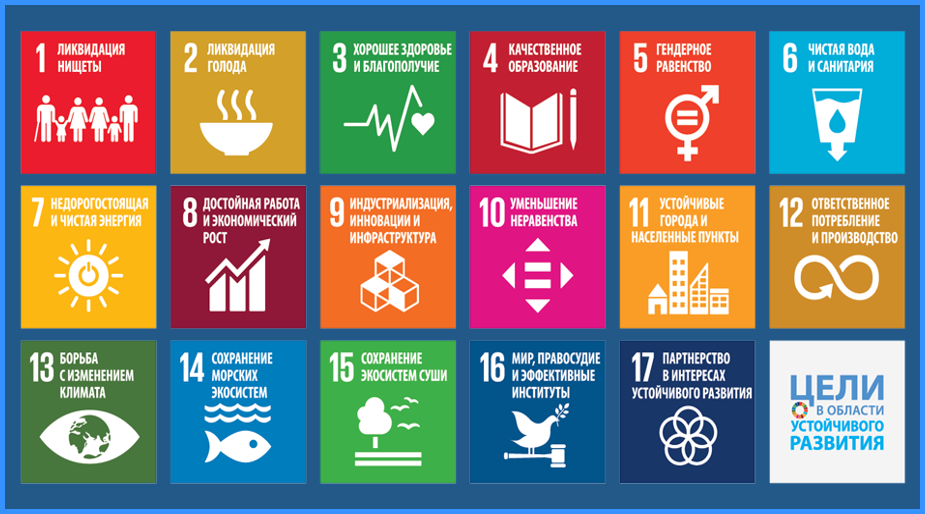
In 2015, the world pivoted toward a collective vision of the future. The United Nations’ Sustainable Development Goals (SDGs)—a suite of 17 interconnected objectives—were adopted by all 193 Member States as a “blueprint for peace and prosperity for people and the planet.” Now, passing the ten-year mark since their inception, the narrative of the SDGs is one of profound ambition meeting the hard friction of global reality.
The Blueprint: Rationale and Origin
The SDGs were not drafted in a vacuum. Born from the Rio+20 Summit in 2012, they were designed to succeed the Millennium Development Goals (MDGs), which focused primarily on poverty in developing nations. The rationale behind the SDGs was a radical shift toward universality: the recognition that sustainability is as much a challenge for London and New York as it is for Nairobi and Dhaka.
Formulated through the most inclusive consultation process in UN history—incorporating voices from over 7 million people via surveys—the goals are anchored in the “5 Ps”: People, Planet, Prosperity, Peace, and Partnership. They represent a systemic understanding that ending hunger (Goal 2) is impossible without addressing climate change (Goal 13) or gender equality (Goal 5).
________________________________
A Reality Check: Progress in 2026
As of early 2026, the global “report card” is a mix of incremental wins and alarming setbacks. While the 2030 deadline looms, the UN’s most recent assessments reveal a sobering truth: only about 18% of the SDG targets are currently on track.
The Successes: Significant strides have been made in digital connectivity and health. Global internet use reached approximately 68% by late 2024, and electricity access has expanded to 92% of the population. Maternal and child mortality rates have also seen a steady, albeit slow, decline.
The Regressions: Nearly one-fifth of the goals have actually regressed. Fueled by regional conflicts, the climate crisis, and the lingering economic scars of the early 2020s, extreme poverty and food insecurity are rising for the first time in decades.
________________________________
Awareness: From Classroom to Cubicle
The success of the SDGs relies heavily on “social ownership”—the degree to which the public and institutions embrace them.
Educational Institutions: Universities have become the primary engines of SDG awareness. Many, such as the University of Galway and various Nordic institutions, have integrated the goals into their strategic 2025–2030 plans. This “Living Lab” approach ensures students graduate not just with degrees, but with a literacy in sustainability.
The Workplace: The corporate sector has shifted from “greenwashing” to integration. In 2026, ESG (Environmental, Social, and Governance) reporting has become standard, with many firms aligning their KPIs with specific SDGs to attract investment and talent.
The General Public: Awareness remains a tale of two hemispheres. Research indicates that awareness is significantly higher in the Global South (surpassing 75% in countries like India and Vietnam) than in the Global North. In Europe and North America, the goals are often perceived as abstract high-level policy rather than a personal call to action.
The Path Forward
The remaining five years to 2030 are being termed the era of “urgent multilateralism.” The focus has shifted from mere awareness to transitioning systems—specifically in food, energy, and digital equity. While the 2030 targets may seem distant, the SDGs remain the only globally agreed-upon framework for a viable future. The question is no longer what the goals are, but whether the world possesses the political and social will to fund them.
Sustainable Development Goals Image by United Nations UNESCO on Wikimedia