Sexual violence by criminal groups is not new in Haiti: Human Rights Watch has documented how criminal groups have used widespread sexual violence in recent years to terrorize communities and assert control. However, the intensity and brutality of these attacks are worsening and, for those who survive, resources are increasingly scarce according to a new report by Médecins Sans Frontières (MSF).
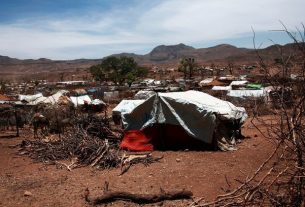
Since 2015, MSF has treated nearly 17,000 survivors at its Pran Men’m clinic in Port-au-Prince. Since 2022, the yearly number of survivors seeking care has roughly tripled. According to the report, criminal groups carry out most attacks, often involving multiple perpetrators, firearms, death threats, and sexual assaults committed during broader attacks on entire neighborhoods. Many survivors have also been attacked while forcibly displaced, living in makeshift sites where insecurity and the risk of further violence are constant.
What stands out in the report isn’t only the scale of the abuse, which remains largely underreported, but how few survivors can access health care and support quickly enough. MSF reports that most survivors face critical delays in accessing lifesaving care. Since 2022, 67 percent of survivors have arrived at Pran Men’m clinic more than three days after the assault, missing the window to receive HIV post-exposure prophylaxis and significantly increasing their risk of infection. Nearly 59 percent arrived after five days, losing the opportunity to access emergency contraception to prevent unwanted pregnancies.
Safe shelters are scarce, referrals to service providers often fail due to unstable funding, and service providers’ eligibility criteria frequently exclude survivors with more complex needs, such as pregnant women, women with children, or those requiring ongoing medical care, leaving them with few or no safe options. As a result, too many survivors are sent back into the very conditions that exposed them to violence in the first place.
MSF and Human Rights Watch have urged Haitian authorities to strengthen the health system and ensure timely, survivor-centered care, particularly in areas affected by criminal violence, and to ensure survivors’ access to justice and reparations. Given the massive cuts to humanitarian assistance by the United States and other major donors, which have had a global impact on health services, Haiti’s international partners should increase and stabilize funding for emergency health and protection services, including safe shelter. Acting now would reduce harm and help ensure survivors are not forced back to dangerous conditions.